Top 8 Time-Wasters for Interior Designers (Plus Solutions to Help!)

We all know someone who seems to have it all together, making us wonder, โ€œHow do you juggle it all?โ€ Meanwhile, many of us are constantly battling with time management, trying to split our days between work, loved ones, home responsibilities, and self-careโ€”while desperately seeking a bit of genuine downtime. Countless memes about this hit so close to home that you donโ€™t know whether to laugh or cry. While I canโ€™t offer the ultimate secret to balancing every aspect of your life, I can help you improve your workday to reclaim significant chunks of time that you can dedicate to whatever you choose. So, here it is the top 8 time-wasters for interior designers!

1. Not Tracking Time

Ever wonder where all your time goes? Without keeping tabs on your hours, itโ€™s tough to stay on track with your project time budgets.

Solution:

Tracking time is a two-fold job. First, set up proper tracking systems that categorize your work by project and task type. Apps like Toggl or Harvest can help you monitor how much time you spend on different tasks. Second, regularly review your time reports to ensure you're sticking to your time budgets. Donโ€™t have a time budget? Itโ€™s time to create one!

2. Poorly Defined Scope of Work

Scope creep can be a nightmare, whether itโ€™s because youโ€™re a perfectionist or because cheeky clients keep pushing the boundaries. Unplanned tasks can eat up your time and energy, turning a straightforward project into a never-ending saga.

Solution:

Clearly outline the scope of work in your proposals and contracts. Set boundaries and discuss them with your clients upfront. This way, everyone knows what to expect, and you can keep the project on track. Plus, having everything in writing makes it easier to handle any unexpected changes or requests.

3. Avoiding Project Management Tools

Sticking to outdated methods like Excel (no hate) doubles your workload and causes important details to slip through the cracks. More modern project management tools keep everything organized and easily accessible, freeing you from the chaos of scattered, unsynchronized notes and lists.

Solution:

Switch to project management platforms like Asana, Trello, or industry-specific tools like Studio Designer. These tools help you manage timelines, budgets, and communications all in one place. No more digging through infinite files and folders to find what youโ€™re looking for.

4. Endless Sourcing Time

Finding the perfect items is many designersโ€™ favorite part of the process, but it can also be a massive time drain. Without limits, you can easily spend hours hunting down that one perfect piece, leaving you behind on other important tasks.

Solution:

Set a time limit for sourcing each item and stick to it. Keep a well-organized vendor list thatโ€™s easy to search through, and build strong relationships with your suppliers for quick and efficient communication. This way, you can find what you need faster and move on to the next part of your project.

5. Waiting on Client Decisions

Refreshing your inbox, waiting for client feedback, and โ€œjust following upโ€ again and again halts your progress and messes up your schedule. Without clear deadlines, you might find yourself stuck in limbo, unable to move forward with your work.

Solution:

Give clients clear deadlines for their feedback from the get-go and make sure they agree to them. Explain how timely decisions are important for keeping the project on track and avoiding unnecessary delays.

6. Ineffective Delegation to Team Members

Not delegating effectively can lead to a pile-up of tasks and slow down your workflow. Whether youโ€™re avoiding outsourcing or not giving clear instructions, itโ€™s a big time-waster that leaves you doing (or not doing) everything yourself.

Solution:

Learn to delegate tasks properly. Give clear and complete information to your team members so they can work independently. This will free up your time for more important tasks and help you focus on the bigger picture. Remember, teamwork makes the dream work!

7. Branding & Marketing Analysis Paralysis

Spending too much time on branding and marketing decisions (the perfect font, the perfect song for your Instagram story) can leave you stuck, wasting time that could be better spent designing. Itโ€™s easy to get caught up in all the little details.

Solution:

Hire a pro to create your branding kit and develop social media templates for you. This will simplify your marketing efforts and give you a cohesive and professional brand presence without spending endless hours on it. Let the experts handle it so you can focus on what you do best. 

8. Not Using Templates

Creating documents from scratch each time is a hard no. Having branded templates saves you a ton of time and keeps things consistent. Plus, it means all your materials will look polished and professional.

Solution:

Develop a set of branded templates for all your documents, like client presentations, proposals, and contracts. This speeds up your workflow and has everything looking top-notch. Youโ€™ll spend less time formatting and more time focusing on your designs (or whatever you want!).

Can you relate to one or more of these time wasters? The good news is there are solutions, and by taking a moment to reflect on your time management, you might just find yourself with several extra hours each week. You've got this!

xx, Danae

How Location Can Influence Design Aesthetics

As an interior designer, you know each project comes with its unique set of challenges and opportunities. Whether you've recently moved your business across the country and are getting to know your new local landscape, or you're tackling projects in far-off places, it's easy to be surprised by the different demands and priorities that come with each location. From climate and culture to available materials and local lifestyles, letโ€™s chat about how different locations can shape your design approach.

Comfort by Climate

Climate impacts so many aspects of design, from materials to color schemes and room priorities. For instance, in hot and humid climates like the Southeast, using materials that resist moisture, such as treated woods, tile, and composite decking, can help prevent issues like mold and mildew. Ventilation systems and dehumidifiers are also key elements in these homes.

In contrast, dry, sunny areas like the Southwest might use UV-resistant materials to prevent fading and wear. Thermal mass materials such as adobe or stone are great for stabilizing indoor temperatures by absorbing heat during the day and releasing it at night.

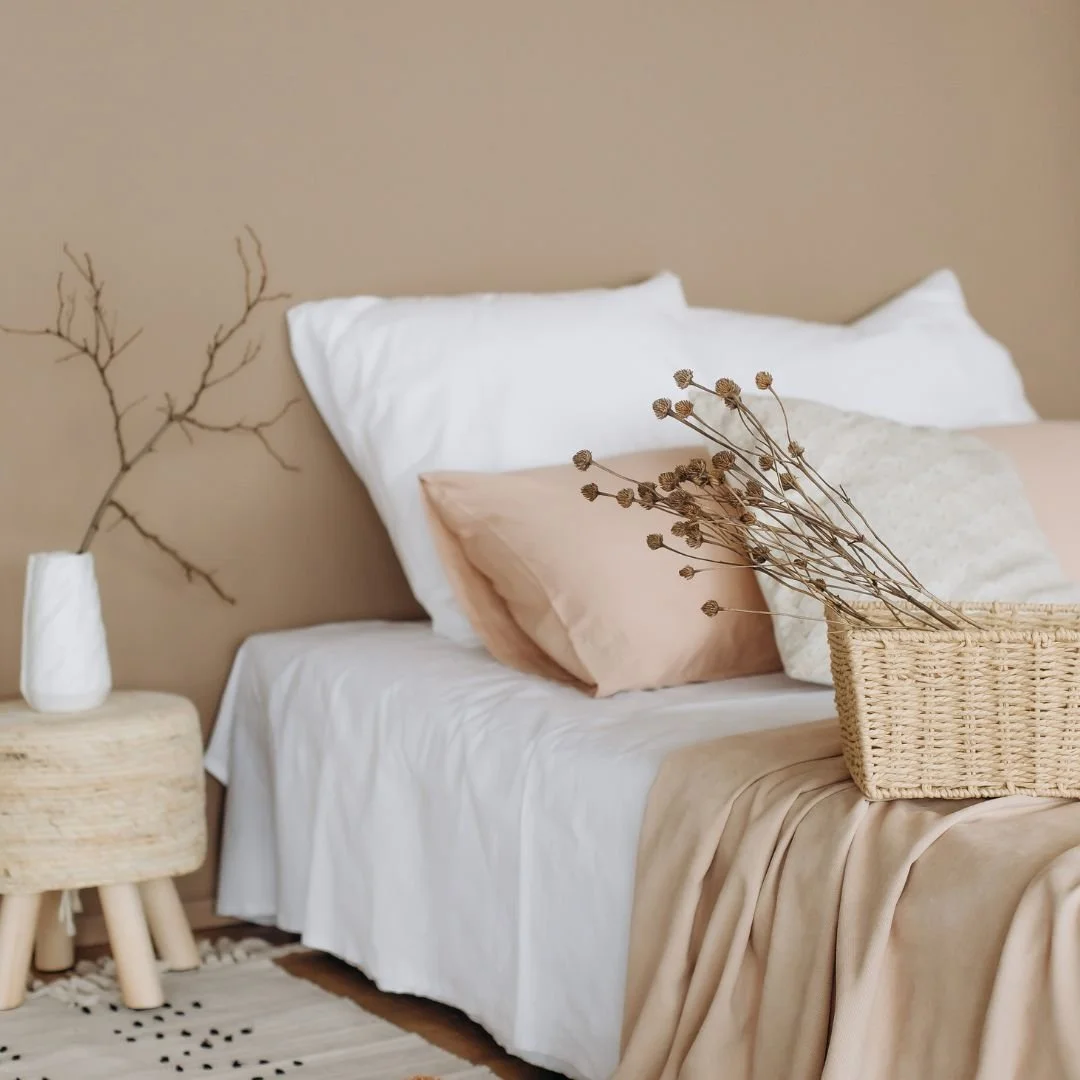
Color choices can also reflect the climate. In Scandinavia, for example, light colors are used to brighten up interiors during the long, dark winters. Soft whites, pastels, and natural woods can make spaces feel more open and cheerful.

Different climates also shift the focus to certain areas of the home. In warmer regions, outdoor living spaces like patios and gardens are often the highlight, complete with shaded areas and comfortable seating. In colder areas, a cozy sunroom or a spacious mudroom to handle snowy boots and coats can be more practical.

And of course, features like fireplaces, pools, and saunas are closely tied to climate. Fireplaces and wood stoves are beloved in colder climates, while pools and outdoor kitchens are big hits in warmer areas. Saunas, often associated with colder regions, can provide a comforting retreat from the chill.

Urban Trends vs. Rural Inspirations

Trends often start in big cities and then spread to smaller towns and rural areas. Cities are hotspots for innovation and cultural fusion, so theyโ€™re the first to adopt new styles. Think about the minimalist, industrial vibe of lofts in New York or the sleek, modern designs seen in Los Angeles โ€“ these trends catch on in metropolitan areas and gradually influence broader design aesthetics.

However, itโ€™s important to recognize that clients in more rural areas might not be ready to jump on certain urban design trends, and thatโ€™s perfectly fine. Rural clients often prefer designs that reflect their surroundings and lifestyles. Picture a quaint farmhouse in the Vermont countryside with rustic wooden beams and charming, cozy details. Or consider a coastal cottage in Maine, with its nautical themes, weathered wood, and breezy color schemes that mirror the seaside landscape. Understanding and respecting these preferences can help you create spaces that resonate with your clients.

Of course, these are just general trends. You can find people with all tastes and preferences in any location. Sometimes, clients want their home to feel like an escape, contrasting with the local environment. For example, a beach-themed house in the mountains can create a unique and personal retreat.

Lifestyle & Recreation

In places where outdoor activities like skiing, hiking, or fishing are popular, youโ€™ll often see these influences reflected indoors. A mountain lodge in Colorado, for example, might feature a lot of natural wood, stone fireplaces, and rustic decor elements that nod to the local way of life. Homes in these areas often have specialized spaces like ski rooms or gear storage areas to keep outdoor equipment organized and the main living spaces clutter-free.

In coastal areas, homes might have a nautical theme. Light, airy spaces with blues and whites, maritime decor, and plenty of natural light help blur the lines between indoor and outdoor living. Outdoor showers and spacious decks for sunbathing or dining are common features, perfect for enjoying the coastal lifestyle.

Recreational hobbies also shape interior design. A home in a golfing community might feature a stylish den with golf memorabilia, while a house near vineyards could have a dedicated wine-tasting room or cellar. In areas where horseback riding is popular, you might find mudrooms designed with equestrian gear in mind.

Cultural Touchstones

Cultural traditions and practices play a big role in shaping design aesthetics. In the US, regional influences can be seen across different areas. In the Southwest, for example, there's a rich blend of Native American and Mexican cultures. You might see vibrant colors, geometric patterns, and a mix of natural materials like leather, wood, and stone.

In the Southern states, you might find elements that reflect classic colonial architecture. This could include grand columns, expansive porches, and traditional furnishings that harken back to historical roots. 

In New England, historical influences often play a part in design choices, with Colonial and Federal-style elements like brick fireplaces, wood paneling, and antique furniture. This connection to the past adds depth and character to the homes.

Sometimes, cultural influences are imported. For example, low-to-the-ground Japanese-inspired dining or sleeping furniture can introduce a sense of tranquility and simplicity. Another example is the popularity of Moroccan-style poufs and lanterns, which bring an exotic, global flair to interiors.

Local Materials & Craftsmanship

The materials and craftsmanship available in a region can steer design choices. In the Pacific Northwest, for example, you have an abundance of beautiful wood like Douglas fir, cedar, and redwood. These materials are not only sustainable choices but also reflect the natural beauty of the region.

In the Southwest, adobe and clay tiles are common, offering excellent thermal properties suited to the hot, dry climate. These materials help create homes that are functional and visually harmonious with the local landscape.

In the Appalachian region, stone and reclaimed wood are often used, celebrating the rustic, earthy aesthetics of the area. Reclaimed barn wood can add a touch of history and personality to designs, making spaces feel warm and lived-in.

In urban centers like New York or Chicago, you might find more industrial materials such as steel, glass, and concrete being used creatively in loft conversions and modern apartments. These materials reflect the cityโ€™s architectural heritage and bring a sleek, contemporary feel to interiors.

What regional style or preferences differences have you noticed?

xx, Danae

Best Practices for Delegating Procurement to a Virtual Design Assistant

For busy interior designers, delegating procurement-related tasks to a Virtual Design Assistant (VDA) can be a total game-changer. While it might feel a bit daunting to hand over certain responsibilities, it's also a huge relief to unload that mental burden. Luckily, many VDAs are seasoned pros who specialize in procurement, handling everything from purchasing to invoicing and order tracking. They've successfully managed these aspects for countless designers, so you're in good hands. With a little upfront effort to onboard your VDA and align on your processes, you'll be set for smooth sailing. Hereโ€™s your guide to the best practices for outsourcing your procurement tasks to a VDA!

Software

Even if your VDA has experience with the platforms and project management software you use, every designer operates differently.

  • Walk-Through: Provide detailed training on how you use your software, highlighting specific features and customizations.

  • Provide a Manual: Delegation becomes much more streamlined when you have a manual document you can share and that your VDA can reference anytime.

Access to Accounts & Resources

To perform their tasks effectively, your VDA needs access to various accounts and resources.

  • Project Management Platforms: Grant access to your project management tools.

  • Trade Logins: Provide logins for supplier websites and trade accounts.

  • Cloud Folders: Share relevant cloud folders containing project information.

  • Documents: Provide access to your resale certificate, COI samples, and other necessary documents.

Processes & Protocols

Set clear expectations for processes and protocols so that nothing falls through the cracks, and to avoid duplicate work.

  • Responsibilities: Define who is responsible for each task, such as purchasing, creating and sending invoices, and client communication.

  • Task Frequency: Define how often tasks like order tracking and invoicing should be performed.

  • Templates: Provide templates for Purchase Orders (POs), invoices, and emails.

  • Markup Policies: Explain your markup policies, including percentages and applicable conditions.

  • Tax Information: Share necessary tax-related information.

  • Warehouse Coordination: Outline procedures for coordinating with receiving warehouses.

  • Payment Processes: Detail how payments should be handled and recorded.

  • Delivery Notifications: Establish protocols for notifying clients or receivers about deliveries.

  • Damage Protocols: Set procedures for reporting and addressing damaged goods. 

Communication

Establish the whoโ€™s, whatโ€™s, whenโ€™s, and howโ€™s of correspondence with all involved parties.

  • In-House Communication: Use a consistent method for sharing information within your team.

  • Vendor Communication: Set guidelines for how to communicate with vendors.

  • Client Communication: Define how to handle client interactions, including preferred methods and timing.

Project Briefing

Keep your VDA in the loop about each project by providing essential details.

  • Client Information: Share client names and contact information.

  • Addresses: Provide the projectโ€™s site address and accurate shipping addresses.

  • Project Timeline: Outline the project timeline and key milestones.

  • Communication Preferences: Note any specific communication preferences for the client.

Regular Check-ins

Regular meetings are key to maintaining an effective virtual working relationship.

  • Weekly Meetings: Schedule at least a 15-minute check-in each week to discuss progress and address any concerns.

  • Feedback Loop: Encourage open feedback to continually improve processes and collaboration.

Having well-defined processes will help both you and your VDA to work much more efficiently. Getting on the same page from the start makes all the difference when passing off the baton in the procurement phase of your projects. Then, enjoy the weight off your shoulders and focus on the creative aspects of your work!

xx, Danae

The Renaissance of Handcrafted Decor in Digital Times

It seems like the more immersed we find ourselves in extreme digitalization and artificial intelligence, the more we crave something a little more human. Isn't it fascinating how trends have their own counter-movements? Right now, amidst all the tech and automation, there's a growing love for the unique and the authentic in interior designโ€”pieces that express that invaluable human touch. And isn't that the true essence of luxury? Something rare and a bit hard to come by?

So, let's explore why, in an era dominated by 3D printing and AI-generated art, handcrafted decor is making a remarkable comeback in the world of interior design.

Authenticity and Craftsmanship

There's a growing appreciation for items that tell a story through their imperfections and unique characteristics. Handcrafted decor items are often made by skilled artisans who invest significant time and care into each piece, making every item distinct.

Sustainability

This trend also aligns with increasing environmental awareness. Handcrafted items are often made from natural, locally-sourced materials, which appeal to consumers looking to reduce their ecological footprint. The process of creating these items tends to be more environmentally friendly, avoiding the large-scale industrial processes that are typical of mass production.

Cultural Heritage and Revival

Many consumers are turning towards handcrafted decor as a way to preserve and celebrate cultural heritage. Artisans often use techniques passed down through generations, which not only helps keep these traditions alive but also provides a cultural richness to modern interiors.

Personalization

In a digital age where personal touch is often lost, having something made by hand offers a personal connection. Consumers can often customize these pieces more extensively than mass-produced goods, allowing for a more tailored and intimate interior design experience.

Integration with Modern Design

While there is a pivot towards handcrafting, this doesn't mean a complete departure from modern aesthetics. Instead, there's a fusion where handcrafted elements are incorporated into modern designs, creating spaces that feel both timeless and contemporary.

What are some popular handcrafted interior design elements?

  • Custom Wallpaper: Hand-painted or block-printed designs that add a unique touch to any room.

  • Artisanal Ceramics: Hand-thrown vases, bowls, and decorative pieces that bring earthy textures into the home.

  • Wooden or Stone Sculptures: Carved or sculpted by skilled artisans in any variety of styles.

  • Handmade Tiles: For backsplashes or flooring, each tile is uniquely crafted, often with traditional techniques.

  • Decorative Metalwork: Includes items like custom door handles, light fixtures, wall art, and railings.

  • Handwoven Textiles: Including throws, rugs, and tapestries, each with unique patterns and weaves.

  • Bespoke Furniture: Tailor-made furniture pieces, crafted to suit specific spaces and personal tastes.

Incorporating elements like these can transform any space into something more welcoming and personal, giving it that lived-in, cozy feel we all love. Beyond just aesthetics, these handcrafted pieces lend a sense of intention and uniqueness to your design, making every corner feel specially curated. So, why not bring some of this artisanal charm into your next project?

xx, Danae

10 Unexpected Details to Elevate Your Designs

When crafting unique spaces, the magic often lies in the details. Unexpected touches can transform a room and create an environment that feels intentional and remarkable. And if youโ€™re looking for fresh ideas that go beyond the standard fare, these 10 design detail ideas will definitely inspire you.


1. Unique Door Hardware

Door hardware isnโ€™t just about functionality; it sets the tone for a room. Introduce unique shapes, finishes, or textures that make door handles stand out. Whether you prefer vintage glass or sleek, modern lines, or even organic shapes, door handles can become a defining feature of any space.

2. Oversized Baseboards

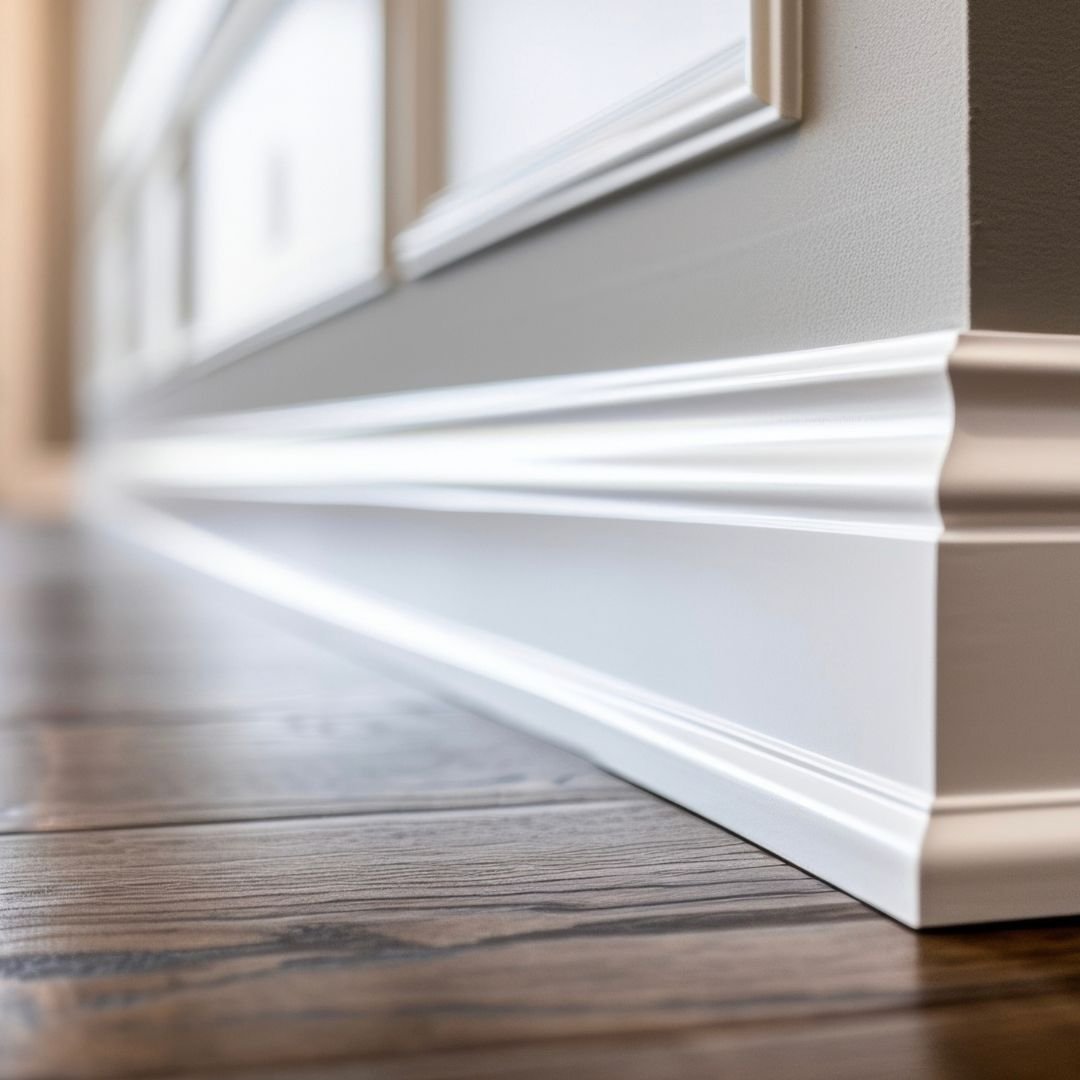
Say goodbye to skinny baseboards and embrace the bold beauty of oversized ones. Make them pop by choosing a striking paint color that contrasts with your walls. They not only ground a room but also elevate it to a whole new level. Plus, they look especially stunning in older homes, adding a charmingly authentic touch.

3. Beautiful Light Switch and Outlet Plates

Light switches and outlet plates are typically an afterthought, but elegant options can make them an integral part of a roomโ€™s aesthetic. Find ones that match or complement the chosen design style, whether the preference is for modern minimalism or something with a classic twist.


4. Decorative Air Vents

Vent covers can often feel like design obstacles, but with the right choice, they can become a lovely focal point. You could choose modern vents that blend in seamlessly, or embrace the opportunity for a beautiful design moment with decorative or custom grilles that reflect your personal taste.

5. Doorway Details

Arched doorways are beloved for good reason, but why stop there? Add molding or embellishments that highlight the curve, or bring in new architectural interest with beveled or paneled door frames. An elaborate doorway will draw people in like a warm invitation.

6. Custom Wallpaper

Wallpaper is back in a big way! For a truly unique look, go custom. Think about prints that reflect the personality of the homeowner, whether itโ€™s a lush botanical or a minimalist abstract pattern. Custom wallpaper can make your space feel luxurious and meaningful.


7. Mirrored Surfaces

Mirrors are a designer's secret weapon, bouncing light around and making spaces feel larger and brighter. Try a mirrored backsplash in the kitchen or mirrored panels behind your shelving to create depth and a luminous glow.

8. Painted Stairs

Stairs are often underappreciated, but they can be a playful canvas for creativity. Dare to be bold by painting them in dramatic colors or patterns. You could go for a striking ombre effect, geometric shapes, or a strong solid color that adds energy to this area of transit.

9. Stand-Out Fireplace Mantels

A custom mantel can anchor a room and provide a compelling focal point. Design a mantel that complements the roomโ€™s aesthetic, or source an antique mantel with historical character. A distinctive mantel can set the tone for the entire living area.


10. Ceiling Medallions

Ceiling medallions are a great way to draw attention to light fixtures. Choose ornate designs for traditional settings or streamlined versions for a more contemporary feel. Medallions add an extra layer of elegance and amplify the impact of a statement light.


These unexpected details offer a range of ways to elevate any space and create a memorable impact. Whether working on large-scale projects or more intimate rooms, these enhancements will help deliver thoughtful and distinctive interiors.

Which is your favorite?

xx, Danae

Top 10 Ways to Monetize Your Interior Design Business

I get it, full-service design projects are the stars of the show. But branching out a bit can boost your income more than you might think. Diversifying your revenue streams can make your online presence more dynamic and attract a broader range of clients. Plus, exploring new avenues can inject fresh creativity into your workday. Here are ten effective ways to monetize your interior design business:

1. Designer for a Day

Ideal for designers who enjoy quick, impactful projects.

Offer a โ€œDesigner for a Dayโ€ service where clients can hire you for a set time to provide professional guidance on their design choices. This approach is perfect for clients on a budget and can lead to larger projects in the futureโ€‹.

2. E-commerce Store

Great for designers with a knack for selecting unique products.

Launch an e-commerce store to sell curated home decor items, furniture, or your designs. This allows you to reach a global audience and generate revenue from product sales, leveraging your taste and expertise in home design.

3. Furniture or Fabric Line

Perfect for those wanting to establish their brand through product lines.

Collaborate with manufacturers to create your own line of furniture, textiles, or home accessories. This can provide continuous income and help set your brand apart in the competitive design marketโ€‹.

4. Publish a Book

Ideal for designers who enjoy writing and have valuable insights to share.

Writing a book about your design philosophy, tips, and experiences can establish you as an authority in the field. You can publish traditionally or self-publish an e-book to reach your audience. Bonus points if it can double as a beautiful coffee table book!

5. Holiday Decor Services

Great for those who love seasonal decorating.

Offer holiday decor services to clients who want their homes or offices to look festive. This service can be a fantastic source of income and a fun way to engage with clients during seasons that can sometimes otherwise be slower.

6. Virtual Interior Design (E-Design)

Perfect for tech-savvy designers and DIY-friendly clients.

Provide virtual design services where clients send photos and measurements, and you provide design concepts and recommendations. This flexible, scalable model allows you to reach clients far and wideโ€‹.

7. Interior Design Workshops

Ideal for designers who enjoy teaching and interacting with others.

Conduct workshops to teach design principles, space optimization, and color coordination. These can be held in-person or virtually, catering to different audiences from homeowners to aspiring designers.

8. Blogging and Social Media

Perfect for designers who love sharing ideas and engaging online.

Start a blog or a YouTube channel to share design tips, trends, and project showcases. Monetize through affiliate marketing, sponsored posts, and ad revenue. This requires consistent content creation but can significantly boost your visibility.

9. Digital Products

Ideal for designers looking to generate passive income.

Create and sell digital products like design templates, mood boards, and e-books. These can be sold on platforms like Etsy or your own website, reaching a wide audience with minimal ongoing effort.

10. Subscription Services

Great for maintaining ongoing client relationships.

Offer subscription-based services where clients pay a regular fee for continuous design support, updates, and seasonal refreshes. This model provides steady income and keeps clients engaged with your servicesโ€‹.

Implementing these strategies can help you explore new markets and boost your revenue streams. Choose the options that align best with your brand and expertise, and start diversifying your interior design business today!

xx, Danae

Get More Clients with Elite Marketing

Are you in the market for more clients? Iโ€™ve been hearing from a lot of designers that they are now focusing on their branding and marketing strategies, coming up with an ongoing process that allows them to have a consistent funnel of clients.

We have become well-known in the interior design industry, and while a lot of our clients are looking for assistance with the below, we ALSO offer a variety of marketing services!

Our Popular Services

  • 3d renders

  • drafting

  • construction docs

  • sourcing

  • administrative

  • online business management

  • bookkeeping

  • copywriting

  • social media

Our Marketing Services:

  • marketing strategy

  • branding

  • creating logos

  • web design (Squarespace, Wix, White Label WordPress)

  • graphic design

  • e-commerce

  • SEO

  • advertising

  • influencer marketing

Our virtual assistants have several years of experience with these services. We are noticing an increased demand for marketing services and the great news is, we can help! So, whether you are a new interior designer needing marketing and branding or an established designer who is rebranding and/or needs marketing assistance, please let us know.

We can get you in contact with one of our marketing experts for complimentary calls so that you can determine if our services are right for you!

For more information on those services and some of the experts on our team that offer these services, please see the portfolio section of our website with the link below.

 xx, Danae

Unwind by Design: Exploring the Role Interior Design Plays in Relaxation

Finding moments of relaxation in our hectic lives is essential for our well-being. As interior designers, we have a unique appreciation for the power a space has to influence our mood and mindset. Beyond creating visually stunning environments, we have the opportunity to design spaces that promote relaxation and comfort, allowing people to unwind and rejuvenate amidst the chaos of everyday life.

The Role of Design in Relaxation:

Designing for relaxation goes beyond aesthetics; it involves thoughtful consideration of layout, lighting, color, texture, and functionality. Each element plays a crucial role in creating an environment that fosters a sense of calm and serenity.

  • Creating Comfortable Retreats: One of the primary goals of interior design is to make spaces feel inviting and comfortable. This means selecting furniture, fabrics, and accessories that not only look beautiful but also feel great to the touch. Plush sofas, cozy throws, and soft pillows can transform a room into a sanctuary where you can unwind after a long day.

  • Harnessing the Power of Nature: Biophilic design, which incorporates elements of nature into the built environment, has been shown to reduce stress and improve overall well-being. Introducing natural materials such as wood, stone, and plants into your designs can evoke a sense of connection to the outdoors, helping to create a peaceful and grounding atmosphere.

  • Balancing Light and Shadow: Lighting plays a crucial role in setting the mood of a space. Soft, diffused lighting can create a warm and inviting ambiance, while gentle shadows can add depth and dimension. Incorporating dimmer switches, candles, and natural light sources allows for greater control over the lighting environment, enabling you to adjust it according to your mood and needs.

  • Promoting Flow and Movement: Clutter and congestion can disrupt the flow of energy within a space, leading to feelings of stress and unease. By designing rooms with clear pathways and functional layouts, you can promote a sense of harmony and relaxation. Thoughtful space planning and organization solutions ensure that each area of the home serves its purpose without overwhelming the senses.

The Importance of Mindful Design:

Mindfulness has gained widespread recognition as a powerful tool for managing stress and promoting mental well-being. Mindful design embraces the principles of mindfulness, encouraging us to approach the design process with intention, awareness, and compassion.

  • Sensory Design: Mindful design engages all the senses, creating spaces that not only look beautiful but also feel, sound, and even smell harmonious. Paying attention to how different materials, textures, and sounds interact can enhance the overall sensory experience and create a deeper connection to the space.

  • Embracing Simplicity: Minimalism is a key tenet of mindful design, advocating for simplicity, clarity, and purposefulness in our surroundings. By decluttering our homes and eliminating unnecessary distractions, we can create environments that promote calmness and clarity of mind.

  • Cultivating Gratitude: Mindful design encourages us to cultivate an attitude of gratitude for the spaces we inhabit. Taking the time to appreciate the beauty and functionality of our surroundings can foster a greater sense of contentment and fulfillment in our daily lives.

As interior designers, we have the privilege and responsibility to shape the environments in which people live, work, and play. By embracing the principles of relaxation and comfort in our designs, we can create spaces that not only delight the eye but also soothe the soul. Whether it's through the careful selection of materials, the thoughtful arrangement of furniture, or the incorporation of biophilic elements, each decision we make has the power to enhance the quality of life for those who inhabit our spaces. So, letโ€™s embrace the role interior design plays in promoting relaxation and comfort, and create environments that nurture and inspire us to unwind, rejuvenate, and thrive.

xx, Danae

5 Common Mistakes Interior Designer Make and How to Bounce Back From Them

Like any creative profession, the interior design business comes with a learning curve where trip-ups are just part of the journey. The truth is that so many designers have been there, so the important thing is to learn from our missteps, bounce back, and avoid them in the future. If youโ€™ve found yourself stumbling through some of these, donโ€™t worry! Hereโ€™s how to rebound from five typical interior design mistakes and set your practice up for smoother sailing.

1. Cutting into Your Earnings to Maximize Clientโ€™s Budget

Mistake: It can be tempting to lower your fees or choose cheaper solutions to stretch the clientโ€™s budget further, potentially at your own expense.

Bounce Back: You may be able to fairly mark up other lower ticket items at a higher percentage while remaining true to the agreed budget to compensate a bit. And if itโ€™s the client who keeps pushing boundaries, it might be time to sit down and revisit the budget and scope together. If youโ€™ve already taken a hit on a project, chalk it up to experience. Next time, factor in your desired markup right from the start, so you know the real budget you have to work with for client costsโ€“and stick to it!

2. Skimping on Quality

Mistake: Trying to save some pennies by choosing less expensive materials or furniture can end up disappointing your clients โ€” and they might need replacements sooner than expected.

Bounce Back: Take the time to chat with your clients about the value of paying a bit more for quality that lasts and looks fantastic long-term. Itโ€™s all about helping them understand that an investment now can save headaches later. Plus, setting a minimum quality standard for your projects will help you always source from reliable suppliers.

3. Not Tracking Your Time

Mistake: If youโ€™re not keeping an eye on how many hours youโ€™re pouring into a project, you might end up undercharging and overworking.

Bounce Back: Itโ€™s never too late to start! Begin tracking your time now, even if itโ€™s midway through a project. Begin with the basics, logging hours per project. As you get the hang of it, break your time down by task within each project. This not only helps with accurate billing but also gives you invaluable insights into managing your time more effectively.

4. Having a Short, Vague Contract

Mistake: A contract thatโ€™s too brief can leave too much up in the air, leading to miscommunications and project scope creeping out of control.

Bounce Back: If youโ€™re mid-project and things are getting muddled, try clarifying terms now โ€” many clients appreciate the initiative. For future projects, team up with a legal expert to craft a contract that covers all the bases clearly and comprehensively. This will keep both you and your client on the same page from the get-go.

5. Starting and Stopping Too Many Initiatives

Mistake: Youโ€™re trying to stay up to date with industry trends. But frequently changing business strategies or marketing efforts can result in wasted resources.

Bounce Back: Take a step back and evaluate whatโ€™s worked and what hasnโ€™t. Stick to one or two new strategies at a time and give them a chance to work before you tweak them. Crafting a solid, long-term business strategy and committing to it will help ensure your efforts are cohesive and impactful. Give each new marketing or business initiative enough time to show results.

Remember, each hiccup is a stepping stone to becoming a better designer, and things are only looking up from here. Keep up the fantastic workโ€”youโ€™ve totally got this!

xx, Danae

A Mini Morning Marketing Session for Interior Designers

Let's face it - marketing might not be your forte. It's tough to navigate the promotional world when your passion lies in creating beautiful spaces. Therefore, we wanted to take a little time this morning to share a few insights on easy ways to effectively market your design business and share some great resources and tools tailored specifically to help interior designers like you with marketing. Ready to dive in?

Building Your Portfolio:

Your portfolio is your visual resume and a great tool for attracting clients. Showcase your best work in a professionally curated portfolio that highlights your design aesthetic, creativity, and attention to detail. Invest in high-quality photography to capture your projects in their best light and consider creating a digital portfolio website to showcase your work online.

Helpful Tool: Maximizing Photoshoots for Interior Designers Mini Guide

This comprehensive guide provides insider tips and tricks for maximizing photoshoots and capturing stunning images of your interior design projects. From styling tips to camera settings to downloadable business forms you need when hiring photographers, this guide will help you showcase your work and create a portfolio that stands out from the crowd.

Increasing Social Media Presence:

Social media is a powerful marketing tool for interior designers. Use platforms like Instagram, Pinterest, and Houzz to share photos of your work, engage with followers, and connect with potential clients. Consistency is key, so aim to post regularly and use relevant hashtags to increase your visibility.

Helpful Tool: The Hashtag Handbook for Interior Designers

This handbook is your ultimate guide to mastering hashtags on social media. Learn how to choose the right hashtags to reach your target audience, increase engagement, and grow your following on platforms like Instagram and Pinterest. With these expert tips, you'll be able to elevate your social media presence and attract more clients to your interior design business. This handbook also includes over 300 industry-related hashtags! 

Utilizing Physical Promotional Items:

In addition to digital marketing, don't underestimate the power of physical promotional items to advertise your interior design business. Branded merchandise like tote bags, mugs, and notebooks can serve as stylish and functional marketing tools that help you stay in the front of your client's mind. 

Helpful Resource: Custom Promotional Items

We partner with a promotional item vendor that can find any items youโ€™re wanting to promote your interior design business. Whether you're looking for stylish tote bags to carry your design samples, chic mugs to gift to clients, or elegant notebooks for jotting down design ideas, we can find it! Follow the link below to take our Promotional Product Questionnaire to figure what items best fit your needs.

By investing a little time into your marketing and choosing helpful tools and resources that can streamline the process, you don't have to be an expert in marketing, you can continue pursuing your passion - designing beautiful spaces, you just get to show it off a little more. 

Happy Marketing! 

xx, Danae