
Is Virtual Interior Design the Future? (Spoiler: It's Already Here)
/Are you thinking about offering virtual design services? Or maybe you've already dipped your toe in but you're wondering if it's really worth building your whole studio around?

You're not alone — and honestly, the timing couldn't be better to figure this out.
The way interior designers work is shifting fast. Virtual design studios are no longer a niche experiment or a pandemic workaround. They're becoming a legitimate, thriving business model — and the designers who are embracing it are finding some pretty exciting things on the other side.
Let's talk about what's actually driving this shift, and what it could mean for your studio.
Your clients are already comfortable with it — are you?
Here's something worth sitting with: your clients are more open to virtual design than you might think.
The hesitation around "virtual" has faded significantly over the last few years. Clients who once wouldn't have considered working with a designer they hadn't met in person are now perfectly happy to do it — as long as the process feels professional, the communication is clear, and the results are good.
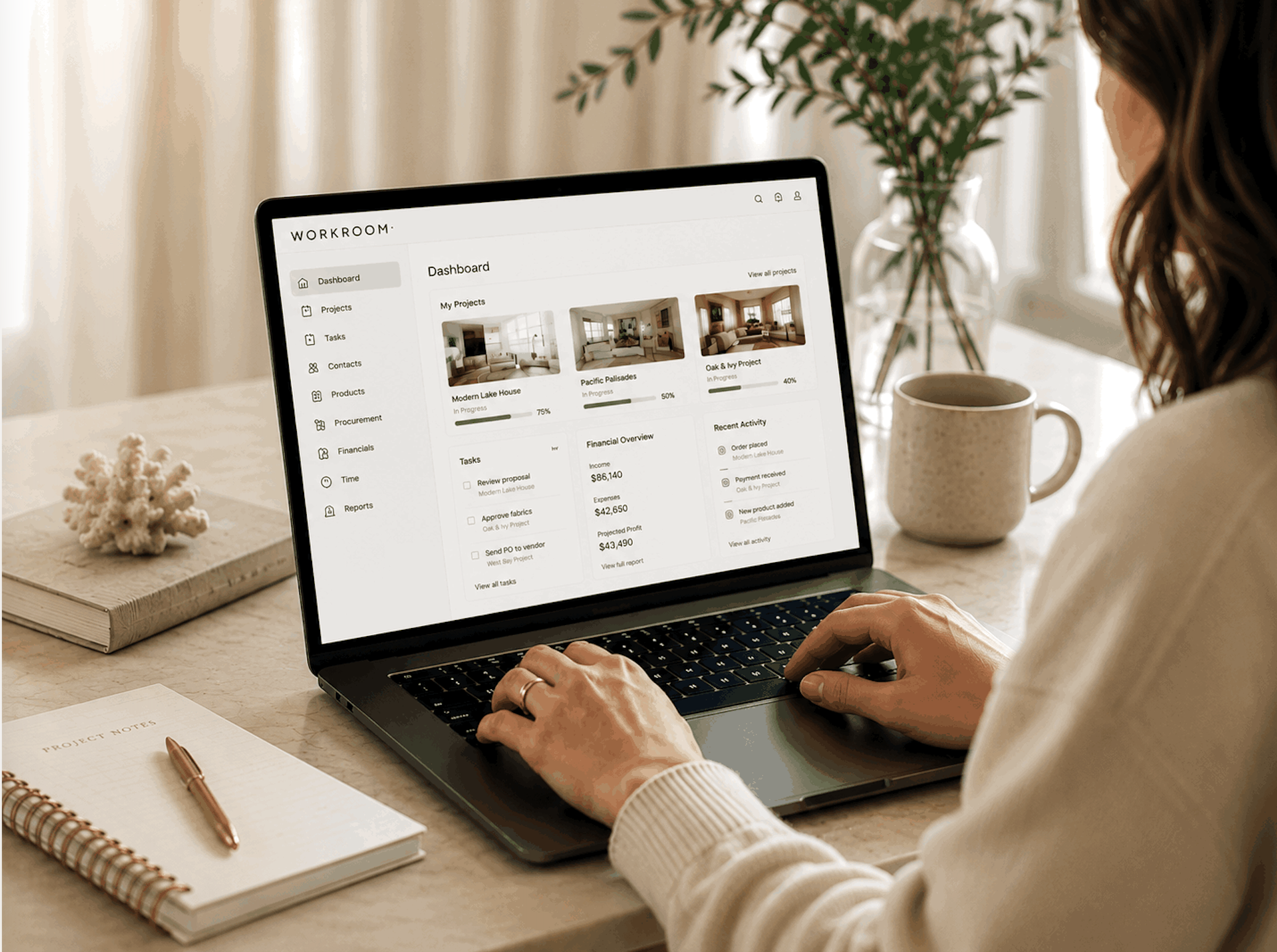
And on your end? The tools have genuinely caught up. Platforms like Studio Designer, Mydoma, and Ivy let you manage entire projects — client communication, procurement, timelines — all in one place, from anywhere. Combine that with 3D rendering and virtual walkthroughs, and you can deliver a presentation that's just as impressive (honestly, sometimes more so) than anything you'd do in person.
So the question isn't really can you work virtually. It's: are you setting yourself up to do it well?
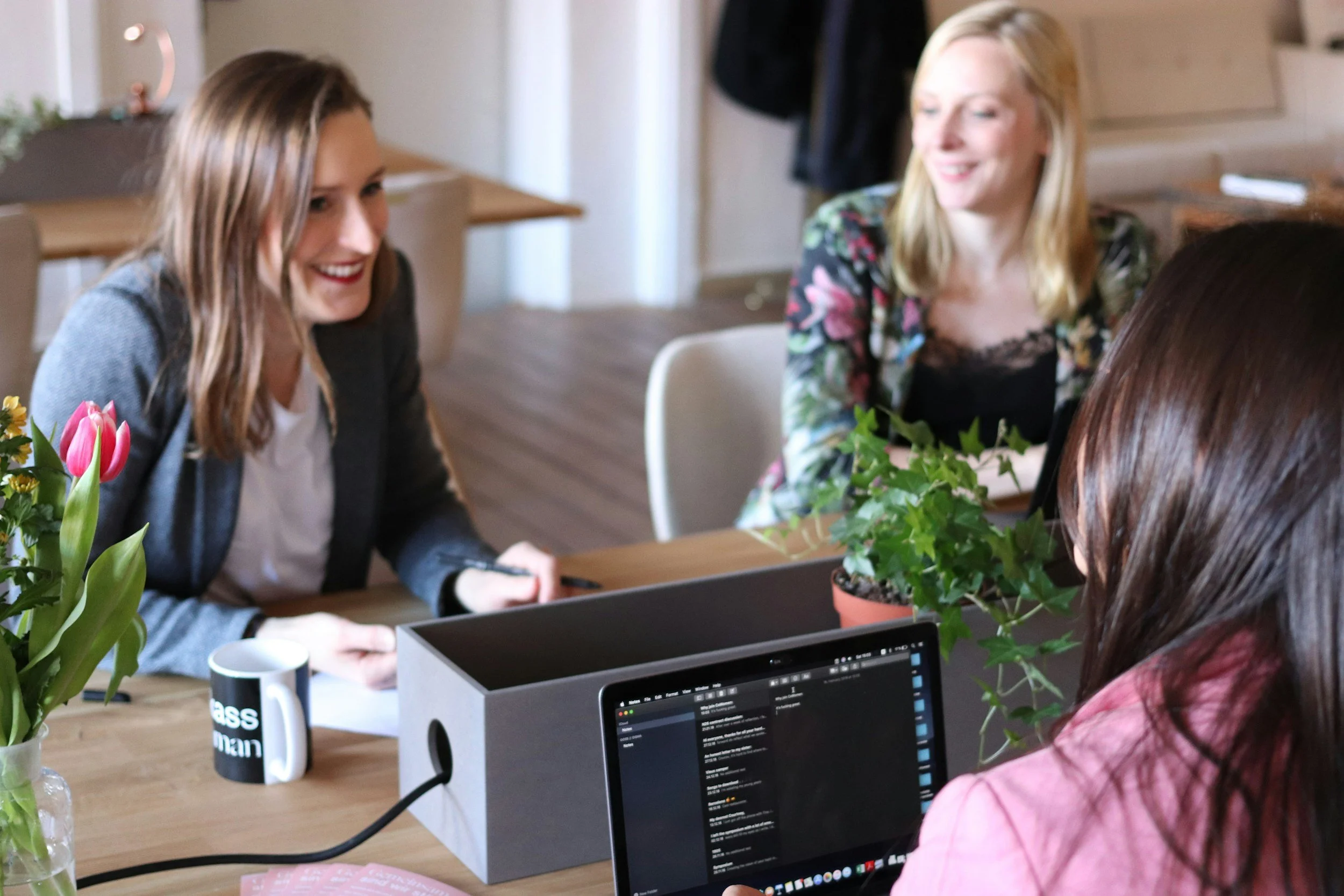
Going virtual means you're no longer limited by location — and that's a big deal
One of the biggest unlocks of the virtual model is this: you can work with clients anywhere.
Think about what that actually means for your business. Instead of being limited to your local market, your ideal clients could be anywhere in the country — or beyond. That opens up a whole different level of opportunity, especially if you have a specific niche or aesthetic that resonates with a particular type of client, regardless of where they live.
It also means you can be more intentional about the kinds of projects you take on. Rather than saying yes to everything local, you have the freedom to seek out the clients and projects that genuinely excite you.
The virtual model doesn't just expand your reach — it gives you more control over the direction of your business. And for a lot of designers, that's exactly what they've been looking for.

You don't have to build your virtual studio alone
One of the best-kept secrets of designers who are nailing the virtual model? They're not doing it all themselves.
A Virtual Design Assistant (VDA) is exactly what it sounds like — a trained design professional who works with your studio remotely, handling the tasks that eat up your time so you can focus on the work only you can do. Think drafting, 3D renders, sourcing, procurement, admin, client communication, social media — all of it can be delegated to someone who actually understands the design industry.
This is especially powerful in a virtual studio setup, because your VDA is already working the same way you are. There's no "getting them up to speed" on remote workflows — it's built into how they operate from day one.
The result? You get the flexibility and freedom of the virtual model, without carrying the entire operational weight of the business on your own. Your VDA handles the behind-the-scenes; you show up for the work that matters.
It's the kind of setup that makes growing your studio feel exciting rather than exhausting.
But here's the part we might not think about enough…
More flexibility doesn't automatically mean less on your plate.
Running a virtual studio could mean managing more — more platforms, more digital communication, more behind-the-scenes coordination. And if you're doing all of that yourself on top of the actual design work? It can get overwhelming fast.
The designers who are scaling successfully with the virtual model aren't doing it alone. They're building lean, flexible support systems — people who can handle the operational and administrative side of the business so they can stay in their zone of genius.
That's where a Virtual Design Assistant comes in. Whether it's drafting, sourcing, client communication, admin, or keeping your inbox under control — having the right support in place is what makes "going virtual" actually feel good, instead of just adding more to your list.
So — is the virtual model right for your studio? Only you can answer that. But if you've been curious about it, or if you're already there and just feeling stretched thin, it might be time to think about what support could look like for you.
We'd love to help you figure that out. Book a Discovery Call Today!