The Psychology of Interior Design: How Color, Layout, Scent, and More Shape the Way We Feel

The Psychology of Interior Design: How Color, Layout, Scent, and More Shape the Way We Feel

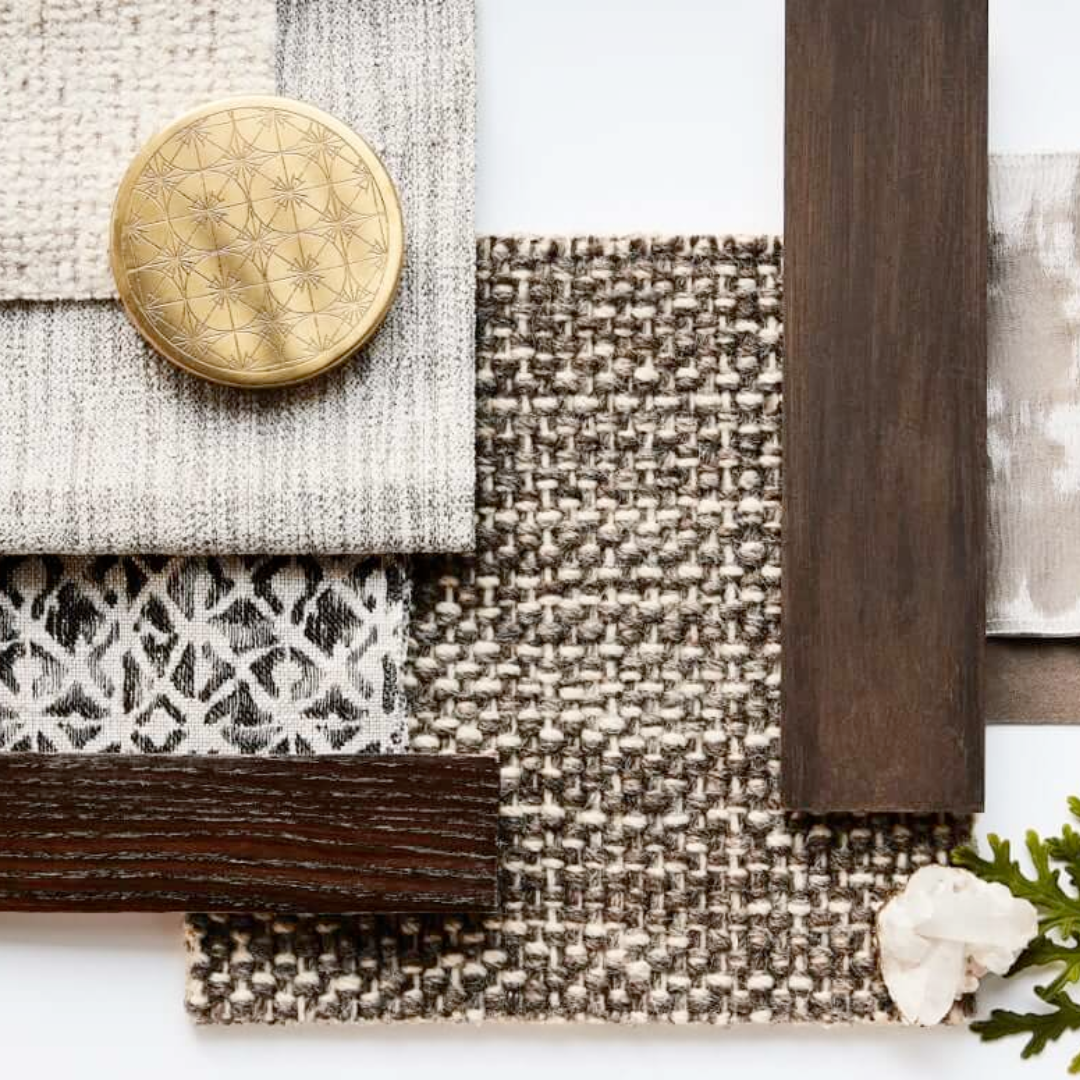
Interior design is so much more than arranging furniture or picking pretty colors. It’s a subtle science of shaping emotions, behaviors, and energy through the spaces we inhabit. Every design decision (from color palettes to furniture placement) communicates with our subconscious, influencing how we feel, think, and interact. For interior designers, understanding these psychological effects can elevate their work from merely beautiful to truly transformative.

Read More

The Elite Edit: Updates & Happenings at Elite Design Assistants

The Elite Edit: Updates & Happenings at Elite Design Assistants

We have some exciting news and updates happening here at Elite Design Assistants! Instead of sending multiple newsletters, I wanted to send you ONE called “The Elite Edit”! This newsletter will have a handful of exciting happenings going on in the industry and with Elite Design Assistants.

Read More

Are Open Floor Plans Over? The Quiet Shift Toward More Defined Spaces

Are Open Floor Plans Over? The Quiet Shift Toward More Defined Spaces

For years, the open floor plan has been the go-to layout for modern homes. The promise of an airy, spacious environment where the kitchen, living, and dining areas flow seamlessly into one another seemed to meet every need, from entertaining guests to creating a sense of connectivity and openness. But lately, there’s been a noticeable shift in the way homeowners and designers are approaching space planning. So, are open floor plans officially over? Or is this just a temporary change?

Read More

The Rise of the One-Room Makeover: Is the Full-Service Model Dying?

The Rise of the One-Room Makeover: Is the Full-Service Model Dying?

Interior design is always evolving, and one trend that’s been gaining serious momentum is the one-room makeover. More people are opting for quick, budget-friendly transformations one room at a time, instead of committing to full-house/space renovations. But what does this mean for interior designers? Is the traditional full-service model becoming outdated? Let's dive into the growing popularity of one-room makeovers and what it means for your design business.

Read More

The Renaissance of Handcrafted Decor in Digital Times

It seems like the more immersed we find ourselves in extreme digitalization and artificial intelligence, the more we crave something a little more human. Isn't it fascinating how trends have their own counter-movements? Right now, amidst all the tech and automation, there's a growing love for the unique and the authentic in interior design—pieces that express that invaluable human touch. And isn't that the true essence of luxury? Something rare and a bit hard to come by?

So, let's explore why, in an era dominated by 3D printing and AI-generated art, handcrafted decor is making a remarkable comeback in the world of interior design.

Authenticity and Craftsmanship

There's a growing appreciation for items that tell a story through their imperfections and unique characteristics. Handcrafted decor items are often made by skilled artisans who invest significant time and care into each piece, making every item distinct.

Sustainability

This trend also aligns with increasing environmental awareness. Handcrafted items are often made from natural, locally-sourced materials, which appeal to consumers looking to reduce their ecological footprint. The process of creating these items tends to be more environmentally friendly, avoiding the large-scale industrial processes that are typical of mass production.

Cultural Heritage and Revival

Many consumers are turning towards handcrafted decor as a way to preserve and celebrate cultural heritage. Artisans often use techniques passed down through generations, which not only helps keep these traditions alive but also provides a cultural richness to modern interiors.

Personalization

In a digital age where personal touch is often lost, having something made by hand offers a personal connection. Consumers can often customize these pieces more extensively than mass-produced goods, allowing for a more tailored and intimate interior design experience.

Integration with Modern Design

While there is a pivot towards handcrafting, this doesn't mean a complete departure from modern aesthetics. Instead, there's a fusion where handcrafted elements are incorporated into modern designs, creating spaces that feel both timeless and contemporary.

What are some popular handcrafted interior design elements?

  • Custom Wallpaper: Hand-painted or block-printed designs that add a unique touch to any room.

  • Artisanal Ceramics: Hand-thrown vases, bowls, and decorative pieces that bring earthy textures into the home.

  • Wooden or Stone Sculptures: Carved or sculpted by skilled artisans in any variety of styles.

  • Handmade Tiles: For backsplashes or flooring, each tile is uniquely crafted, often with traditional techniques.

  • Decorative Metalwork: Includes items like custom door handles, light fixtures, wall art, and railings.

  • Handwoven Textiles: Including throws, rugs, and tapestries, each with unique patterns and weaves.

  • Bespoke Furniture: Tailor-made furniture pieces, crafted to suit specific spaces and personal tastes.

Incorporating elements like these can transform any space into something more welcoming and personal, giving it that lived-in, cozy feel we all love. Beyond just aesthetics, these handcrafted pieces lend a sense of intention and uniqueness to your design, making every corner feel specially curated. So, why not bring some of this artisanal charm into your next project?

xx, Danae

6 Interior Design Risks Worth Taking

Do you tend to play it safe as an interior designer? That’s a fantastic quality to have in many situations. For example, you wouldn't dream of leaving budgets, timelines, or contract clauses up to chance. But growing your business and crafting outstanding designs means knowing when to stick to the rules and when to throw the playbook out the window. Here are six times it’s worth taking a risk, both in running your design business and your designs themselves.

On the Business Side

1. Specializing in a Niche Market

The prospect of narrowing your focus might initially seem counterintuitive, risking the alienation of a broader client base. But here’s the thing - carving out a niche for yourself actually helps you stand out to the perfect clients. Being known as the go-to person for, say, eco-friendly spaces or high-tech offices? That’s gold.

2. Charging for Consults

Asking for money right out the gate can feel awkward and awaken imposter syndrome. But this strategy serves a dual purpose. It underscores the value you bring to the table, ensuring clients are invested from the get-go, and sifts through to serious inquiries, saving you precious time and energy.

 3. Delegating to an Assistant

Letting go of the reins a bit and delegating doesn’t have to mean losing your vision in the mix. It means you get to focus more on design and less on the nitty-gritty. And who knows? An assistant might just bring fresh ideas and energy to the table.

In Your Designs

4. Incorporating Vintage Items

Sure, sticking to the latest trends from popular stores might seem like the safe choice, but sprinkling your designs with a few choice vintage pieces? That's where the magic happens, adding layers of depth and story to a space.

5. Unusual Color Combinations

Neutrals and played-out color combos feel safe, but throwing in an unexpected pop of color can turn a room from "just nice" to "wow". Think a splash of neon in a sea of pastels or a dark, moody wall in a room full of brights.

6. Mixing Patterns and Materials

Yes, there's a fine line between eclectic harmony and chaotic clashes when it comes to blending textures, patterns, and materials. But with a discerning eye, the combination of different woods, metals, fabrics, and more can create a sensory feast.

Taking Smart Risks

So, how do you dive into these risks without sinking? It all starts with having a solid base—like a well-oiled workflow—and then setting aside a little playground for creativity. Allocate a portion of each project's timeline just for trying out new things. This way, you're not running off course; you're exploring potential within reason. Getting your hands on physical samples and leveraging 3D renders lets you test-drive your daring ideas before going all in. And when you're eyeing those bigger business moves? Start small. Do a bit of research into the market, and maybe even chat with a business guru. It's all about smart risks that let your creativity—and your business—soar.

Ultimately, the essence of interior design thrives on creativity, innovation, and a touch of daring. While risks come with their own set of fears and potential setbacks, they also open doors to breakthroughs and professional wins. Maybe the question isn't whether you can afford to take these risks, but rather, can you afford not to?

xx, Danae
Should You Consider Creating a Design Build Firm?

In the ever-evolving landscape of interior design, the concept of a Design Build firm is gaining traction. This approach merges the traditionally separate disciplines of design and construction into a single, streamlined process. But is it the right move for every interior designer out there?

First, let's demystify what a Design Build firm is. Unlike the traditional approach where design and construction are handled by separate entities, a Design Build firm integrates these processes. The essence of a Design Build firm is about fostering a seamless, integrated process that enhances communication, streamlines workflows, and ultimately delivers a more unified vision for the project.

Now, why should you, as an interior designer, consider venturing into the Design Build game? Let's navigate through the pros and cons, and by the end, you just might see your path in a new light.

The Pros

  • Streamlined Communication: One of the standout benefits of a Design Build firm is the streamlined communication between the designer, contractor, and client. This synergy can significantly reduce misunderstandings and misinterpretations, ensuring a smoother project from start to finish.

  • Efficiency and Time Savings: With both design and construction teams working together from the get-go, projects can move more swiftly. Decisions are made faster, and there's a fluid transition from design to execution. This integrated approach often results in shorter project timelines and can lead to cost savings.

  • Enhanced Creativity: With a thorough understanding of the construction process, your design possibilities widen. You're not just designing within the constraints given to you but actively shaping those constraints. This knowledge can elevate your creativity to new heights.

  • Quality Control: Having a hand in both design and construction phases means more control over the outcome. This can lead to higher client satisfaction, as the final product closely aligns with the initial vision.

The Cons

  • Steep Learning Curve: If construction isn't your forte, there's a learning curve to consider. Understanding the intricacies of building processes, regulations, and materials is essential and can be daunting for some.

  • Increased Responsibility: With great power comes great responsibility. Managing both design and construction aspects means you're on the hook for more if things go south. It's a higher risk, higher reward scenario. 

  • Resource Intensive: Starting a Design Build firm requires more than just a vision; it demands resources. From skilled labor to licensing, the initial setup can be resource-intensive and requires careful planning.

Yes, there are hurdles, but the potential for innovation, control, and satisfaction in seeing your designs fully realized is unparalleled. So, should you consider creating a Design Build firm? If the idea of creating a Design Build firm sparks excitement rather than dread, here are a few strategies to consider:

  1. Education and Partnership: Before diving in, educate yourself about the construction industry. Consider partnerships or collaborations with construction professionals who share your vision and can bring the necessary expertise to the table.

  2. Build a Multidisciplinary Team: Assembling a team that includes both design and construction professionals can foster a collaborative culture and ensure that projects benefit from a diverse range of skills and perspectives.

  3. Focus on Communication: Establish clear communication channels and processes to facilitate the seamless flow of information between all team members and with clients. This is crucial for the success of the Design Build approach.

  4. Manage Risk Wisely: Consult with legal and insurance professionals to understand and mitigate the risks associated with construction. This includes ensuring that you have the appropriate contracts and insurance in place.

  5. Start Small and Scale: Consider starting with smaller, less complex projects to build your team's confidence and processes. This allows you to refine your approach before tackling larger, more complex projects.

Looking for a bit more industry wisdom to guide you? LuAnn Nigara, in her "Well Designed Business" podcast, hosted Brad Leavitt across several enlightening episodes (542, 560, 580, 615, 649), where they delve deep into the Design Build world. Leavitt shares insights that are gold for anyone considering this path. His experiences underscore the importance of clear communication, the art of managing client expectations, and the value of integrating design and construction from the get-go. These episodes are a treasure trove of knowledge, offering real-world perspectives on the Design Build process.

Whether your exciting next chapter means expanding into the Design Build arena or other ways of growth, we’re here to support your journey every step of the way!

xx, Danae

Join the Conversation: Bridging the Gaps in Interior Design Software

Whether you're a seasoned industry expert or a budding designer, the demand for comprehensive software solutions is on the rise. Despite the availability of numerous popular platforms, there persists a longing among interior designers for a system that bridges the functional gaps and takes their productivity to new heights. As an advocate for enhancing the industry, I believe it's time to initiate a meaningful conversation and identify the missing pieces. By doing so, we can inspire developers to bridge these gaps and create the ultimate all-in-one solution that seamlessly integrates project management and administrative features, meeting the common functional needs sought after by designers like you.

I invite you to explore this (surely incomplete) list of functions that I repeatedly hear designers seeking in a project management program. What would you add?

  • Task Tracking

  • Time Tracking

  • Procurement Tracking

  • Project Timeline & Milestones

  • Team Communication

  • Client Communication

  • Vendor Portfolio

  • Material & Product Library

  • Clipper Tool Extension

  • Design Resource Library

  • File Storage

  • Moodboard & Presentation Creation

  • 2D & 3D Drawing

  • Budget Tracking

  • Template Creation

  • Invoicing & Purchase Orders

  • Bookkeeping

  • Performance Analytics

  • Mobile App Compatibility

And to think these are just some of the many moving parts that designers juggle behind each beautiful project! Beyond these crucial functions, I often come across shared grievances from designers concerning the project management program they utilize. Do any of these hit close to home for you?

  • Poor User Interface (UI) Design

  • Limited Integration

  • Complexity and Learning Curve

  • Limited Collaboration and Communication Features

  • Insufficient Customization

  • High or Inflexible Pricing Plans

  • Unreliable Customer Support

Calling all the visionary minds shaping the industry! It’s time to share your thoughts on the improvements and features you would like to see in interior design software. If you would like to participate in our questionnaire, feel free to draw inspiration from the points above that ring true for you or add your own unique insights. We’d love to hear from you!

TAKE OUR BRIEF SOFTWARE QUESTIONNAIRE

We eagerly await your insights and thank you for being a part of this journey towards innovation and excellence in the interior design industry!

xx, Danae

Feel Joy, Balance, and Abundance in Your Business with The Interior Design Standard

As you know, Elite Design Assistants takes pride in providing helpful tips, information, and resources to you about the interior design industry that will help you succeed in running the most fulfilling and profitable business possible. That’s why we want to share The Interior Design Standard with you! 

It’s time to get your structure and mindset in place so that you can fully step into your confidence as an entrepreneur. The Interior Design Standard is the ONLY program that provides a turnkey business model for a wildly profitable design firm.  

The Interior Design Standard was created by Sandra Funk, CEO and Creative Director of House of Funk, a boutique interior design and renovation firm that has award-winning designs featured in publications such as Elle Décor, House Beautiful, The Huffington Post, Aspire Design and Home, and Luxe Interiors + Design. 

WHY IS THE INTERIOR DESIGN STANDARD FOR YOU?

With hundreds of designers saying the Standard has changed their lives, we wanted to break down why you should be looking at this program. It’s for you if…

  • You’re tired of all the different ways of doing business and you’re ready for ONE tried and true business model that both you and your clients will love. 

  • You’re stuck in the day-to-day tasks and lack the systems and processes to get your team running like a well-oiled machine while you’re out landing dream clients. 

  • You’re looking for a trusted advisor to give you the step-by-step process that’s been tested over a 20+ year career and by hundreds of designers. 

If any of the above resonates, The Interior Design Standard is for you!

WHAT’S INSIDE THE INTERIOR DESIGN STANDARD?

Delivered in a friendly digital format, this program enables you to digest and implement at your own pace because you have lifetime access! The program includes 6 modules showing you all the things you need to take your business from surviving to thriving. 

Modules Include: 

  • Module 1: Master the Tech to Catapult Ahead

  • Module 2: Confidently Price Your Services for Ideal Clients

  • Module 3: Attract & Land Ideal Clients

  • Module 4: Scale with Streamlined Processes

  • Module 5: Improve Your Buying Power & Trade Relationships

  • Module 6: Develop Your Dream Team

Editable process and contract templates along with live virtual community events, access to the ultimate design community: the Standard Inner Circle, and 4 expert lessons make this program AMAZING!

Expert Lessons Include: 

  • Budgeting for Profit with Peter Lang of the Designer CPA

  • Mindset Matters with Jordan Gill of Systems Saved Me

  • Closing the Sale with LuAnn Nigara of A Well-Designed Business

  • Automation for Success with Nicole Heymer of Glory & Brand

STILL THINKING ABOUT IT? 

Maybe you desire to work with fewer, larger projects, to break into your dream market, or to finally set up systems. Whatever your reason, if you’re determined to transform your firm into a thriving interior design business that will run so efficiently that you will have time to do what you love (the design part!), this program is for you! 

AN ELITE BONUS

Any NEW designer who signs up using my link will receive 5 FREE HOURS of Admin Services from Elite Design Assistants! Upon registering for The Interior Design Standard using our link, please email me at danae@elitedesignassistants.com to take advantage of this great deal!

The next Standard Session begins on September 24, 2023, and seats are limited to ensure a high-quality community experience!

Get joy, balance, and abundance in your interior design business by reserving your spot today!

RESERVE YOUR SPOT! 

As always, please feel free to reach out if you have questions!

Have a wonderful day! 

xx, Danae

A Deep Dive into StyleRow's Project Management Toolkit

I never miss a chance to discover emerging technologies and innovative software solutions for interior designers, that’s why I recently attended a demo for StyleRow. This platform caters to interior designers, home stagers, developers, and real estate investors, promising an integrated approach to project management that could solve common pain points and redefine your design process. I’m excited to share what I learned and let you see for yourself whether you think StyleRow could be the answer you’ve been looking for.

Connecting Teams, Clients, and Vendors

Communication is the cornerstone of design success, and StyleRow addresses this by providing distinct views for teams, clients, and vendors. This way, you can seamlessly manage task lists and maintain streamlined communication across multiple layers all within the platform.

Streamlined Team Workflow

StyleRow shines particularly brightly in team-based environments. Imagine a scenario where the lead designer compiles a list of required items, which then allows the design assistant to source each of these items seamlessly. This systematic process is meticulously tracked from inception to completion, with the platform sending timely notifications for any updates or revisions.

Centralized Product Information and Progress Tracking

Input all of the essential product information, from pricing to lead times, and keep track of its status with an easy drop-down menu instead of typing out notes each time. Additionally, the Team Messaging tool facilitates real-time progress updates among team members, fostering an environment of collaboration.

Mastering Organization

Simultaneously manage unlimited projects on StyleRow. Inside each project, categorized folders meticulously document every facet, ranging from initial inspiration photos and floorplans to sourcing endeavors. The platform even includes a clipping tool to save products from various vendor and retail sites, all of which can be stored in a master product library. Manage your time with its optional built-in time tracker.

Comprehensive Tools

You can forget about formatting and filling out spreadsheets and doing double work. This is a toolkit for managing every aspect of your projects, from crafting master shipment tracking lists and finish schedules to material schedules and even adding services such as painting.

Empowering Financial Management

StyleRow makes exporting data to Excel or presentation formats a breeze, while the platform's QuickBooks integration facilitates seamless creation of purchase orders and invoices. Moreover, StyleRow provides an embedded budgeting tool to conveniently track client budgets.

Client Dashboard for Enhanced Interaction

StyleRow enhances the client-designer relationship by providing an interactive client dashboard. This dashboard allows clients to view your proposals and sign off on budgets, orders, and more, all through a shared link. As a designer, you retain total control over the information presented, offering a tailored experience for your clients.

Visual and Functional Harmony

Last but not least, the platform is designed in an intuitive and aesthetically pleasing way, which is something that you, as an interior designer, will surely appreciate!

Affordable Pricing

With its wealth of tools and capabilities, StyleRow offers competitive pricing, catering to teams of up to 5 members at $49.99/month and individuals at $29/month or $299/annually.

If you’re curious to see more, check out their introductory video below, book a demo, or take advantage of their 14-day free trial!

xx, Danae