Planning Like a Pro: 6 Effective Tips for Organizing Your Editorial Calendar

If you're reading this, chances are you can understand the struggle all too well. It's the middle of the week, and you haven't managed to share anything on Instagram yet. On top of that, you have a backlog of content from site visits that you haven't had the chance to sift through. As an interior designer, “social media manager” can feel like yet another hat you have to wear... but fear not! By implementing a well-designed editorial calendar, you can bring order to the chaos and find your rhythm in no time. Let’s dive in.

An editorial calendar can be described as a comprehensive plan outlining specific themes, determining the content you'll post on designated days, and scheduling it well in advance, often spanning weeks or even months. This includes photos and videos for social media, newsletters, blog content, and anything else you share online. So, how can you make the most of it?

1. Use an Effective Platform

You may already be using project management software or programs that you could also use for creating your editorial calendar. Incorporate your content into your workspace scope. Asana, Trello, and Monday.com are just a few popular options.

2. Keep Your Files Together

Even if you don’t have time to sort through all your photos and videos the same day, take 3 minutes to do a content dump to a sub-folder, within your master content folder. Name it in a way that allows you to find it easily in the future (e.g. Paint Sample Site Visit).

3. Block Out Your Planning Time

Instead of scrambling to create content in short, stressful bursts, schedule regular time, such as once every two weeks, to sit down and consider your current marketing strategy along with your firm's latest highlights. Map out a plan for the next month and generate ideas for the following months.

4. Set Notifications and Reminders

Having a plan is great, but it can easily slip your mind. Set scheduled reminders to post your content. Some project management platforms integrate with social media management tools, enabling you to schedule and publish posts directly from the platform. Aim to post during high-traffic hours, and keep an eye on the times that tend to be most successful for you.

5. Alternate Types of Content

To keep things fresh and interesting, alternate between different types of content. Include behind-the-scenes progress photos, day-in-the-life reels, images related to your blog posts, seasonal posts, and high-quality portfolio shots. Ensure that everything aligns with your brand identity and aesthetic. Maintain a master timeline of content topics to have a quick overview of your posting history.

6. Outsource

You actually don’t have to do all of this on your own. Conceiving all the ideas behind your content can be time-consuming, yet maintaining an online presence is crucial. Consider meeting with a Virtual Design Assistant to brief them on your brand identity and voice. They can take a lot of the work off your plate, so you can spend more time actually designing!

By calmly curating your content themes and setting a realistic posting frequency, you can ensure a steady flow of captivating posts that resonate with your target audience. Don't be afraid to collaborate with guest contributors and align your content with key events to further enhance your online presence. And remember, a content bank is your best friend for storing and organizing ideas. So, get planning and watch your interior design brand flourish in the online realm!

xx, Danae


DIGITAL TEMPLATES?

We love helping busy interior designers like you! So, in an effort to provide the best resources possible, WE WANT TO HEAR FROM YOU about what templates you’d like to see from us. Browse our current collection of templates here for any you might need or want, and email us at danae@elitedesignassistants.com to let us know what other templates you’d like us to make and have available for instant download! 

Six Simple Ways to Add Self-Care into Your Workday

On some work days, you may find you just don’t have any time left for yourself. You had wanted to prepare a wholesome meal or hit the gym, but they got pushed to the back burner. And at the end of the day, you’re feeling neglected…by yourself. Sound familiar?

I propose a different approach. Why not focus on implementing small-scale actions that can seamlessly integrate into your day, rather than viewing self-care as a separate task that can be postponed or shuffled aside? By incorporating even a single intentional act of self-care into your daily routine, you can steer yourself toward a greater sense of well-being. Besides, if you’re feeling better, your business will be in better hands.

In that spirit, here are 6 examples of little ways you can add some self-care into your work day, starting today.

Take Real Breaks

Instead of mindlessly getting caught up in phone scrolling as a means of escaping stress throughout the day, grant yourself the gift of a genuine break. Set a time limit, allowing yourself to fully detach from work without any guilt. Use this time for activities that replenish your energy and promote well-being, such as taking a brisk walk, indulging in stretching exercises, reflecting through journaling, repeating affirmations, or simply savoring a refreshing glass of water while consciously relaxing your breath. These micro-breaks can boost your energy levels, improve focus, and reduce mental fatigue.

Set the Mood

As interior designers, you’re a pro at making other people’s spaces beautiful, but in all the chaos, your own workspace might be missing out on that TLC. Bring one or two small details that bring you joy into your workspace, like a scented candle or plant. Evaluate whether your setup is ergonomic and comfortable for you. Buy that cute stone mug that you’ll be reaching for throughout the day. Your workspace should reflect your personal style and be a source of inspiration and tranquility as you work your magic.

Engage in Mindful Eating

It's common for professionals to eat lunch at their desks while multitasking. However, practicing mindful eating can bring a sense of calm and enjoyment to your workday. Take the time to savor your meals, focusing on the flavors, textures, and aromas. Eating mindfully not only promotes better digestion but by paying attention to your body's needs and nourishing yourself with nutritious meals, you'll feel more energized and ready to tackle your design projects. 

Establish Necessary Boundaries

Getting into the habit of setting healthy boundaries with clients and colleagues is a transformative practice that can shield you from unnecessary stress and conserve your valuable time and energy. By recognizing and asserting your boundaries, you regain control over how your projects unfold, striking a balance between taking charge and accepting the elements beyond your control. This shift in mindset enables you to operate from a place of peace and empowerment.

Express Appreciation

In the whirlwind of the workday, it's easy to get caught up in the relentless cycle of tasks and responsibilities. But it’s so worth it to pause and acknowledge both your personal accomplishments and those of your team. Let yourself bask in the satisfaction and say, "Yes! I nailed it!" Go out of your way to recognize and appreciate the outstanding work of your team members. By cultivating this positive atmosphere, you're nurturing yourself and those around you, fostering a space where you can thrive.

Follow an EOD Routine

Allocate the final 10 minutes of your workday to check off tasks and review your agenda for the following day. By following this ritual, you can ensure that everything is in order and gain a sense of accomplishment. Being clear on what awaits you the next day provides peace of mind and allows for a genuine disconnection from work. Rather than constantly wondering if you overlooked something important, you can truly relax and enjoy your time away from the office.

Remember, self-care is not a luxury; it's a vital ingredient for your overall well-being and success. By incorporating these small acts of self-care into your workday, you are taking proactive steps to prioritize your needs and nurture yourself. So, starting today, make a commitment to infuse your day with moments of self-care. You deserve it, and your professional journey will thrive as a result.

 xx, Danae


DIGITAL TEMPLATES?

We love helping busy interior designers like you! So, in an effort to provide the best resources possible, WE WANT TO HEAR FROM YOU about what templates you’d like to see from us. Browse our current collection of templates here for any you might need or want, and email us at danae@elitedesignassistants.com to let us know what other templates you’d like us to make and have available for instant download! 

Earn More by Working Less with Passive Investing in Private Lending


It’s time to start converting your income to PASSIVE INCOME with Double-Digit Returns!

In a world where time is the most valuable asset I think it’s time we start taking some of that time back! Those of us that have been very fortunate to be successful in our businesses know that it typically comes with a price and that price is time. In our current climate, we’ve found ourselves busier than ever and often wonder how much longer we can continue at this pace. I’ve spent the last several years listening to my clients and listening to myself and so NOW I am starting an initiative to educate women on how we can start taking back some of our time.

With my background in real estate, the financial industry, and interior design it made complete sense to me that passively investing in real estate would be something that I could educate others on. After a few years of research and constantly finding real estate gurus talking about creating passive income by purchasing short-term rentals and other real estate I realized I did not want to become a landlord. I wanted to find a way where my money could work hard for me, where I didn’t have to do any of the work. That is where I discovered private lending in real estate.

Private lending is where you lend funds to another real estate investor who is purchasing deals for fix and flips, multi-family, buy and holds, short-term rentals, etc. You provide the capital, and they do all the work. We focus on shorter-term deals around 6 to 12-month deals with double-digit returns, but we do get larger-scale deals that are just too good to pass up as well. Our clients get to sit back, relax and invest in real estate that is protected, insured, and secured.

My mission is to help people take control of their finances and their lives. You’ve worked hard, you deserve to be able to find a way to make your money work hard for you and I’ve got the tools to help you!

Not only am I educating people on private money lending, we now have investment opportunities and I have access to a lot of opportunities based on your goals.

If you want to learn more about our opportunities, please sign up for our newsletter at  Passive Investing — Elite Design Assistants. Also, please feel free to reply to this email with any questions.

Let’s make more money by working less! Are you in?

xx, Danae


DIGITAL TEMPLATES?

We love helping busy interior designers like you! So, in an effort to provide the best resources possible, WE WANT TO HEAR FROM YOU about what templates you’d like to see from us. Browse our current collection of templates here for any you might need or want, and email us at danae@elitedesignassistants.com to let us know what other templates you’d like us to make and have available for instant download! 

Passive Income for Interior Designers: Design Workbooks

There are always going to be homeowners that prefer to take the DIY approach, whether that is for financial reasons or because they enjoy the challenge. While it may seem unlikely that they will reach out to purchase a service that an interior designer offers, there are other ways to help them with their project. Interior designers are catering to these types of homeowners by creating design workbooks. In this blog post, we will cover how to create a design workbook and how it benefits both the designer and the homeowner.

Define Your Design Process

Creating a clear, easy-to-follow workbook for how an interior designer starts and executes the design process is a great tool for the DIY-er. You can include customizable printables or downloads to boost the quality of your workbook. Include tips and tricks that you’ve learned through your interior design experience that someone who isn’t in the field wouldn’t know.

Optional: Choose a Niche

A general guide to start a DIY interior project is already an amazing tool, but you can take it one step further and create several workbooks for different niches. Here are some examples:

  • A Minimalism Workbook

  • A Guide For Creating A Feng Shui Bedroom

  • Work From Home Workbook

  • Picking a Paint Color Workbook

A great way to come up with different niches for your workbooks is by thinking of challenges you have had to tackle for clients and how you solved them for them.

Create Your Workbook

Creating a beautiful, clear workbook is key to marketing your product. Programs like Canva or Adobe Illustrator are a great place to start when creating workbook guides. This is also a task that can be outsourced to a VDA who has experience with these programs.

Get Ready to Sell

If you have an online shop on your website and you get a lot of traffic, this is a great place to store your workbook. You can also consider opening an Etsy or Shopify shop, especially if you want to sell multiple workbooks.

Market Your Workbook

Promote your workbook everywhere you can, whether that is on social media or on Facebook groups. If you have a newsletter be sure to mention that you have the workbook available for DIY-ers so that people who love your brand but prefer to do it themselves don’t miss out on your expert advice!

Go the Extra Mile

If you’re comfortable in front of the camera, or doing a voice-over video, creating a video on how to use your workbook is a great extra effort that could really make a difference to clients.

Although DIY-ers are not likely to purchase a service that you offer, they may still be following you on social media to get inspiration for their designs. Workbooks are a great way to bridge that gap between you and clients who want to do it themselves.

Happy Earning!

xx, Danae

Passive Income for Interior Designers: Online Shop

In this blog post, we'll explore how interior designers can leverage platforms like Etsy, Shopify, or their own websites to open an online shop and create a lucrative passive income stream.

Identify Your Niche

Define your niche within the interior design industry. Instead of trying to cater to every audience, it’s important to find who your clients are and what about you resonates with them. Successful online shop owner Sydney Brisco, from justahomeowner.com brilliantly says, “There is a lot of competition for almost every aspect of starting an online shop as an interior designer. You need to remember that your opinions, your voice, and your style will speak to a specific group of people and not be discouraged. Find what makes you and your style unique and don't be afraid to own it.”

Create Exceptional Products

Whether it's handy printables, fun artwork, or home decor accessories, the key is to create items that captivate your customers and reflect your design style. Keep your chosen niche and audience in mind as you create your products. You can start by brainstorming about pieces that clients have loved or how a handy spreadsheet could benefit a client trying to make design decisions on their own. Take inspiration from your own projects and experience.

Professional Presentation

In an online shop, visuals are everything. Invest time and effort into capturing high-quality product photographs or creating realistic mockups that showcase your creations at their best. Presenting your products in a professional and eye-catching way can make your products more appealing to potential buyers. And don't forget to write informative descriptions that are search engine optimized to make sure that shoppers can find your products!

Set Up Shop

You can use a platform like Etsy or Shopify to host your online shop or many website builders like Wix and WordPress will allow you to add a shop to your website, which may be beneficial if your website gets a lot of traffic. This is one of the biggest steps, as you can’t sell anything without a shop. Sydney wisely adds, “The biggest hurdle to opening a shop is waiting for everything to be perfect. Especially for interior designers (let's be honest, most of us are perfectionists) we don't feel right publishing something that isn't 100% done. But if you wait for perfection, you'll never open. And once you open your shop, your view on perfection will change anyway. Once your product is at 80% perfect, publish it so that you can start learning and honing your skills to make your shop better and develop your product better.”

Marketing Matters

Promote your shop wherever you can, especially on social media. From Sydney’s experience, “your marketing will really depend on your platform. If you are on Etsy or Pinterest, for example, your best bet is to market with the platform's ads. But if you are growing your shop on your own site, Google ads can be tremendous. Also, don't forget to look at social media. There are several Facebook groups for design and home improvement with varying levels of allowing ads. Always ask before submitting an ad because it's more likely to not only get accepted but boosted by the moderators of the group. You can also develop a following on Instagram if you are good at taking pictures of your process. And "how to" design videos on YouTube are a great opportunity for designers to grow their base and their following.”

Excellent Customer Service

Excellent customer service is what keeps customers coming back. By promptly responding to inquiries, addressing customer concerns, and processing orders efficiently, you will build customers’ trust and improve their shopping experience, making them more likely to recommend and return to your shop. Build trust and loyalty by going above and beyond to ensure your customers feel valued and cared for.

Remember, success in the online world requires dedication, consistent effort, and a focus on delivering exceptional products and customer experiences. By utilizing the power of branding, marketing, and phenomenal customer service you can successfully stand out online and create a thriving shop to generate passive income for your business.

Thank you to Sydney Brisco at www.justahomeowner.com for contributing to this blog post. You can check out her online shop here - https://www.etsy.com/shop/JustAHomeowner

xx, Danae

Setting Boundaries with Your Interior Design Clients: Myths and Strategies

You’re friendly, you’re responsive, and you show up for your clients. As an interior designer, these are all fantastic qualities that have likely helped you develop strong relationships with your clients. However, without proper boundaries, you may find yourself experiencing scope creep and burnout. Fortunately, there are ways to set boundaries with your clients that will ultimately benefit both you and your business. Let's explore some common myths and counterstrategies below.

Myth: You need to be available to your clients 24/7.

Reality: One of the most important boundaries to establish is how and when you can be reached. Clearly define acceptable channels of communication and schedules, and share these guidelines during the initial consultation. For example, you may want to limit written communication to email or schedule weekly check-ins via phone or video chat. Be sure to establish clear expectations and put them in writing as part of the contract. When laying out your limits, frame them in a positive way. Instead of saying, "Do NOT contact me via text message," you could say, "Our team will be happy to receive your questions via email and offer updates during our weekly check-ins."

Myth: Reasonable clients know better than to call on weekends or ask for extra favors.

Reality: While your clients are probably reasonable people, they may not be familiar with the interior design process. As such, it's your job to educate them about your policies and procedures. Don't assume that certain expectations are obvious; be explicit about them from the beginning of the project. For example, if you charge extra for revisions or changes beyond a certain point, make sure this is communicated in writing and discussed before any work begins. By stating the obvious, you can avoid misunderstandings and help your clients feel more secure about the project.

Myth: If a client makes a request outside of the agreed-upon scope, you should say no.

Reality: Well, it’s important to clarify that you can say no, especially if you don't have the capacity or desire to take on additional tasks or revisions. But can you offer a realistic alternative that works for everyone? Can you outsource certain tasks so you’re not overwhelmed by the added workload? If so, instead of simply saying no, try saying, "Yes, we can do that! However, that task falls outside of the agreed-upon scope and will come with an hourly charge. Shall we proceed?" By offering solutions rather than simply saying no, you can provide excellent service and potentially upsell your services while still keeping your scope defined and fair.

Myth: Texting back really quick on a Sunday isn’t going to eat into your free time.

Reality: If you go against your own word, you risk clients losing respect for them and expecting you to continue texting them back at all hours. It can be easy to forget that clients often feel better cared for when you are assertive and stick to your boundaries because it shows you’re confident in your experience. So avoid making exceptions or bending the rules, as this can lead to confusion. By being consistent, you will create a clear and predictable framework for the project that will help it run more smoothly.

Myth: You'll feel more relaxed if you address business matters right away.

Reality: OK, hold on. I’m not saying to let your tasks pile up beyond control, but subscribing to this belief muddles the line between work and personal life. There will always be things that need your attention, but the fact is they can wait, and it can be a tough learning process to start to accept that you have a full inbox and still stay present and engaged with your downtime activities. Set an automatic email reply if you’re worried about inquiries going unattended. But guarding your personal time is essential to avoid burnout and resentment. Besides, you’ll bring your best energy and performance to work when you rest properly and have a life outside of it.

A final note: Remember that your boundaries are your own, and you don't need to compare yourself to other designers or let anyone tell you how these things are done. Don't be afraid to assert them firmly and as many times as you need to. With clear boundaries in place, you can create a project experience that is both efficient and enjoyable for all, leaving you energized and ready to take on the next challenge.

xx, Danae

6 Tips for Designing Healthy and Happy Workspaces

Did you know that the average office worker spends 90,000 hours at work over a lifetime? As an interior designer, you have the power to create workspaces that not only look amazing but also promote the health and comfort of those who use them. A good work environment is not just a nice-to-have, but a critical element in improving employee productivity, job satisfaction, and overall well-being. While ergonomic furniture and natural lighting are great starting points, there are several often overlooked design tips that can make all the difference. Let's explore some modern, creative, and realistic tips for designing healthy and happy workspaces.

1. Set up varied spaces.

To create a more functional and productive workspace, it's important to consider the different needs of employees throughout the day. Sitting at the same desk all day can hinder creativity and focus, so it's a good idea to offer a variety of workspace options and rest areas, including personal and hot desks, meeting rooms, quiet pods, lounges, and social areas. To make the most of limited space, modular furniture can be a wonderful solution. This way, employees can have the freedom to move around and choose the best environment for their current task.

2. Mix and match.

A workspace doesn't have to be sterile or boring. A good way to break up the monotony is by mixing and matching textures and fabrics to create a more inviting atmosphere. Consider adding soft furnishings like cushions or rugs to counterbalance the harshness of hard surfaces commonly found in office spaces. In addition to adding texture, incorporating a range of finishes and colors throughout the space can also breathe new life into an office. You can use different colors and finishes to create distinct zones. By adding variation and depth to the design, you can create a more dynamic and inspiring environment.

3. Bring in the greenery.

Adding plants to an office space is a trend that's here to stay. Not only does it enhance the aesthetic appeal of the space, but it also aligns with the biophilic design trend that mimics nature, boosting employees' mood and providing a refreshing burst of oxygen. A green wall or a few potted plants can make a world of difference. Just make sure to opt for real or high-quality faux plants, as cheap plastic ones may backfire on morale.

4. Make a splash.

Adding a water feature to an office space can do wonders for everyone's well-being. Not only does it connect us with nature and promote healthy hydration habits, but it can also bring back that good old water cooler culture. So, why not consider incorporating a stylish water fountain that not only serves as a drinking fountain but also adds a touch of decor to your office?

5. Promote movement.

Sitting for extended periods can take a toll on employee health. Standing desks or adjustable workstations are a solid start, but there are also many other creative ways to encourage movement. You could provide access to simple fitness equipment or yoga mats, which can benefit both physical and mental well-being. Additionally, incorporating fun elements like pull-up bars or even a ping pong table in the common areas can provide opportunities for employees to get their blood pumping and bond with coworkers, which boosts productivity and overall job satisfaction.

6. Integrate Interactive Elements.

A workplace design that caters to the organization's values and culture enhances a sense of community and belonging among the employees. Consider incorporating interactive elements that reflect the company culture, such as a designated wall for employee photos or a cork or marker board for sharing achievements, classifieds, or positive feedback. This encourages personal connections and adds to the overall atmosphere.

As experts in creating beautiful spaces that offer uplifting experiences, you can thrill your clients and their staff by crafting an office space that prioritizes the health and happiness of its inhabitants, ultimately contributing to their success–and yours!

xx, Danae

Passive Income for Interior Designers: Printable Art

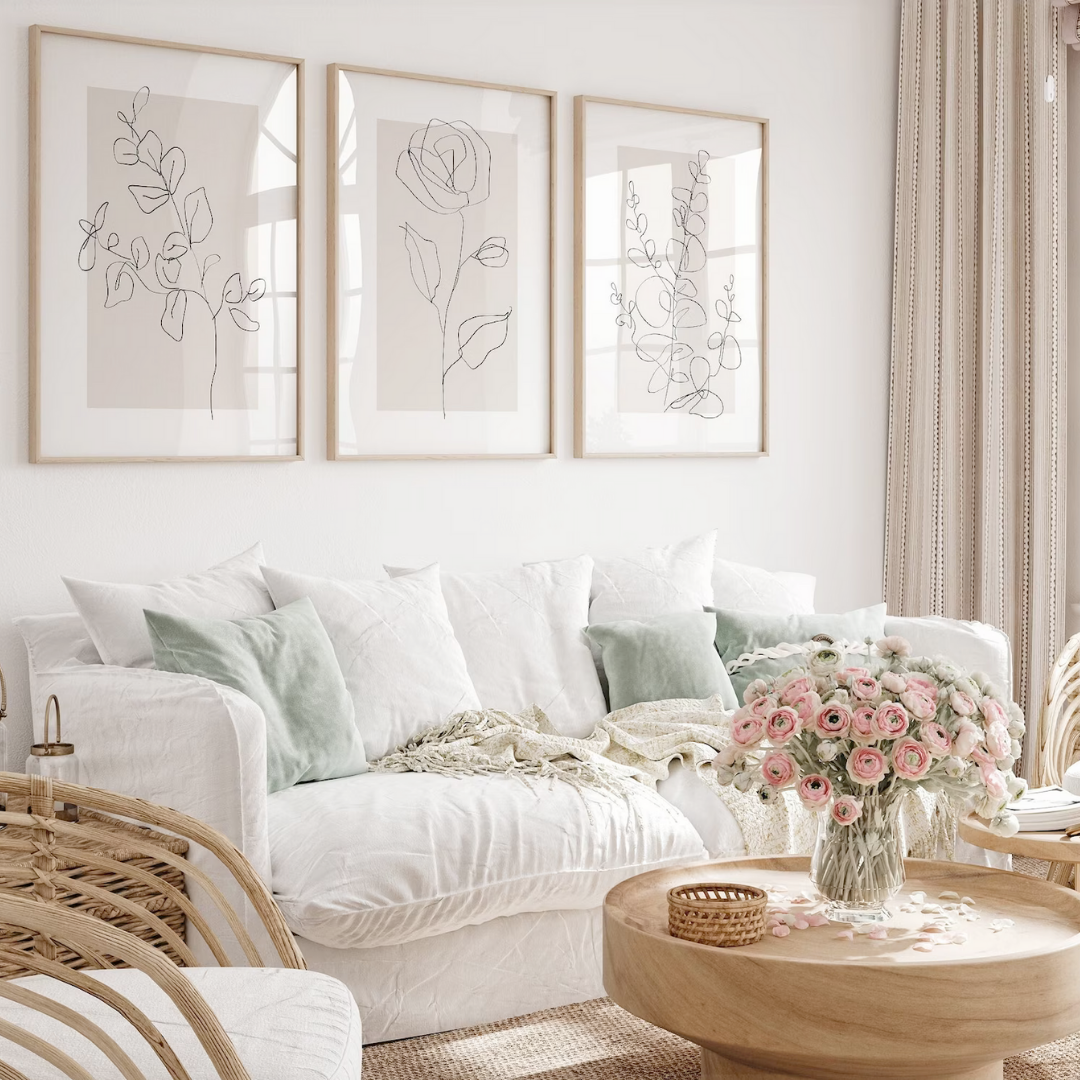
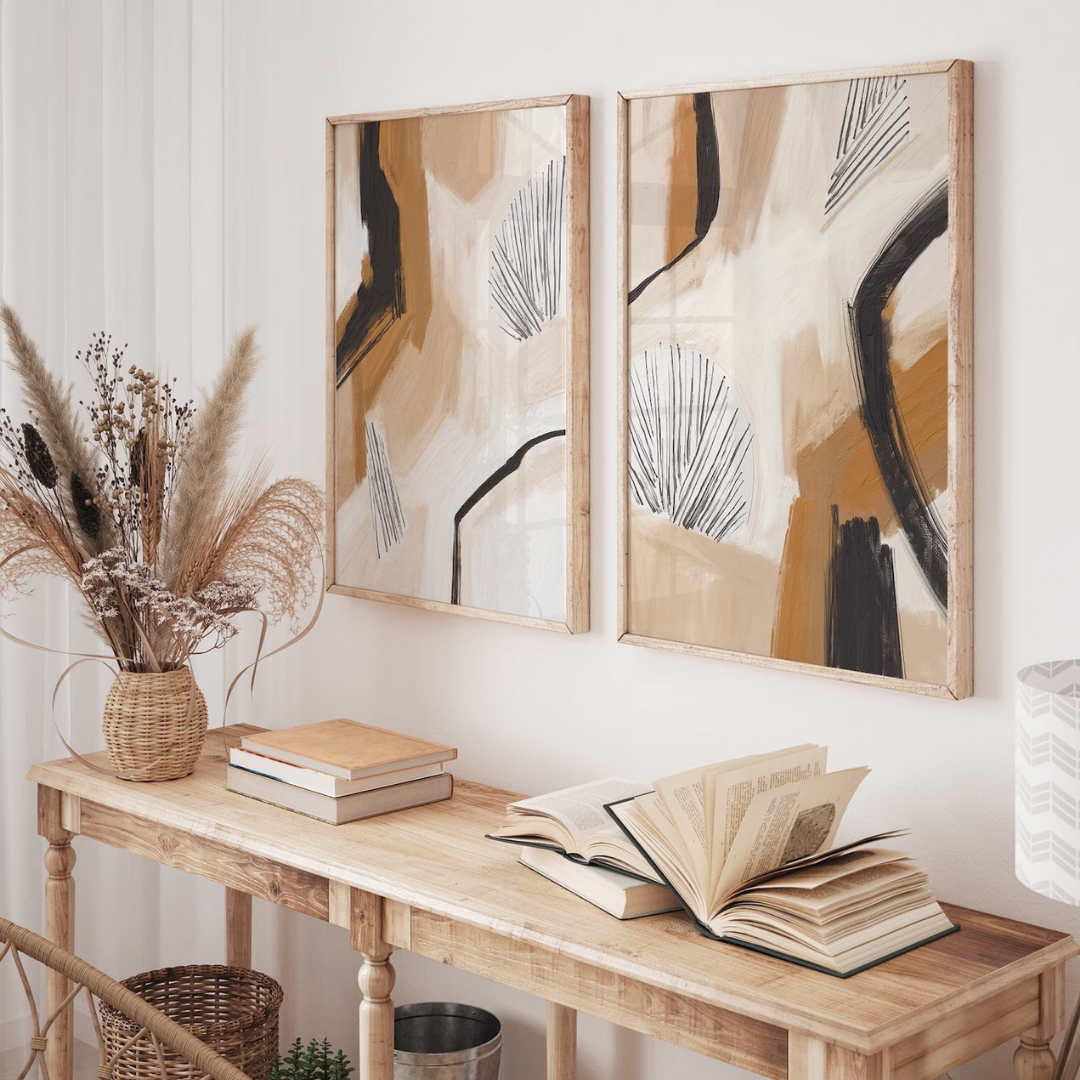
Interior designers often have creative skills that go beyond their ability to design attractive spaces, including a passion for art and the talent to create their own unique pieces for clients. There are many designers who have created a stream of passive income by selling printable art on their website or on sites like Etsy. This is artwork that they created one time and can sell for years as a digital download, without any additional work.

As a designer, you have the advantage of controlling the selection of artwork for your clients, including choosing the design, size, matting, and framing, and can utilize this skill to create and sell your own artwork on your website. By creating your own artwork, you can not only showcase your artistic abilities but also provide one-of-a-kind pieces for your clients and create another stream of income for yourself. 

Creating digital download printable art is simple and can be done with a basic understanding of design software, such as Canva or Adobe Illustrator, and the ability to save the file in a high-resolution format. Once a designer creates the artwork and converts it into a digital download format, they can sell it repeatedly on their website, making it a great source of passive income. You can market your printable art through newsletters and on social media. If you feature your own art in your interior design projects, you can use your project photos to market your art shop.

If you're interested in selling printable art, there are several platforms you can use to get started, like Etsy, Shopify or even opening a shop on your own website. This is an excellent way to create a stream of passive income while also showcasing your artistic talents.

xx, Danae

Passive Income for Interior Designers: Product Licensing

Interior designers with a unique style and eye for product design can use their skills to create another stream of income through product licensing. Product licensing is a legal agreement where a person or company allows another person or company to use their product design, brand name, or intellectual property in exchange for payment, usually in the form of royalties. In this post, we will discuss how interior designers can start a passive income stream through product licensing.

Develop A Unique Design Style

Designers with a distinguishable style and a signature aesthetic do well with product licensing. Great examples of this are Sarah Sherman Samuel who currently has a line with Lulu and Georgia and Athena Calderone and her products with Zara Home. Both designers have distinctive styles that customers want to get their hands on.

Identify Marketable Design Elements

Once a designer has established their unique design style, they can identify marketable design elements that translate well into different types of products. For example, Justina Blakeney creates fun, colorful prints that translate great to textiles, and her Jungalow Collection at Target features bedding, shower curtains, and throw blankets that sell out.

Protect Intellectual Property

It's crucial that interior designers protect their intellectual property by obtaining proper copyrights, trademarks, or patents for their original designs. This will help prevent others from copying or reproducing their work without permission and ensure that they can monetize their designs through licensing agreements. It's very important to consult with legal and business professionals experienced in intellectual property and licensing for expert advice and guidance.

Research Potential Licensees

Interior designers should research potential manufacturers, retailers, and distributors who may be interested in using their designs for products. These can be licensees that specialize in home goods, textiles, furniture, lighting, or any type of interior design-related products.

Negotiate Licensing Agreements

Once the designer has found an interested licensee, interior designers should negotiate licensing agreements that outline the terms and conditions for using their designs. This can include details such as royalty rates, exclusivity, quality control, and more. A professional legal team can help with this.

Market and Promote Licensed Products

Once licensing agreements are confirmed, interior designers can market and promote their licensed products to generate sales and royalties. This can involve utilizing their brand and design recognition through social media, trade events, or collaborations with influencers.

By capitalizing on their unique design style and brand recognition and establishing licensing agreements, interior designers can create a passive income stream through product licensing. Consulting with legal and business professionals experienced in intellectual property and licensing is essential throughout this process. If you are a designer that has ever had dreams of creating your own line of home goods, textiles, or decor accessories, it is possible through product licensing.

xx, Danae

How to Attract the Right Design Projects (and Say No to the Wrong Ones)

As an interior designer, you love what you do. But let's be honest, sometimes it's tempting to say "yes" to every project that comes your way, even ones that don’t thrill you. It's easy to think that taking on every job will bring more money, more exposure, and more success. But the truth is that turning down projects is an essential part of running a successful design business. So let’s explore some key considerations for filtering inquiries and rejecting poor matches gracefully.

Identify Your Niche and Goals

Choosing the right project starts with identifying your specialty and interests. Think about your ideal client and the type of design work that excites you the most. For instance, if you're a minimalist designer, it might not be a good fit to take on a project for someone who wants a cluttered and eclectic space. Focusing on your strengths and passions will not only make the project more enjoyable for you, but it will also result in a better outcome for the client and boost your portfolio in the desired direction.

Keep Your Online Presence in Line

Your website and online content are crucial assets in representing your business and its image. Having a consistent brand identity helps to weed out clients who won't resonate with your style or vision. On the other hand, a well-crafted brand image will be more memorable and attract the right clients who share your design philosophy and aesthetic, leading to better projects for you. In addition, if your website provides clear information about your services and pricing, it’s more likely that you’ll hear from people who are already keen on what you have to offer.

Screen Inquiries with Your Questionnaire

Investing time and effort into creating an intentional online inquiry form can save you a lot of future work. Not only does it help filter out inquiries that may not be a solid match, but it’s also a way for potential clients to get to know your business. By asking specific questions about aspects including style, budget, scope, and timeline, your online form can effectively attract clients who are aligned with you. Using limited multiple-choice options, especially with a budget, offers insight into your price range and can also prevent mismatches from contacting you in the first place. Even if an unsuitable client still reaches out, your online form can still help you quickly determine whether or not they're a good fit.

Go With Your Gut

One of the most important things to take into account when choosing a design project is your gut instinct. If something feels off or if you have any doubts about the project or the client, you shouldn’t underestimate your intuition. Your gut instinct is often your subconscious picking up on something that your conscious mind may not have noticed. Trusting your gut can save you a lot of time, energy, and possibly negative experiences.

Turn Down Projects with Grace

It's inevitable that there will still be some projects that won't move forward as hoped. When you come to that realization, send the interested parties a gracious email that thanks them for their interest and recommends other designers who could be a better match for their project. You could say something like: "Thank you for reaching out to us. We appreciate your interest in our work! After carefully reviewing your inquiry, we believe that other designers could be a better match for your needs in terms of [budget/style/timeline]." This approach shows your professionalism and consideration, and it’s a win-win-win situation if you have a referral agreement with designers whose specialties or capacities are outside of yours.

It's natural to feel hesitant about turning down a potential project, especially when business is slow. However, it's essential to recognize the value of saying "no" to the wrong match. Doing so doesn’t mean waiting around for the perfect project to come along, but rather keeps you free to fine-tune your marketing strategies so that a better match can find you. In the end, it's about building a fulfilling career in interior design, and that starts with making the right choices about the projects you take on.

xx, Danae