Passive Income for Interior Designers: Affiliate Marketing

Interior designers with a strong online presence or who have a very specific niche are very well-suited for using affiliate marketing to create a stream of passive income. Affiliate marketing works by a company providing a commission to a designer who has successfully promoted their product. A simple way to use affiliate marketing is through shoppable mood boards or creating a shop with affiliate links on your website.

How Interior Designers Can Get Started with Affiliate Marketing

  1. Identify products that you are using in your projects or recommending regularly to clients.

  2. Research affiliate marketing programs offered by those brands and companies. Many companies offer a way to earn a commission if a client purchases a product from your recommendation.

  3. Apply to be an affiliate marketer. Once approved, the designer can begin to promote their favorite products on social media, through blog posts or newsletters, or by creating shoppable mood boards.

  4. When someone purchases through the designer’s affiliate link, the interior designer earns a commission.

By using affiliate marketing, interior designers can earn passive income without having to actively sell their favorite products. However, it's strongly advised to disclose affiliate links and be transparent about any financial incentives involved to maintain trust with your audience and clients.

Benefits of Using Affiliate Marketing to Create Passive Income

It’s low-risk: Getting started with affiliate marketing doesn’t require much upfront investment as joining an affiliate marketing program is usually free and promoting the items can be done on social media or a designer’s website.

It’s hassle-free: The designer is not responsible for any shipping responsibilities or keeping inventory.

It’s a way to gain exposure to new brands and products: By partnering with reputable companies, interior designers can be the first to know of new products.

It helps create additional income streams: Affiliate marketing allows designers to create passive income while still focusing on their main services.

Tips for Successful Affiliate Marketing

Choose relevant products that align with the designer’s brand and their target audience: For example, an interior designer who focuses on sustainable design would benefit from promoting products from brands that are eco-friendly. Well-received promotions will result in higher conversion rates.

Create high-quality content to promote products in a natural way: A carefully-curated shoppable mood board that compliments the designer’s brand can be promoted on social media or blog posts to show clients what products they are loving at the moment.

Be transparent about affiliate links: This can be done by mentioning that a link is an affiliate link or by using hashtags like #ad or #affiliate when posting on social media.

Where to Get Started

There are many sites for interior designers to get started as an affiliate marketer. You may have heard of some, such as Side Door and RewardStyle. Or you may not know that sites you’re already using, like Wayfair and Amazon, have affiliate programs. The most important aspect is finding a company that aligns with your brand and target audience.

In short, any interior designer who is interested in creating additional income streams and has an online platform and audience can potentially benefit from affiliate marketing.

xx, Danae

Six Simple, Yet Highly Effective Ideas for Virtual Team Building

Are you an interior designer with remote employees or outsourcing collaborators? Then you know how challenging it can be to maintain open communication and build a sense of camaraderie while juggling everything else. While the idea of team-building can elicit mixed reactions, it's a worthwhile and sorely underestimated investment for any business owner. By fostering connections between team members, you can deepen their bonds and improve communication, leading to better work performance, productivity, and job satisfaction.

The good news is that virtual team-building exercises don’t have to be complicated, time-consuming, or necessarily cost you a penny. From simple check-ins to team games, you can build a stronger and happier team. Here are some easy ideas to get started.

1. Master your online platforms and software. To create a strong sense of community and effective communication in a virtual team, it's important to make the most of an online platform like Slack, Asana, or Trello. These platforms provide a space for colleagues to interact, share ideas, and collaborate seamlessly. Knowing your way around your video conferencing platform of choice, such as Zoom or Google Meet, is essential, as features like screen sharing, breakout rooms, whiteboards, and remote control are indispensable tools for virtual communication.

2. Set regular team meetings. By scheduling regular company-wide communication, you can create a welcoming environment that encourages everyone to share their thoughts and ideas. These meetings help to keep everyone informed, ensure that short and long-term goals are within sight, and give everyone a voice. To make the meetings more engaging, consider starting by having each person share their "high" and "low" of the week, whether it be work-related or not. Alternatively, you can kick off team meetings with an icebreaker question to get everyone thinking and interacting, such as “If you were alone in a dark cabin, with only one match and a lamp, a fireplace, and a candle to choose from, which would you light first?”

3. Welcome feedback. While team meetings can be a great forum for sharing ideas, they may not be the best place for constructive criticism. To encourage honest feedback, consider setting up a virtual “suggestion box” for anonymous submissions, and commit to reading and addressing them once a month. Additionally, taking the time to check in with each team member individually can provide valuable insights and allow for open discussion on what's working well and areas that could be improved. Even though you have the final say in your own business, being receptive to your team's feedback can be incredibly valuable.

4. Celebrate the wins. It's easy to get caught up in the momentum of completing tasks and immediately move on to the next one. But taking a beat to celebrate big milestones (completing an important project) or small successes (finding a creative solution to a design conundrum) boosts morale and pumps the team up to keep going. Whether it’s a quick shout-out in a team meeting or an Uber Eats gift card for a job well done, the gesture goes a long way. When team members feel appreciated and united, their performance tends to improve, so it’s truly a win-win.

5. Play online games together. One great way to encourage team bonding is by playing online games together, especially those that require collaboration and communication skills. Set a time limit beforehand and inform your team about it, so that no one gets stressed about time constraints and can organize their workday accordingly. Then it’s time to have fun! Here are some options:

  • "Can You Hear Me Now?" is a virtual game that requires excellent communication skills and collaboration. One team member becomes the speaker, and the others are artists. The speaker must describe a randomly generated image using only geometric shapes, and the artists must draw it and then share their masterpieces. The game is not only fun but also teaches the importance of effective communication in a remote team setting.

  • Pancakes vs Waffles is a decision-making discussion game that encourages team members to share their values. In each round, the team must choose between two options (such as Pancakes vs Waffles), with one being eliminated each time. The game starts with a simple choice and gradually becomes more personal as new options are added. The game mechanics are helpful for virtual team building because they create a low-stakes environment for sharing personal values.

  • There are infinite online games that you can play with your remote team, whether competing in groups or individually. Online trivia, quizzes, and games are a great way to spark enthusiasm. Some fantastic free options are Words with Friends, Scattergories, Skribbl (like Pictionary), TypingTest, or even Geoguessr. If you use Slack, you probably already know about their own game apps. Why not create a “Guess Who” quiz on Kahoot with fun facts about you and your team members? There are also paid platforms designed specifically for team-building experiences, such as QuizBreaker or TriviaMaker.

6. Spend time together offline.

If it's feasible within your company's budget and team members’ travel abilities, consider renting a property that can accommodate everyone and planning a fun itinerary with both group sessions and activities. Make sure to leave enough free time for spontaneous deep conversations that can really strengthen your team bonds. Otherwise, meeting to attend industry events together is a great way to keep up with design trends and also bond and learn as a team.

As you can see, when it comes to team-building activities, there are endless options to choose from. From team meetings to virtual games, the most important thing is to create an environment that fosters open dialogue, collaboration, and enjoyment among your team members–yourself included–who are the driving force behind your company's success. Not only will it add some joy and insight into your work day, but investing in your team today will reap high returns for your company. So why not start planning a team-building activity today and watch your team thrive?

xx, Danae

Passive Income for Interior Designers: YouTube

A perfect passive income option for designers who also enjoy public speaking and have confidence in front of a camera is creating a YouTube channel. The amount of ideas for interior design video content is endless and it could be a fun way to create another stream of income.

YouTube Video Ideas 

  1. Decorating Tips + Tricks: Viewers would love to see how designers decorate different spaces around their home, such as a bookshelf, a reading corner, or the fireplace mantel. Interior designers can also show how they create cohesive color schemes and choose different patterns that work together. If you have a niche aesthetic, this could be a great way to show viewers how to pick different design items and why.

  2. Behind-The-Scenes Look: Taking viewers behind the scenes of a project, from showing how to create a mood board to creating renders for the project and the big final reveal is a great idea for a YouTube video or even a series of videos. Showing the professional process is really interesting for viewers and potential clients. Designers can showcase how they keep their client’s interests and desires in mind while bringing their vision to life. 

  3. Q & A Video: If you are getting direct messages on social media, a perfect way to answer those questions is through a YouTube video. Questions could vary from being about the design process, how-to questions, or even just about your professional background. This is a personable way to let viewers and potential clients get to know you. 

  4. Design Challenges: Choosing to tackle a realistic design challenge like creating a furniture plan for a studio apartment or decorating a space with a limited budget is a fun way for designers to get creative and showcase how they take on challenging projects. Even more, it’s inspiring for people watching who may be facing those challenges themselves. 

 How To Use YouTube to Create Passive Income 

To get started on YouTube, interior designers should create a YouTube channel where they can create content dedicated to interior design. YouTube provides a monetization feature that allows content creators to earn money through advertising revenue. To be eligible for monetization, a channel must have at least 1,000 subscribers and 4,000 watch hours in the past 12 months. Paired with additional affiliate marketing and sponsored products, this could create a substantial additional revenue stream. 

A key tip for anyone getting started with YouTube is to stay consistent. An audience doesn’t grow exponentially overnight. It’s about consistently creating quality content and truly enjoying the process. A major perk of YouTube is letting people get to know the real you, the face behind the brand, and why you’re passionate about interior design. 

xx, Danae

Passive Income For Interior Designers: Digital Downloads (Part 1)

Do you have any tasks that you feel like you’re doing over and over and that you’d like to streamline? Well this task could create a great opportunity for passive income which would create another stream of income for your business.

With passive income, you do work upfront (in this case, it may even be work you are already doing), and earn over time with minimal maintenance. This can provide you with greater financial stability and freedom, as well as the potential to increase your overall income and build wealth over time. A great option for designers to create passive income is through digital downloads. There are many different types of digital downloads you can create easily once and then sell for years.

Here are some ideas for digital downloads:

How-To Guides & Templates

Maybe you feel like you’re constantly getting asked the same questions about paint colors, accent walls, or art ideas.  Moreover, this is a topic that you could explain in your sleep. A great option to convert this into passive income would be to create a how-to guide or template for clients to download from your website – a win win for you and the buyer as they get your professional design expertise and you get paid for it without doing repetitive work. Another great benefit of guides like these is that you can create more than one! 

A simple way to get started with this is to write down common client questions that you feel you’re answering repeatedly or are getting asked on social media. If you have a niche that you are known for you could create a “Getting Start Guide” for clients who are curious about working with you. An even simpler version would be to produce a template with images and graphics on your topic, like how to create the perfect accent wall for example. Selling guides and templates with simple graphics that showcase your expertise is a perfect way to get started with digital downloads.

eBooks

eBooks are another great way to make passive income with your design expertise for clients who like more DIY type projects. An in depth book that could help customers with a bathroom refresh, picking paint colors, decorating for a rental, or how to Feng Shui their space are examples of successful ebooks on the market. Similar to a how-to guide, they get a lot of expert design knowledge and you don't have to do anything but the initial set up.

Where to Sell Digital Downloads

With strong marketing your digital downloads could bring in quite a bit of revenue. There are many places you can post your downloads to be purchased, the first one being your own website. As clients are already browsing your services, having a shop on your site with digital downloads that answer their design questions could be a quick way for you to make some passive income. You could also create an Etsy or Shopify account to sell your products. That way whenever you receive a DM asking a simple design question, you can let the inquirer know that you have created an entire guide that answers all of their questions.

Passive income can take some effort and investment to set up initially, but once you have established your sources of passive income, they can continue to generate income for you over the long term with minimal ongoing effort required.

Let us know if we can help! We’ve got VDA’s on the team that love helping designers create passive income streams. More in this series to come!

 xx, Danae

Top 9 Podcasts for Interior Designers

The thing about being an interior designer is that your work is never truly done, even after a project is completed. Staying current with the latest trends and networking with other industry professionals to share insights can be challenging, especially when time or energy is in short supply. And if you’re a solo entrepreneur, it can be a lonely road at times.

Luckily, there's something that can help with all of that: listening to a podcast. Whether you're on your morning walk or driving to a job site, podcasts provide a convenient way to relax and soak up knowledge from others in the field. With so many options out there, I've compiled a list of some picks, covering a range of topics from interior design to entrepreneurship and lifestyle. So keep your headphones handy and check out these design podcasts!

A quick note: Many of these podcasts are also available on their own website or other platforms such as Audible or iHeartRadio!

A Well-Designed Business

Hosted by LuAnn Nigara. EVERYONE KNOWS LUANN. Anyone who has ever asked me what podcast I recommend to help you grow a profitable and successful business … I tell them to listen to this podcast. I’ve learned a tremendous amount that has helped me grow Elite Design Assistants and I’m not a designer but an industry partner. Whether you are a new or seasoned designer, this podcast is excellent for continued education on best practices in the interior design industry. And if you are a craving more podcasts there are several more below!

Listen: The #1 Rated Interior Design Business Podcast - A Well-Designed Business® (luannnigara.com)

Monocle on Design

Hosted by Monocle's design editor, Nolan Giles, this podcast covers everything from architecture and furniture to product design and urban planning. Each episode features interviews with some of the most influential designers, thinkers, and innovators in the industry, providing valuable insights and perspectives on the latest trends and issues facing our field.

Listen: Spotify | Apple Podcasts

Design Time

While the most recent episode aired in December 2022, there is still a treasure trove of industry insight from the likes of Kelly Wearstler and Jonathan Adler. Hosted by the editors of Domino magazine, this podcast promises tricks and strategies for interior design and lifestyle, too!

Listen: Spotify | Apple Podcasts

Dark House

If you're looking for something thrilling to spice up your podcast queue, Dark House is a fascinating mashup of interior design, true crime, and even a bit of the paranormal. With guest interviews featuring authors, set designers, psychic mediums, and paranormal investigators, Dark House delves into the dark and mysterious histories behind a few of the most beautiful yet infamous homes around.

Listen: Spotify | Apple Podcasts

The Modern House

As an interior designer, you'll appreciate how this podcast features chats with not only interior designers, but also architects, fashion designers, editors, and other inspiring professionals with their own fresh takes. From discussing the latest trends in modern design to exploring the relationship between architecture and nature, this podcast is sure to inspire your own work.

Listen: Spotify | Apple Podcasts

Chairish

This podcast features interviews with a range of experts, including designers, influencers, and entrepreneurs. They share insights on the latest trends, best practices for running an interior design business, and how to navigate the world of online design. With practical tips and advice from seasoned professionals, Chairish is an excellent resource for those looking to stay on top of their game and take their businesses to the next level.

Listen: Spotify | Apple Podcasts

How to Decorate

As its name would suggest, this podcast features candid conversations with designers and industry professionals who share their tips and tricks for tackling a wide range of decorating challenges, from selecting paint colors to creating a cohesive design scheme. With a friendly and accessible approach, How to Decorate provides practical advice and inspiration for designers at all levels.

Listen: Spotify | Apple Podcasts

The Interior Design Business

Here is a monthly podcast from out of the UK, but you can benefit from a wealth of practical advice that applies to interior designers universally. Listen to practitioners and educators talk about topics like sustainability, home staging, and getting your business off the ground.

Listen: Spotify | Apple Podcasts

Clever

Here is a great resource for fellow interior designers looking to stay inspired and connected to the broader design community. Hosted by designer Amy Devers, "Clever" features interviews with leading designers, artists, and creatives from around the world. The podcast provides a fun and engaging platform for these creatives to share their unique perspectives and experiences on design, entrepreneurship, and creativity.

Listen: Spotify | Apple Podcasts

The Interior Collective

Looking for a fun and informative podcast that's all about the business of beautiful living? Then you'll definitely want to check out The Interior Collective. Hosted by Anastasia Casey from IDCO Studio, this podcast brings together some of the most influential names in the industry, including Shea McGee, Clara Jung, and Amber Lewis, to provide you with actionable advice that you can use to take your own practice to the next level.

Listen: Spotify | Apple Podcasts

If you haven't already joined the podcast wave, you’re about to find out that not only are they incredibly informative, but they're also incredibly addictive! Keep in mind that these are just the tip of the iceberg, and there are many more great design podcasts out there. So, take some time to explore and discover new podcasts to keep your design knowledge fresh and stay up-to-date with the latest industry trends. Happy listening!

xx, Danae

P.S. I have been on a few podcasts throughout the year. Check them out and let me know what you think!

6 Simple Steps to Creating a Picture-Perfect Picnic

There's nothing quite like a picnic, is there? It’s the ultimate flexible and wallet-friendly way to enjoy all kinds of different settings in the great outdoors and soak up some much-needed vitamin D. Picnics are the perfect way to spend an afternoon with friends, family, or a romantic date, no reservation necessary. You can stay as long as you’d like, and you have complete control over the menu. Oh, and done right, it’s irresistible Instagram material. As interior designers, we often can’t pass up an opportunity to style a shoot.

So, whether you're a seasoned picnic pro or amateur, I'm here to share my checklist that will make your picnic prep quick and carefree.

1. Scout the right setting

A successful picnic is all about enjoying the atmosphere, so scope out the location and check the weather ahead of time (even though you never know). Some common–for good reason–picnic destinations include a local park, beach, or riverfront. But you can also search near you for lookout points, botanical gardens, vineyards, rooftops, boats for rent, or even farms that are open to visitors. Just make sure there’s a nice, even surface to set up on, preferably far from any traffic, and check for any local restrictions or regulations that might affect your picnic plans, such as no-alcohol or pet-free zones.

2. Make up the menu

It may be easiest to pitch the potluck approach, and there’s nothing wrong with that. But if you’re aiming for an aesthetic picnic, you might need to take charge. Choose items that are easy to serve and won't spoil or melt in the sun, but also consider their presentation.

One favorite option is a simple cheese and charcuterie board (on a cute cutting board, of course). Another great option is a DIY sandwich bar with fresh bread, meats, cheeses, and condiments. Olives and nuts make great finger snacks. Mason jar salads, a crudité platter with hummus or other dip, or colorful veggie chips are healthy additions, and fruit skewers or chocolate-dipped strawberries for dessert. Some great drink options are cucumber water, fresh-squeezed lemonade, flavored kombucha, wine or champagne. Remember to bring a cooler with ice!

3. Serve sustainably

Taking a cue from the mason jar salad idea, using eco-friendly supplies is a must for any responsible picnic-goer. Opt for reusable plates, cups, and utensils made from materials like bamboo or stainless steel. Glass champagne glasses can add an elegant touch to any picnic, unless you have small children or pets running around. Consider investing in a set of reusable cloth napkins. Not only do they look cute and Instagram-worthy, but they're also much more environmentally friendly than their paper counterparts. All of these items can be washed and reused for future picnics, reducing waste and saving you money in the long run.

4. Create a cozy atmosphere

Being comfortable is essential to really enjoying the experience, and no one wants to sit on a hard, bumpy surface for even 5 minutes. Bring enough cushions for each person to sit on, and even a few extra blankets for the ground or in case it gets chilly. Or bring foldable chairs and a table, if sitting on the ground isn’t your thing. Consider bringing a portable shade canopy or umbrella to provide an escape from strong rays. And if you're worried about pesky bugs, light a citronella candle and keep food covered when possible. Pro tip: sprinkle chalk or talcum powder around your picnic blanket–or use a DIY bug spray with essential oils like lavender, eucalyptus, and peppermint with water–which deter ants from crashing your party.

5. Add low-maintenance activities

While eating and chatting the afternoon away may be more than enough to keep you busy, it can be fun to play some games. With so much already going on, you’ll want to keep these activities low-maintenance. So choose simple games like frisbee, fishbowl, charades, giant jenga, cornhole, or a deck of cards (beware of windy days!) that can provide hours of entertainment without too much setup or clean up. Another great option is to bring along a Bluetooth speaker and put on a collaborative playlist (be sure not to disturb others nearby). For a more serene vibe, activities like yoga or painting can be a fun addition. Or if you must go all out, why not set up an outdoor cinema with a portable projector?

6. Style the shot

Every element mentioned above is an opportunity for a visually appealing addition to your picnic scene. So think about what theme or color scheme you’d like to follow. Romantic Mediterranean? Colorful hippie? Sweet and rustic? Starting with the quintessential picnic item, your picnic blanket, and choose matching cushions. A classic wicker picnic basket is always charming, or opt for a more contemporary take. Other items that can serve as props in your photos include cute serving trays, fresh flowers or greenery, straw hats, sunglasses, books, or even someone’s bike! Remove unappealing objects such as any wrappers, phones, or other personal items that only add clutter. Take photos at different times to catch flattering lighting, such as the golden hour. Try photographing your picnic from a variety of perspectives, including from above, showing a bit more of the environment, and of course, including your loved ones to capture the wonderful memory.

Picnicking isn’t just a meal; it’s an experience that allows you to enjoy the great outdoors and create lasting memories with your loved ones. By following these tips, you can elevate your picnic game and create a delightful setting that reflects your personal style. Remember to be flexible, and don't worry too much about the small details. So grab your picnic basket, embrace the spontaneity, and have fun every step of the way.

Happy picnicking!

xx, Danae

Attract the Clients You Want with Your Brand Identity

As an interior designer, you already know how crucial it is to create a space that speaks to our clients' personalities and accommodates their needs. But, to attract the right clients and provide an outstanding experience from the very beginning, a solid brand identity is key. When it comes to standing out in a sea of competitors, the "face" you show the world is everything. So, let's dive into what makes up your brand identity and discover ways to make it shine!

What is your brand identity?

A brand identity is essentially the personality, visual style, and voice of your interior design business that communicates who you are, what you stand for, and what sets you apart from the competition. And all of these elements are best compiled in a brand book, which becomes the ultimate guide for your team.

Identifying Your Target Client

Before you can create a brand identity that resonates with your target client, you need to have a clear understanding of who they are. Think about who you would enjoy working with and feel fulfilled helping. How old are they, or what life stage are they in? What income level or budget do they have? What are their values, and what’s their lifestyle like? And what are their pain points? Use this information to create a detailed client persona that you will keep in mind, as they are the inspiration behind every aspect of your brand identity.

Defining Your Unique Selling Proposition

Your USP is what sets you apart from the competition and makes you the obvious choice for potential clients. To define your USP, start by identifying what makes you different from other interior designers in your area. This could be a specific design style, a unique approach to client communication, or a focus on a niche like sustainability or wellness. Once you've identified your unique strengths, use them to create a clear and compelling message that communicates why you're the best choice for clients who share your values and appreciate your expertise.

Creating Your Visual Brand Elements

Your brand elements or brand assets typically consist of the visual and design components that make up the brand's look and feel, which are used consistently across all marketing and communication channels to create a recognizable and cohesive brand presence. This includes your logo design (and its variations), color palette, typography, iconography, patterns or textures, layout templates, and usage guidelines for all of the above. Work with a talented graphic designer to create a cohesive and memorable visual identity.

Establishing Your Voice

A clear and consistent brand voice is crucial for creating a strong and memorable brand identity that resonates with your target audience. Your brand voice is the tone, personality, and language you use in all of your written communications, from your website and social media to your newsletters and client communications. To define your brand voice, brainstorm the words and phrases that would best resonate with your ideal client and use them consistently. 

Building the Online Experience

From your social media to your website, the content you present–and the way you present it–all sends a message about your company. So make sure it delivers the right sensations, such as luxury, sophistication, or approachability, depending on your brand personality. Pay attention to website templates and click paths that will affect how potential clients perceive your company through their user experience. Consider hiring a web designer to help you create a tasteful and strategic website that showcases your brand identity.

Using Targeted Advertising

If you want to get your business in front of the right people, targeted advertising is a great way to do it. Social media platforms like Facebook and Instagram offer ways to advertise directly to your ideal clients. By creating ads that are consistent with your brand identity and visually appealing, you'll be able to grab the attention of the people you want to work with. So, take advantage of these advertising tools and put your business where it needs to be!

Researching Like-Minded Brands

When it comes to building a strong brand identity, you don't have to limit yourself to the interior design industry. There are plenty of other companies out there that can inspire you, from fashion to technology. Look for brands that share your values and personality and see how they express themselves visually and through messaging. This can help you create a brand identity that stands out from the rest and feels uniquely you.

Measuring Your Success

Just like you're always tweaking your business, don't forget to keep an eye on how your brand is doing. Make some specific goals and benchmarks to help you keep track of how well your branding is working. That could mean checking website traffic, how many people are engaging with you on social media, or how many customer referrals you're getting. When you have a good handle on how your brand is performing, you can keep it in tune with your audience and keep your business growing.

You've just had a quick glimpse into the vast world of brand identity, but there's still so much to explore. As a designer, you already possess some talents that are useful in creating a brand identity, but don't be shy to get some expert help from graphic design and marketing professionals to ensure that every aspect of your brand stands out. By developing an outstanding brand identity for your interior design business and sharing it with your team, you'll become a magnet for your perfect clients and projects!

xx, Danae

Lesser-Known Travel Destinations for Interior Design Lovers!

Maybe you are fortunate enough to have already visited some of the most famous travel destinations, or perhaps you are someone who prefers to explore off the beaten track. Either way, I’ve curated a list of eight alternative destinations that offer a wealth of attractions for enthusiasts of interior design and architecture, promising an extraordinary and unforgettable experience.

Instead of: Mexico City, Mexico

  • While both cities feature colorful facades and wrought-iron balconies, San Miguel de Allende stands out for its colonial-era charm. With Baroque and Neoclassical architecture, ornate churches, elegant mansions, and cobblestone streets, this small town in the mountains of central Mexico is a UNESCO World Heritage Site. It is known for its flower-filled courtyards and charming small-town feel.


Instead of: Jaipur, India

  • Each city having its own unique style of architecture and design, Chandigarh is renowned for its modernist utopia. Designed by the Swiss-French architect Le Corbusier in the 1950s, Chandigarh features functional, minimalist design, bold geometric architecture, and innovative design solutions. Some of the notable landmarks in Chandigarh include the Capitol Complex, the Open Hand Monument, and the Palace of Assembly, which showcase the city's pioneering modernist aesthetic. In addition to its architectural marvels, Chandigarh is also known for its beautiful gardens, such as the Rose Garden and the Rock Garden, and its bustling markets, where you can find traditional handicrafts and textiles.

Instead of: Amsterdam, Netherlands

  • While both are Dutch cities that offer a mix of historic and modernist architecture, Rotterdam is known for its cutting-edge architecture and innovative design. Rotterdam is home to a number of stunning architectural marvels such as the Cube Houses, which are a set of innovative homes designed by architect Piet Blom, and the iconic Erasmus Bridge, which spans the River Maas and is a symbol of the city's modernity.


Instead of: Istanbul, Turkey

  • Both cities offer a mix of historic and modern architecture, with a strong influence from the Ottoman and Persian empires. Tbilisi is less well-known than Istanbul, but it offers a similar blend of cultures and a unique architectural style. One of the must-visit points of interest in Tbilisi is the Narikala Fortress, a medieval castle that sits on a hill overlooking the city and offers stunning views of the surrounding area.

Instead of: Copenhagen, Denmark

  • Helsinki and Copenhagen are both Nordic cities that boast impressive design and architecture, but Helsinki is known for its Art Nouveau architecture and its Finnish design heritage. The Design Museum in Helsinki is a great place to explore Finnish design history and contemporary design, while the Arabia Factory, located just outside the city center, is a hub of Finnish ceramics and design. The Finnish capital is also home to some of the most interesting examples of modernist architecture in the world, such as the Temppeliaukio Church and the Kiasma Museum of Contemporary Art.


Instead of: Dubai, United Arab Emirates

  • Both cities offer a mix of modern and traditional architecture, with a focus on luxury and high-end design. Baku is less well-known than Dubai, but it offers a similar mix of opulence and modernity. One of the most stunning architectural attractions in Baku is the Flame Towers, a trio of skyscrapers that are covered in LED screens that display images of flames, making them look like they're actually on fire. In addition, the Heydar Aliyev Cultural Center, designed by the late architect Zaha Hadid, is a stunning example of contemporary architecture and design.

Instead of: Barcelona, Spain

  • Both cities offer a mix of Gothic, modernist, and contemporary architecture, but Valencia is less crowded and touristy than Barcelona, and its architecture is arguably more diverse and less well-known. Valencia is also known for the work of architect Santiago Calatrava, whose futuristic designs can be seen in the City of Arts and Sciences, a complex of cultural and architectural wonders that includes the Hemisfèric planetarium, the Oceanogràfic aquarium, and the Palau de les Arts Reina Sofia opera house.


Instead of: Rio de Janeiro, Brazil

  • While both cities have their own charm, Brasilia is a modernist utopia that is unlike any other city in Brazil. The entire city was planned and built from scratch in the late 1950s, with bold geometric shapes, concrete structures, and innovative design solutions. The city's master plan was designed by the famous Brazilian architect Oscar Niemeyer and, once again, Le Corbusier. Despite being the capital city, it is often overshadowed by Rio de Janeiro as a tourist destination, but it is well worth a visit.


Happy Traveling!

xx, Danae

Tips for Successful Outsourcing for Interior Designers

As an interior designer, you know that time is one of your most valuable resources. With a busy schedule, it can be challenging to manage all aspects of your business, from design to administration. That's why more and more designers are turning to outsourcing to lighten their workload and focus on their core competencies. In this article, we'll explore the benefits of outsourcing and provide tips for a successful partnership. Whether you're considering outsourcing for the first time or looking to optimize your current arrangements, this guide will help you make outsourcing work for you.

And, as many of our clients can attest, we will assist you with any of the below to help set you up for outsourcing success! If you need help with anything at all, please feel free to reach out.

Whether you're a small start-up or a large corporation, outsourcing can provide numerous benefits that can help take your business to the next level. To name a few, outsourcing:

  • Provides access to specialized skills and expertise

  • Increases flexibility in managing workload and meeting deadlines

  • Enables you to scale your business without having to hire full-time staff

  • Reduces the burden of repetitive or time-consuming tasks

  • Allows you to take on more projects and grow your business

And it works wonderfully when both parties are on the same page. By providing your outsourcing collaborator or virtual design assistant with the necessary information and tools, you'll set them up for success and equip them with everything they need to work efficiently and effectively for you. This will not only save you time and money in the long run, but it will also help to establish a positive working relationship based on clear communication and mutual understanding. Here are 7 tips to ensure success when delegating tasks to another design professional.

Assess the tasks at hand.

Before beginning the outsourcing process, assess which tasks are suitable for outsourcing and which should be kept in-house. To determine which tasks to outsource, consider which tasks are most time-consuming, repetitive, or require specialized skills that may not be available in-house. Once you've determined which tasks to outsource, create a budget for those tasks to help you plan and prioritize.

Establish procedures.

To prepare for outsourcing, develop your standard operating procedures (SOPs) and compile them in a company manual. This document should delineate your firm's standard internal processes, policies, and procedures, including any useful links and templates. Having these procedures documented will help your outsourcing partner to comprehend how your firm operates and give them a reference point, which ultimately takes less of your time.

Gather style samples.

Another basic element to have prepared is your branding kit, which should include your company's logo, color palette, typography, and any other visual elements that define your brand. This will help your outsourcing partner to create designs that align with your brand and maintain a consistent visual identity. Providing AutoCAD samples, design style guides, and project briefs will also help them adapt their work to your aesthetic–and technical–style.

Set up your project management platform.

To effectively communicate with your outsourcing partner, it is enormously helpful to use a project management software or platform, such as Asana or Trello, which you can use to communicate, track progress, and assign tasks. This way, you can manage your team's workload and stay on top of deadlines.

When you’re ready to brief your collaborator, here are some additional tips to ensure that the hand-off goes smoothly.

Talk big picture.

Share a brief overview of your business and identify your current needs (distinguishing them from potential future tasks) to ensure that your outsourcing partner understands what they will be working on right away. Additionally, communicate the time and schedule commitment that you are looking for at this time. This is also a good opportunity to let them know your preferred communication style, and what the first steps will be.

Define the scope.

When handing off a particular project or task, be sure to specify deadlines, a time limit if there is one, and the level of detail required (for example, a preliminary conceptual floor plan versus a final bid set). If possible, provide examples of similar previous work they can reference to cohere to your company’s standards. While there are a number of so-called "industry standards", the reality is that every firm is different, so the more specific you are when briefing, the better the result. If a project is being divvied up among multiple team members, let them know where their responsibilities begin and end so that they’re clear on their role, while also aware of other moving parts.

Foster open communication.

Communication is key when it comes to outsourcing. As you'll be working with people who may not be physically present, it's important to establish effective communication channels. By keeping an open dialogue, you can prevent minor queries from delaying progress. Make sure your assistant knows how and when to contact you or other team members for prompt resolution of doubts. Sharing your daily availability on a platform like Google Calendar can improve communication and efficiency. It's also helpful to schedule regular check-ins with an ongoing assistant, such as via video calls, to maintain fluid communication and benefit from mutual feedback.

Give them a heads up.

A final point to consider when outsourcing is to provide as much advance notice as possible when you anticipate a change in workload. By doing so, you not only give the assistant ample time to organize their time and resources to meet your needs but also respect their schedule and other obligations. Your assistant may also be working with other clients, and by giving them advance notice whenever possible, you are also ensuring that your projects remain a priority.

In conclusion, outsourcing can be a valuable resource for interior designers who want to grow their business and focus on what they do best. By following these tips, you'll be well on your way to a successful outsourcing partnership. So why not explore the benefits of outsourcing today and see how it can help you achieve your goals?

As always, we are happy to help! Please feel free to reach out if you need anything at all!

xx, Danae


Exciting News!

Enrollment for the Interior Design Standard has opened back up if you’d like to sneak into the Class of Spring 2023. So if you still wish you’d done it… NOW is the time!
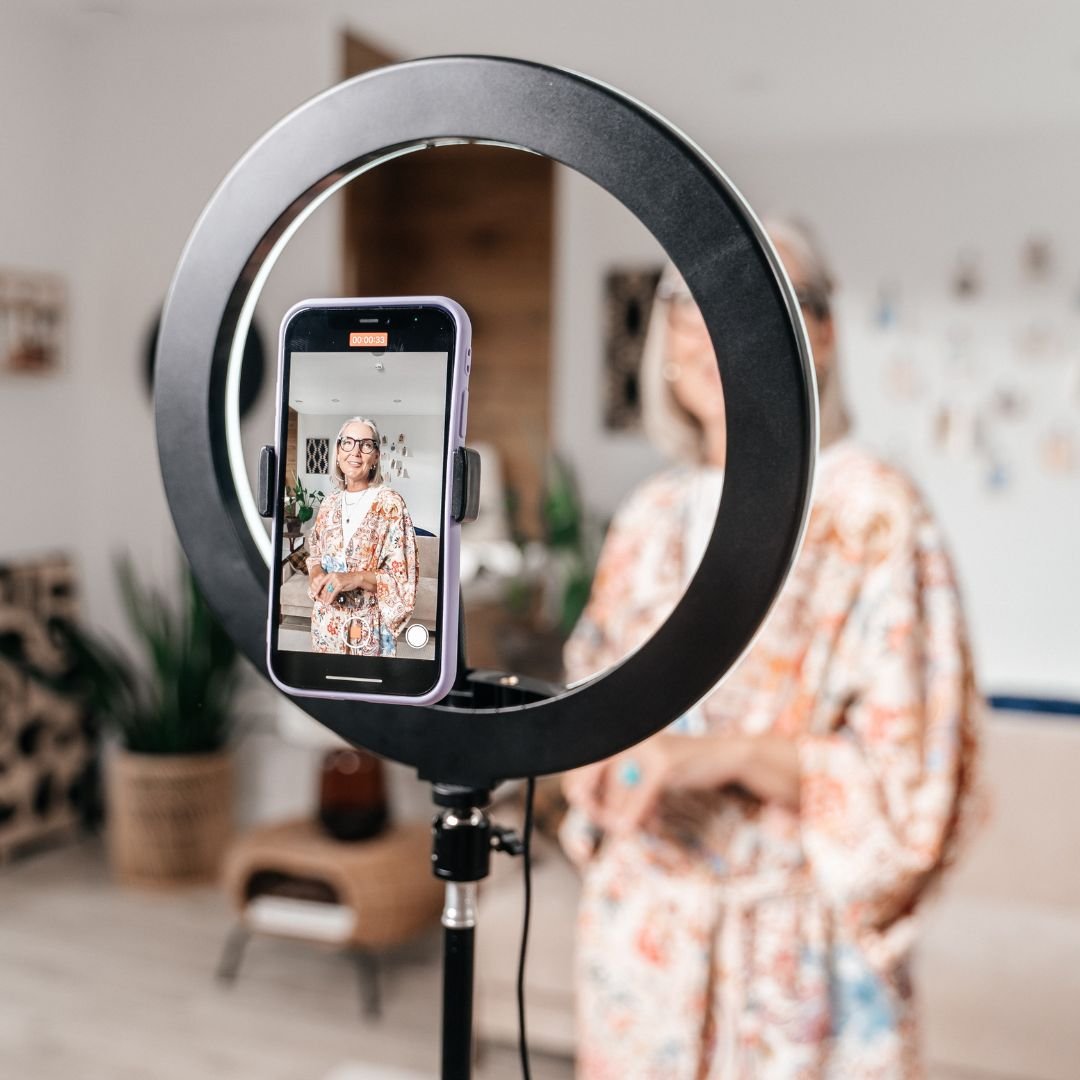
Join the hundreds of designers transforming their businesses.

Enrollment will officially close Thursday, April 27th at 11:59PM EST.

NEW SERVICE ALERT! Interior Designer Influencer Support

You know we are passionate about helping interior designers grow & scale their businesses in a variety of ways. As more and more interior designers are interested in creating additional income streams, we are now offering an Interior Designer Influencer Support service.

We are passionate about helping Interior Designers with an established following that would like to begin leveraging that audience for additional revenue streams as influencers. 

Here are a few large projects that we can help Interior Designers to strategize and implement.

  • Brand Collaborations – The most popular way to earn income as an influencer is working directly with brands. To be successful, you’ll need a media kit, systems for tracking pitches, a way to identify correct brand contacts, lots of follow up, and finally, you will need to negotiate!

  • Engagement Management – An engaged following is a loyal following! We can create a schedule and system for responding to DMs, nurturing relationships/leads, drafting responses to FAQs (automating if appropriate), converting leads, requesting collabs.

  • Course Creation – Educate your audience with an online course. Launching requires careful planning. Let us help you develop course content, manage the project through development, testing, and launch.

  • Digital Products – Share your design expertise with a large audience for a relatively small investment.  We can assist you with developing eBooks, e-Designs, or Design "Recipes", setting them up for sale, delivery, and creating sales funnels that establish your authority as a reputable designer and lead the customer to purchase larger ticket items.

  • Blogging – We will help you develop a blueprint to build your blog! Everything from choosing a platform, setting up plugins, SEO strategy, formatting posts, image alt text, connecting an email management service, reviewing analytics, and Pinterest strategy.

  • Paid Communities – Monetize your audience by providing exclusive content for your loyal followers. You may want help setting up landing pages, payment processors, strategizing content, ensuring an excellent customer experience, establishing SOPs, workflow, and all the details…that’s what we’re here for!

  • Subscription Boxes – Do you have a knack for choosing décor? A subscription box is an excellent way to share your favorite items with your following, and make a profit! We assist with sourcing items, negotiating wholesale accounts, sourcing shipping supplies, setting up a sales platform, waiting lists, and launch strategy. 

  • Email Implementation – An email list is crucial for direct and reliable correspondence with your audience. We are available to set up email marketing software, lead magnets and creating sales funnels for you!

HOW IT WORKS:

  1. Email Elite Design Assistants and let me know you are interested in the Influencer Support service.

  2. I’ll reply with more information on pricing, contracting and connect you to an expert Influencer Support VDA.

  3. You and the VDA will have a conversation where you can ask any questions regarding the service to see if it’s a fit for you.

  4. After that conversation all you need to do is send in the contract and you can begin working with your Influencer Support VDA.

Please let me know if you have any questions! Have a wonderful day!

xx, Danae