Attract the Clients You Want with Your Brand Identity

As an interior designer, you already know how crucial it is to create a space that speaks to our clients' personalities and accommodates their needs. But, to attract the right clients and provide an outstanding experience from the very beginning, a solid brand identity is key. When it comes to standing out in a sea of competitors, the "face" you show the world is everything. So, let's dive into what makes up your brand identity and discover ways to make it shine!

What is your brand identity?

A brand identity is essentially the personality, visual style, and voice of your interior design business that communicates who you are, what you stand for, and what sets you apart from the competition. And all of these elements are best compiled in a brand book, which becomes the ultimate guide for your team.

Identifying Your Target Client

Before you can create a brand identity that resonates with your target client, you need to have a clear understanding of who they are. Think about who you would enjoy working with and feel fulfilled helping. How old are they, or what life stage are they in? What income level or budget do they have? What are their values, and whatโ€™s their lifestyle like? And what are their pain points? Use this information to create a detailed client persona that you will keep in mind, as they are the inspiration behind every aspect of your brand identity.

Defining Your Unique Selling Proposition

Your USP is what sets you apart from the competition and makes you the obvious choice for potential clients. To define your USP, start by identifying what makes you different from other interior designers in your area. This could be a specific design style, a unique approach to client communication, or a focus on a niche like sustainability or wellness. Once you've identified your unique strengths, use them to create a clear and compelling message that communicates why you're the best choice for clients who share your values and appreciate your expertise.

Creating Your Visual Brand Elements

Your brand elements or brand assets typically consist of the visual and design components that make up the brand's look and feel, which are used consistently across all marketing and communication channels to create a recognizable and cohesive brand presence. This includes your logo design (and its variations), color palette, typography, iconography, patterns or textures, layout templates, and usage guidelines for all of the above. Work with a talented graphic designer to create a cohesive and memorable visual identity.

Establishing Your Voice

A clear and consistent brand voice is crucial for creating a strong and memorable brand identity that resonates with your target audience. Your brand voice is the tone, personality, and language you use in all of your written communications, from your website and social media to your newsletters and client communications. To define your brand voice, brainstorm the words and phrases that would best resonate with your ideal client and use them consistently. 

Building the Online Experience

From your social media to your website, the content you presentโ€“and the way you present itโ€“all sends a message about your company. So make sure it delivers the right sensations, such as luxury, sophistication, or approachability, depending on your brand personality. Pay attention to website templates and click paths that will affect how potential clients perceive your company through their user experience. Consider hiring a web designer to help you create a tasteful and strategic website that showcases your brand identity.

Using Targeted Advertising

If you want to get your business in front of the right people, targeted advertising is a great way to do it. Social media platforms like Facebook and Instagram offer ways to advertise directly to your ideal clients. By creating ads that are consistent with your brand identity and visually appealing, you'll be able to grab the attention of the people you want to work with. So, take advantage of these advertising tools and put your business where it needs to be!

Researching Like-Minded Brands

When it comes to building a strong brand identity, you don't have to limit yourself to the interior design industry. There are plenty of other companies out there that can inspire you, from fashion to technology. Look for brands that share your values and personality and see how they express themselves visually and through messaging. This can help you create a brand identity that stands out from the rest and feels uniquely you.

Measuring Your Success

Just like you're always tweaking your business, don't forget to keep an eye on how your brand is doing. Make some specific goals and benchmarks to help you keep track of how well your branding is working. That could mean checking website traffic, how many people are engaging with you on social media, or how many customer referrals you're getting. When you have a good handle on how your brand is performing, you can keep it in tune with your audience and keep your business growing.

You've just had a quick glimpse into the vast world of brand identity, but there's still so much to explore. As a designer, you already possess some talents that are useful in creating a brand identity, but don't be shy to get some expert help from graphic design and marketing professionals to ensure that every aspect of your brand stands out. By developing an outstanding brand identity for your interior design business and sharing it with your team, you'll become a magnet for your perfect clients and projects!

xx, Danae

Lesser-Known Travel Destinations for Interior Design Lovers!

Maybe you are fortunate enough to have already visited some of the most famous travel destinations, or perhaps you are someone who prefers to explore off the beaten track. Either way, Iโ€™ve curated a list of eight alternative destinations that offer a wealth of attractions for enthusiasts of interior design and architecture, promising an extraordinary and unforgettable experience.

Instead of: Mexico City, Mexico

  • While both cities feature colorful facades and wrought-iron balconies, San Miguel de Allende stands out for its colonial-era charm. With Baroque and Neoclassical architecture, ornate churches, elegant mansions, and cobblestone streets, this small town in the mountains of central Mexico is a UNESCO World Heritage Site. It is known for its flower-filled courtyards and charming small-town feel.


Instead of: Jaipur, India

  • Each city having its own unique style of architecture and design, Chandigarh is renowned for its modernist utopia. Designed by the Swiss-French architect Le Corbusier in the 1950s, Chandigarh features functional, minimalist design, bold geometric architecture, and innovative design solutions. Some of the notable landmarks in Chandigarh include the Capitol Complex, the Open Hand Monument, and the Palace of Assembly, which showcase the city's pioneering modernist aesthetic. In addition to its architectural marvels, Chandigarh is also known for its beautiful gardens, such as the Rose Garden and the Rock Garden, and its bustling markets, where you can find traditional handicrafts and textiles.

Instead of: Amsterdam, Netherlands

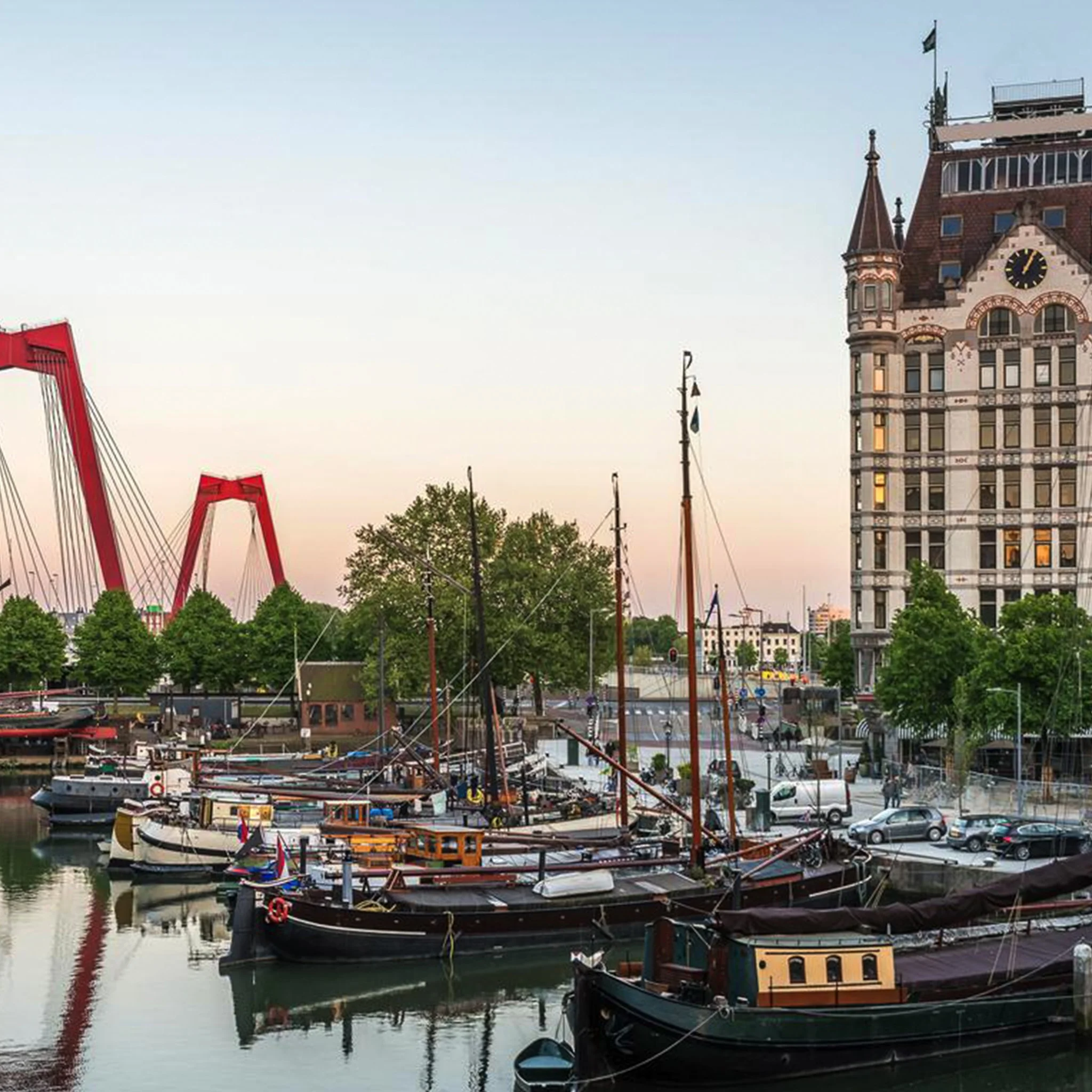
  • While both are Dutch cities that offer a mix of historic and modernist architecture, Rotterdam is known for its cutting-edge architecture and innovative design. Rotterdam is home to a number of stunning architectural marvels such as the Cube Houses, which are a set of innovative homes designed by architect Piet Blom, and the iconic Erasmus Bridge, which spans the River Maas and is a symbol of the city's modernity.


Instead of: Istanbul, Turkey

  • Both cities offer a mix of historic and modern architecture, with a strong influence from the Ottoman and Persian empires. Tbilisi is less well-known than Istanbul, but it offers a similar blend of cultures and a unique architectural style. One of the must-visit points of interest in Tbilisi is the Narikala Fortress, a medieval castle that sits on a hill overlooking the city and offers stunning views of the surrounding area.

Instead of: Copenhagen, Denmark

  • Helsinki and Copenhagen are both Nordic cities that boast impressive design and architecture, but Helsinki is known for its Art Nouveau architecture and its Finnish design heritage. The Design Museum in Helsinki is a great place to explore Finnish design history and contemporary design, while the Arabia Factory, located just outside the city center, is a hub of Finnish ceramics and design. The Finnish capital is also home to some of the most interesting examples of modernist architecture in the world, such as the Temppeliaukio Church and the Kiasma Museum of Contemporary Art.


Instead of: Dubai, United Arab Emirates

  • Both cities offer a mix of modern and traditional architecture, with a focus on luxury and high-end design. Baku is less well-known than Dubai, but it offers a similar mix of opulence and modernity. One of the most stunning architectural attractions in Baku is the Flame Towers, a trio of skyscrapers that are covered in LED screens that display images of flames, making them look like they're actually on fire. In addition, the Heydar Aliyev Cultural Center, designed by the late architect Zaha Hadid, is a stunning example of contemporary architecture and design.

Instead of: Barcelona, Spain

  • Both cities offer a mix of Gothic, modernist, and contemporary architecture, but Valencia is less crowded and touristy than Barcelona, and its architecture is arguably more diverse and less well-known. Valencia is also known for the work of architect Santiago Calatrava, whose futuristic designs can be seen in the City of Arts and Sciences, a complex of cultural and architectural wonders that includes the Hemisfรจric planetarium, the Oceanogrร fic aquarium, and the Palau de les Arts Reina Sofia opera house.


Instead of: Rio de Janeiro, Brazil

  • While both cities have their own charm, Brasilia is a modernist utopia that is unlike any other city in Brazil. The entire city was planned and built from scratch in the late 1950s, with bold geometric shapes, concrete structures, and innovative design solutions. The city's master plan was designed by the famous Brazilian architect Oscar Niemeyer and, once again, Le Corbusier. Despite being the capital city, it is often overshadowed by Rio de Janeiro as a tourist destination, but it is well worth a visit.


Happy Traveling!

xx, Danae

Tips for Successful Outsourcing for Interior Designers

As an interior designer, you know that time is one of your most valuable resources. With a busy schedule, it can be challenging to manage all aspects of your business, from design to administration. That's why more and more designers are turning to outsourcing to lighten their workload and focus on their core competencies. In this article, we'll explore the benefits of outsourcing and provide tips for a successful partnership. Whether you're considering outsourcing for the first time or looking to optimize your current arrangements, this guide will help you make outsourcing work for you.

And, as many of our clients can attest, we will assist you with any of the below to help set you up for outsourcing success! If you need help with anything at all, please feel free to reach out.

Whether you're a small start-up or a large corporation, outsourcing can provide numerous benefits that can help take your business to the next level. To name a few, outsourcing:

  • Provides access to specialized skills and expertise

  • Increases flexibility in managing workload and meeting deadlines

  • Enables you to scale your business without having to hire full-time staff

  • Reduces the burden of repetitive or time-consuming tasks

  • Allows you to take on more projects and grow your business

And it works wonderfully when both parties are on the same page. By providing your outsourcing collaborator or virtual design assistant with the necessary information and tools, you'll set them up for success and equip them with everything they need to work efficiently and effectively for you. This will not only save you time and money in the long run, but it will also help to establish a positive working relationship based on clear communication and mutual understanding. Here are 7 tips to ensure success when delegating tasks to another design professional.

Assess the tasks at hand.

Before beginning the outsourcing process, assess which tasks are suitable for outsourcing and which should be kept in-house. To determine which tasks to outsource, consider which tasks are most time-consuming, repetitive, or require specialized skills that may not be available in-house. Once you've determined which tasks to outsource, create a budget for those tasks to help you plan and prioritize.

Establish procedures.

To prepare for outsourcing, develop your standard operating procedures (SOPs) and compile them in a company manual. This document should delineate your firm's standard internal processes, policies, and procedures, including any useful links and templates. Having these procedures documented will help your outsourcing partner to comprehend how your firm operates and give them a reference point, which ultimately takes less of your time.

Gather style samples.

Another basic element to have prepared is your branding kit, which should include your company's logo, color palette, typography, and any other visual elements that define your brand. This will help your outsourcing partner to create designs that align with your brand and maintain a consistent visual identity. Providing AutoCAD samples, design style guides, and project briefs will also help them adapt their work to your aestheticโ€“and technicalโ€“style.

Set up your project management platform.

To effectively communicate with your outsourcing partner, it is enormously helpful to use a project management software or platform, such as Asana or Trello, which you can use to communicate, track progress, and assign tasks. This way, you can manage your team's workload and stay on top of deadlines.

When youโ€™re ready to brief your collaborator, here are some additional tips to ensure that the hand-off goes smoothly.

Talk big picture.

Share a brief overview of your business and identify your current needs (distinguishing them from potential future tasks) to ensure that your outsourcing partner understands what they will be working on right away. Additionally, communicate the time and schedule commitment that you are looking for at this time. This is also a good opportunity to let them know your preferred communication style, and what the first steps will be.

Define the scope.

When handing off a particular project or task, be sure to specify deadlines, a time limit if there is one, and the level of detail required (for example, a preliminary conceptual floor plan versus a final bid set). If possible, provide examples of similar previous work they can reference to cohere to your companyโ€™s standards. While there are a number of so-called "industry standards", the reality is that every firm is different, so the more specific you are when briefing, the better the result. If a project is being divvied up among multiple team members, let them know where their responsibilities begin and end so that theyโ€™re clear on their role, while also aware of other moving parts.

Foster open communication.

Communication is key when it comes to outsourcing. As you'll be working with people who may not be physically present, it's important to establish effective communication channels. By keeping an open dialogue, you can prevent minor queries from delaying progress. Make sure your assistant knows how and when to contact you or other team members for prompt resolution of doubts. Sharing your daily availability on a platform like Google Calendar can improve communication and efficiency. It's also helpful to schedule regular check-ins with an ongoing assistant, such as via video calls, to maintain fluid communication and benefit from mutual feedback.

Give them a heads up.

A final point to consider when outsourcing is to provide as much advance notice as possible when you anticipate a change in workload. By doing so, you not only give the assistant ample time to organize their time and resources to meet your needs but also respect their schedule and other obligations. Your assistant may also be working with other clients, and by giving them advance notice whenever possible, you are also ensuring that your projects remain a priority.

In conclusion, outsourcing can be a valuable resource for interior designers who want to grow their business and focus on what they do best. By following these tips, you'll be well on your way to a successful outsourcing partnership. So why not explore the benefits of outsourcing today and see how it can help you achieve your goals?

As always, we are happy to help! Please feel free to reach out if you need anything at all!

xx, Danae

Exciting News!

Enrollment for the Interior Design Standard has opened back up if youโ€™d like to sneak into the Class of Spring 2023. So if you still wish youโ€™d done itโ€ฆ NOW is the time!

Join the hundreds of designers transforming their businesses.

Enrollment will officially close Thursday, April 27th at 11:59PM EST.

NEW SERVICE ALERT! Interior Designer Influencer Support

You know we are passionate about helping interior designers grow & scale their businesses in a variety of ways. As more and more interior designers are interested in creating additional income streams, we are now offering an Interior Designer Influencer Support service.

We are passionate about helping Interior Designers with an established following that would like to begin leveraging that audience for additional revenue streams as influencers. 

Here are a few large projects that we can help Interior Designers to strategize and implement.

  • Brand Collaborations โ€“ The most popular way to earn income as an influencer is working directly with brands. To be successful, youโ€™ll need a media kit, systems for tracking pitches, a way to identify correct brand contacts, lots of follow up, and finally, you will need to negotiate!

  • Engagement Management โ€“ An engaged following is a loyal following! We can create a schedule and system for responding to DMs, nurturing relationships/leads, drafting responses to FAQs (automating if appropriate), converting leads, requesting collabs.

  • Course Creation โ€“ Educate your audience with an online course. Launching requires careful planning. Let us help you develop course content, manage the project through development, testing, and launch.

  • Digital Products โ€“ Share your design expertise with a large audience for a relatively small investment.  We can assist you with developing eBooks, e-Designs, or Design "Recipes", setting them up for sale, delivery, and creating sales funnels that establish your authority as a reputable designer and lead the customer to purchase larger ticket items.

  • Blogging โ€“ We will help you develop a blueprint to build your blog! Everything from choosing a platform, setting up plugins, SEO strategy, formatting posts, image alt text, connecting an email management service, reviewing analytics, and Pinterest strategy.

  • Paid Communities โ€“ Monetize your audience by providing exclusive content for your loyal followers. You may want help setting up landing pages, payment processors, strategizing content, ensuring an excellent customer experience, establishing SOPs, workflow, and all the detailsโ€ฆthatโ€™s what weโ€™re here for!

  • Subscription Boxes โ€“ Do you have a knack for choosing dรฉcor? A subscription box is an excellent way to share your favorite items with your following, and make a profit! We assist with sourcing items, negotiating wholesale accounts, sourcing shipping supplies, setting up a sales platform, waiting lists, and launch strategy. 

  • Email Implementation โ€“ An email list is crucial for direct and reliable correspondence with your audience. We are available to set up email marketing software, lead magnets and creating sales funnels for you!

HOW IT WORKS:

  1. Email Elite Design Assistants and let me know you are interested in the Influencer Support service.

  2. Iโ€™ll reply with more information on pricing, contracting and connect you to an expert Influencer Support VDA.

  3. You and the VDA will have a conversation where you can ask any questions regarding the service to see if itโ€™s a fit for you.

  4. After that conversation all you need to do is send in the contract and you can begin working with your Influencer Support VDA.

Please let me know if you have any questions! Have a wonderful day!

xx, Danae

8 Key Ways to Incorporate Art into Your Interior Designs

Art is often lumped into the category of decoration, although some would jump to disagree. The definition of art in interior design can be blurry. But unlike most other elements in a home, art's only function is to express and evoke sensations. It can bring back memories of a family trip or spark conversation at a dinner party. It has the power to make a strong impact on the feel of a room, and it shouldn't be treated as an afterthought or mere finishing touch. Art can go a long way in adding personality, style, and emotion to a space. So letโ€™s explore some different ways to incorporate art into your interior design.

1. Consider Personal Taste

Taste in art can be very personal and highly subjective, even more so than other styling elements, so it's important to show clients the pieces you have in mind before finalizing the selection. An image evokes different feelings for each person, so finding artwork that resonates with the client's taste and personality is crucial. Incorporating art that clients may already have can also serve as a starting point, finding pieces that complement but don't compete with their existing art. This helps to achieve a space that reflects the client's unique style and personality.

2. Take Inspiration from Art

Rather than finding art that fits into your design, you can also start with a piece to guide you. For example, if you have a colorful abstract painting with splashes of blue and rust, you could use those hues as the basis for your color palette throughout the room. Look for complementary colors in textiles, accessories, and furniture to create a cohesive look. You could also take inspiration from the shapes and textures in the artwork. If the painting features organic, flowing lines, you could incorporate soft, curved shapes in your furniture choices. Alternatively, if the piece has sharp, geometric shapes, you could choose angular furniture or accessories to echo that aesthetic.

3. Be Mindful of Scale and Placement

When it comes to displaying art, the scale and placement significantly affect the overall look and feel of a room, as well as its flow. Consider the size of the art and how it will interact with other elements in the space. For instance, a small piece of art on a large wall can appear insignificant and out of place, while a large piece of art in a small room can be overwhelming and take up too much visual space. In a living room with a tall ceiling, a large abstract painting can be positioned above a sofa, creating a focal point for the room. However, in a small entryway, a series of small framed photographs can create a gallery wall effect without overwhelming the space. A large piece of art at the end of a hallway draws the eye towards a specific area, while a series of smaller pieces can create a sense of movement and continuity throughout the space.

4. Play with Contrasting Styles

Although it's important to choose artwork that complements the overall style of a room, incorporating pieces that are unexpected or unconventional can add interest and personality to the space. For example, a minimalist space can benefit from a bold painting or a large sculpture as a statement piece. Or, you might be preserving historic elements from a home, but a standout contemporary piece can create a very cool effect.

5. Light It Up

Proper lighting can make all the difference when it comes to showcasing art in a room. To enhance the beauty of art and create an inviting atmosphere, consider installing spotlights or track lighting to highlight certain pieces. This also adds a touch of sophistication. By adjusting the angle and intensity of the light, you can create dramatic shadows and highlights, drawing the eye towards the artwork.

6. Choose the Right Frame

The right frame will complement the artwork without competing with it, and the frame's color and style should be chosen based on the artwork. For example, a simple white frame can work well with a colorful, contemporary piece, while an ornate gold frame might be more suitable for a classical painting. However, you could experiment with a more unexpected combination of styles. A framed piece of art can be hung on a wall as a fixed focal point or leaned for a more relaxed look.

7. Go Beyond Paintings

You can incorporate art into your designs in many ways, such as using wallpaper or having a  custom mural painted on a wall, in niches, or even the ceiling. Additionally, you can consider incorporating other decorative elements, such as ceramics, glass, textiles, metalwork, or sculptures, as they too are considered art and add a lot to the overall aesthetic of the room. Try creating an interesting juxtaposition by placing different types of art together.

8. Source by Budget

When it comes to purchasing art, there are many different sources to choose from, depending on the budget youโ€™re working with. You can find unique pieces by visiting local artists or attending art fairs and galleries. Online platforms such as Saatchi Art are also great options for discovering new artists and artworks. For a more cost-effective approach, consider purchasing prints or posters from websites like Etsy or Society6.

These key points are great guidelines for your quest in incorporating art into your design, but remember that art thrives on creativity, innovation, and rule-breaking. Be bold and experiment with new and unconventional approaches to art to inject personality and character into your design. So, enjoy the process and have fun with it!

xx, Danae

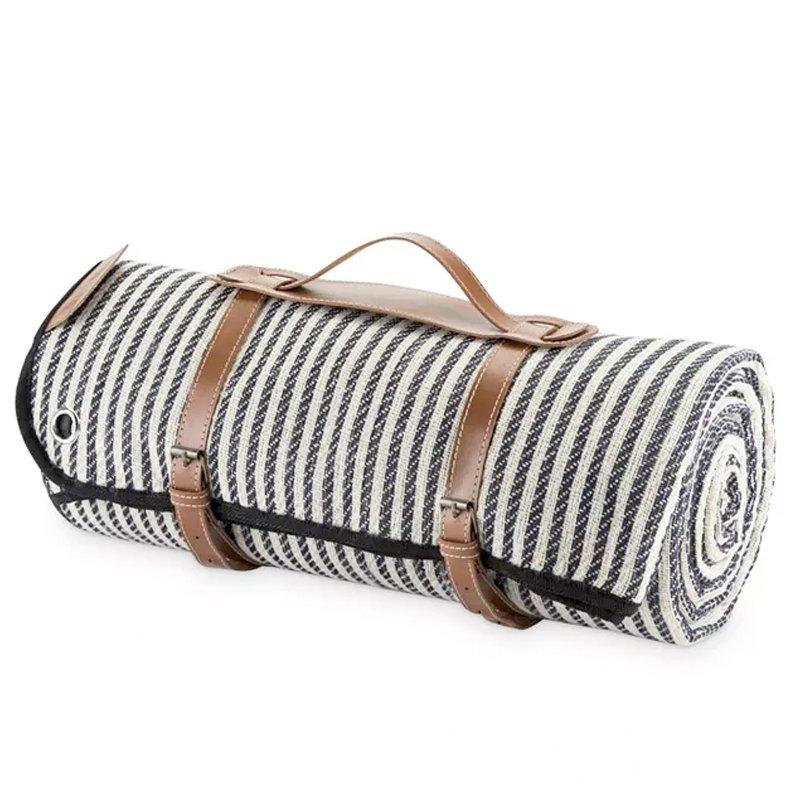
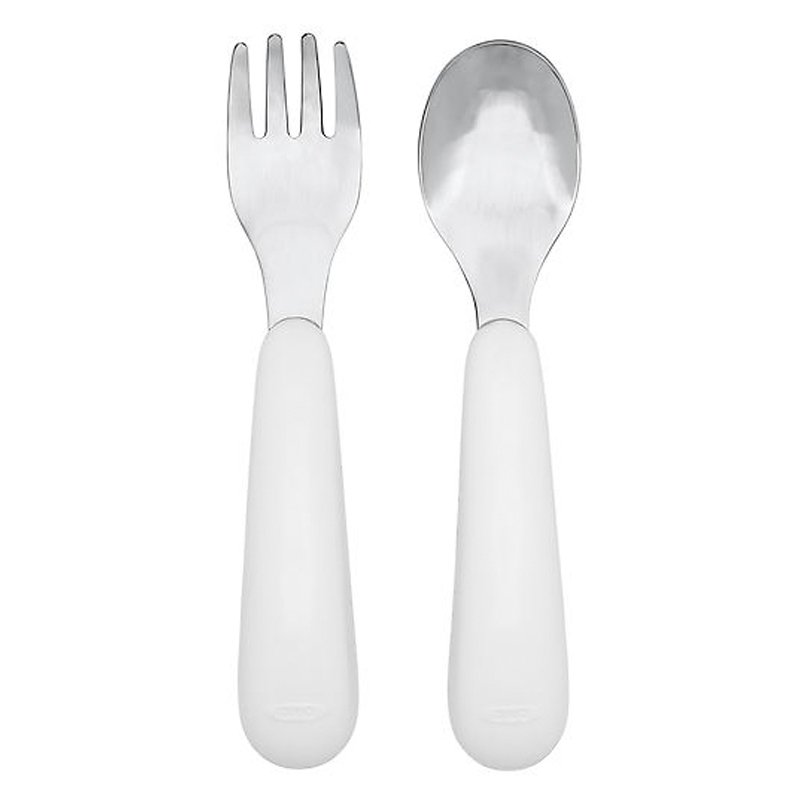
Shop The Look: Going on a Picnic

With spring in full swing, it's time for a picnic! Shop these items to make your next indoor or outdoor picnic unforgettable!

The Advantages of Journaling

As someone who is always on the hunt for new and creative ways to stay organized, focused, and inspired, have you ever considered taking up journaling? It might seem like a simple activity, but the benefits of journaling are vast and can have a positive impact on your personal and professional life. Renowned individuals across all fields and moments in time have sworn by the practice, from Frida Kahlo and Marie Curie to Oprah Winfrey. So read on to find out what journaling can do for you.

The best journaling method for you will depend on your preferences and goals. Here are some of the most popular approaches:

  • Stream of consciousness writing: Writing whatever comes to mind without any editing or structure

  • Bullet journaling: Using symbols and short phrases to track tasks, goals, and other important information in a structured and organized way

  • Gratitude journals: Focusing on writing down things you are thankful for

  • Dream journals: Recording and analyzing your dreams

  • Art journaling: Combining writing with artistic expression, including collages, drawings, paintings, or any other form of visual art

Ultimately, the key is to find a method that works for you and to be consistent in your practice. Itโ€™s all about seeing what style best fits your creative inclinations and what you hope to gain from the practice. So, before you start, consider the advantages of journaling that appeal to you the most. Do you want to improve your productivity, gain a better understanding of your emotions, or document your experiences? Answering these questions will help you discern which style of journaling to try.

Here are just a few of the advantages of journaling:

Improved mental clarity and focus

Journaling allows you to get your thoughts and ideas out of your head and onto paper, which can help you process and make sense of them. This can lead to increased mental clarity and focus, which is essential for staying on top of all your design and life projects.

Enhanced creativity

By writing down your ideas, sketches, and inspiration in a journal, you create a physical record of your creative process. This can help you tap into your inner creativity and generate new and innovative ideas.

Reduced stress and anxiety

Interior design can be a stressful and high-pressure industry, but journaling can provide an outlet for your emotions and help you manage your stress levels. Writing down your worries and concerns can help you release them from your mind and gain a sense of control over them.

Increased self-awareness

Regular journaling can increase your self-awareness and emotional intelligence by allowing you to gain a deeper understanding of your behavior, habits, and thought patterns. This can provide valuable insights that can be applied to both your personal and professional life.

Greater productivity and organization

Journaling can help you stay organized and focused on your goals. By setting daily or weekly tasks and recording your progress, you can track your productivity and make adjustments to your schedule or priorities as needed.

Stronger problem-solving skills

When you write down your problems, you can analyze them from different angles and develop solutions that you might not have considered before. By exploring your options and weighing the pros and cons, you can gain insight and confidence in your decision-making abilities.

Enhanced memory and learning

Writing down your thoughts and experiences can help you remember them better. By creating a written record, you can also later review your notes and gain a deeper understanding of the topics you are working on or contemplating.

Increased gratitude and positivity

By writing down things you are grateful for, positive experiences, and happy memories, you can train your brain to focus on the good things in your life. This can lead to increased happiness, reduced stress, and just a more positive outlook on life.

Journaling is a powerful tool that can be done at any time of day, and all you really need is a notebook and a pen (although fancy pens are fun, too). By taking a few minutes each day, you are actually making space for personal growth. So, I hope you are inspired to give journaling a try!

xx, Danae

Shop The Look: Gardening!

With spring in full swing, it's time to start thinking about gardening! We have collected a few of our favorite gardening items for our latest Shop the Look board! Come shopping with us!

The Rise of Biophilic Design

With hashtags like #urbanjungle and #sustainablehome trending on social media, it's clear that many people are looking to bring a bit of nature into their lifestyles and living spaces. This desire for a connection with nature helps to explain the rise of biophilic design, a term that simply means "nature lover" design. So letโ€™s have a look at where this concept came from and how you can incorporate it into your own designs!

Biophilic design has its roots in the concept of biophilia introduced by biologist E.O. Wilson in the 1980s. Stephen Kellert, a prominent proponent of biophilic design, expanded upon this idea by describing six elements of it.

  • Natural shapes and forms

  • Light and space

  • Natural processes and patterns

  • Environmental features

  • Plant-based relationships

  • Evolved human-nature relationships

In today's fast-paced and technology-driven world, people are seeking refuge from the stress and noise of modern life. Biophilic design offers a way to bring the tranquility and beauty of the natural world into our built environments, creating spaces that promote relaxation, creativity, and wellbeing.

In fact, recent research has shown that biophilic design can have a significant impact on people's health and productivity. For example, a study by Harvard University found that people who worked in environments with natural elements like plants and sunlight were more productive and had better overall health than those who worked in traditional office settings.

A famous example of this is the Amazon Spheres in Seattle. These three interconnected glass domes are filled with more than 40,000 plants from around the world, creating a lush and vibrant indoor rainforest. The Spheres were designed to provide Amazon employees with a unique and inspiring workspace, and they have become a popular tourist attraction as well.

And besides its wellness and productivity benefits, biophilic design can also be visually stunning. For example, Frank Lloyd Wright's Fallingwater, a house built over a waterfall in Pennsylvania, is a classic example. The house is integrated into the surrounding natural environment, with large windows that offer sweeping views of the forest and waterfall.

So, if you're looking to incorporate biophilic design into your projects, there are plenty of reasons to do so. Many interior designers would agree that itโ€™s best not to pack so many plants into a space that it looks like a post-apocalyptic plant takeover. But you can artfully apply some principles of biophilic design. Here are a few tips:

Bring in natural light

Natural light is one of the easiest ways to connect a space to the outdoors. Consider adding skylights, large windows, or even light wells to bring in more natural light.

Use natural materials

Incorporating natural materials like wood, stone, clay, natural fibers, and plants can help create a more organic and calming environment. Consider using reclaimed wood or stone to add texture and depth to a space.

Create indoor gardens

Plants not only add visual interest to a space, but they also help purify the air. Consider adding living walls, potted plants, or even a small indoor garden to your projects. Be mindful of clientsโ€™ allergies and plants that are toxic to pets, including aloe vera plants, sago palms, and rubber plants.

Consider the views

When designing a space, think about the views that will be visible from inside. If there are trees, mountains, or other natural elements outside, try to frame them in a way that creates a connection between the indoors and outdoors.

Keep it simple

Biophilic design is all about simplicity and creating a connection with nature. Don't overcomplicate your designs with too many competing elements. Instead, focus on creating a calming and natural environment that invites people to relax and connect with the space.

Biophilic design is a trend that is here to stay. By incorporating natural elements into your designs, you can create spaces that are not only beautiful but also beneficial to people's health and wellbeing. So, experiment with natural materials, indoor gardens, and simple design elements. Your clients will thank you!

xx, Danae


Enrollment for the Interior Design Standard opens today!

Now is the time to take action and invest in yourself. It's time to level up and catapult your business forward - the ROI will be immeasurable. Enrollment for the Interior Design Standard closes on April 5th, 2023. Sign up today.

Shop The Look: Spring Fashion!

Spring into the upcoming season with style!

It's our Shop the Look: Spring Fashion Edition! We've collected some of our favorite items, like stylish dresses, skirts, shoes, totes, and more!