The Advantages of Journaling

As someone who is always on the hunt for new and creative ways to stay organized, focused, and inspired, have you ever considered taking up journaling? It might seem like a simple activity, but the benefits of journaling are vast and can have a positive impact on your personal and professional life. Renowned individuals across all fields and moments in time have sworn by the practice, from Frida Kahlo and Marie Curie to Oprah Winfrey. So read on to find out what journaling can do for you.

The best journaling method for you will depend on your preferences and goals. Here are some of the most popular approaches:

  • Stream of consciousness writing: Writing whatever comes to mind without any editing or structure

  • Bullet journaling: Using symbols and short phrases to track tasks, goals, and other important information in a structured and organized way

  • Gratitude journals: Focusing on writing down things you are thankful for

  • Dream journals: Recording and analyzing your dreams

  • Art journaling: Combining writing with artistic expression, including collages, drawings, paintings, or any other form of visual art

Ultimately, the key is to find a method that works for you and to be consistent in your practice. It’s all about seeing what style best fits your creative inclinations and what you hope to gain from the practice. So, before you start, consider the advantages of journaling that appeal to you the most. Do you want to improve your productivity, gain a better understanding of your emotions, or document your experiences? Answering these questions will help you discern which style of journaling to try.

Here are just a few of the advantages of journaling:

Improved mental clarity and focus

Journaling allows you to get your thoughts and ideas out of your head and onto paper, which can help you process and make sense of them. This can lead to increased mental clarity and focus, which is essential for staying on top of all your design and life projects.

Enhanced creativity

By writing down your ideas, sketches, and inspiration in a journal, you create a physical record of your creative process. This can help you tap into your inner creativity and generate new and innovative ideas.

Reduced stress and anxiety

Interior design can be a stressful and high-pressure industry, but journaling can provide an outlet for your emotions and help you manage your stress levels. Writing down your worries and concerns can help you release them from your mind and gain a sense of control over them.

Increased self-awareness

Regular journaling can increase your self-awareness and emotional intelligence by allowing you to gain a deeper understanding of your behavior, habits, and thought patterns. This can provide valuable insights that can be applied to both your personal and professional life.

Greater productivity and organization

Journaling can help you stay organized and focused on your goals. By setting daily or weekly tasks and recording your progress, you can track your productivity and make adjustments to your schedule or priorities as needed.

Stronger problem-solving skills

When you write down your problems, you can analyze them from different angles and develop solutions that you might not have considered before. By exploring your options and weighing the pros and cons, you can gain insight and confidence in your decision-making abilities.

Enhanced memory and learning

Writing down your thoughts and experiences can help you remember them better. By creating a written record, you can also later review your notes and gain a deeper understanding of the topics you are working on or contemplating.

Increased gratitude and positivity

By writing down things you are grateful for, positive experiences, and happy memories, you can train your brain to focus on the good things in your life. This can lead to increased happiness, reduced stress, and just a more positive outlook on life.

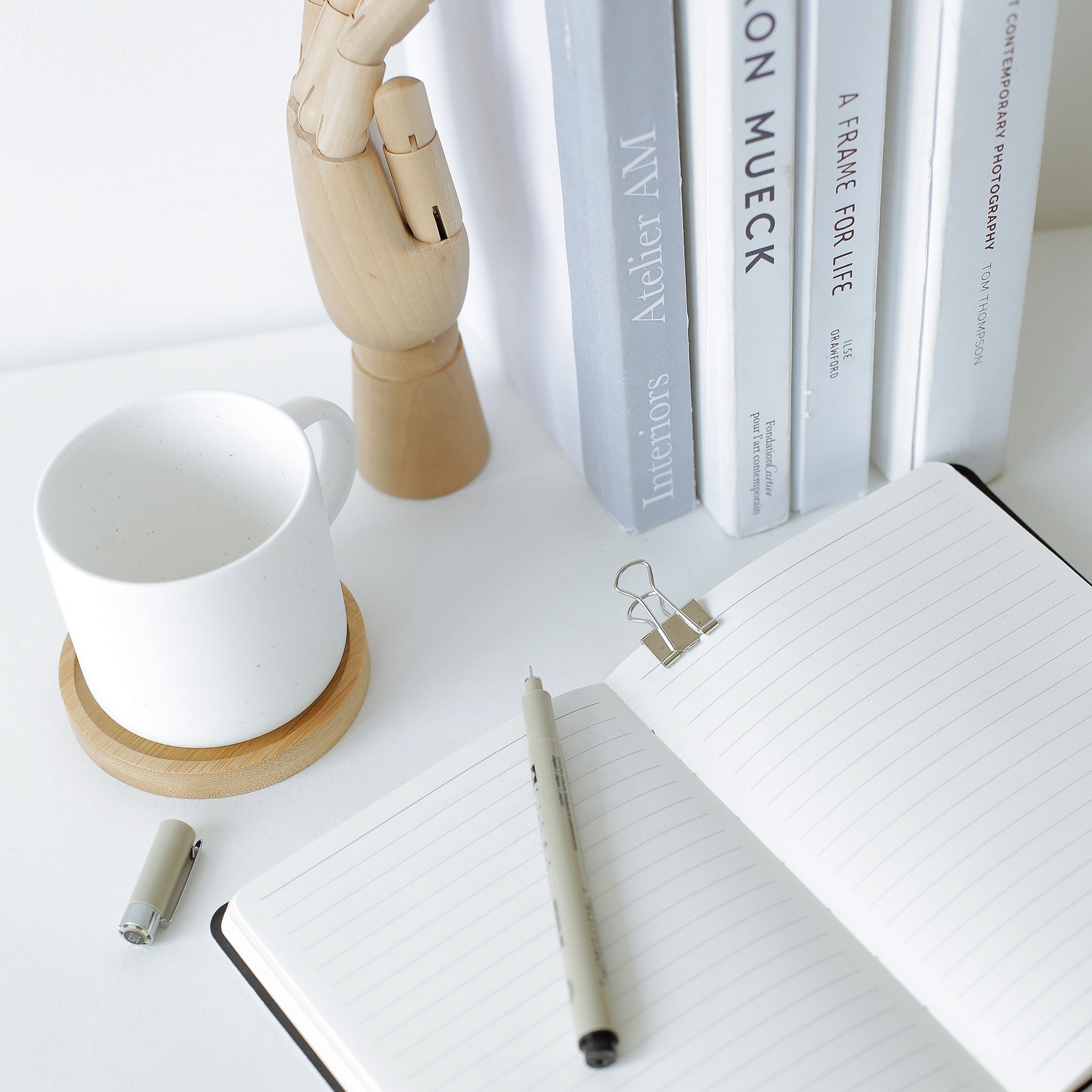
Journaling is a powerful tool that can be done at any time of day, and all you really need is a notebook and a pen (although fancy pens are fun, too). By taking a few minutes each day, you are actually making space for personal growth. So, I hope you are inspired to give journaling a try!

xx, Danae
Shop The Look: Gardening!

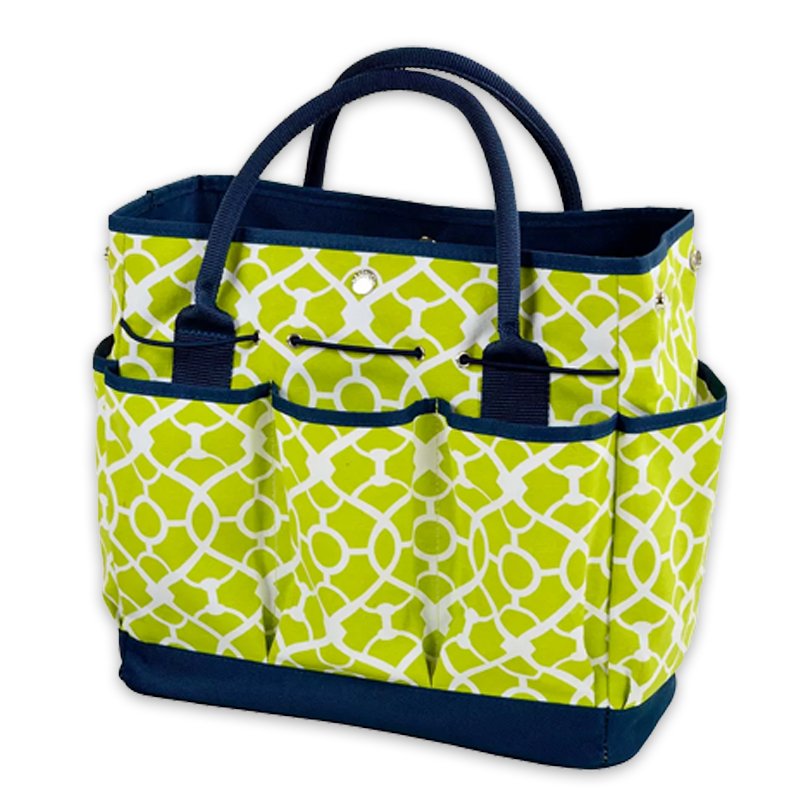
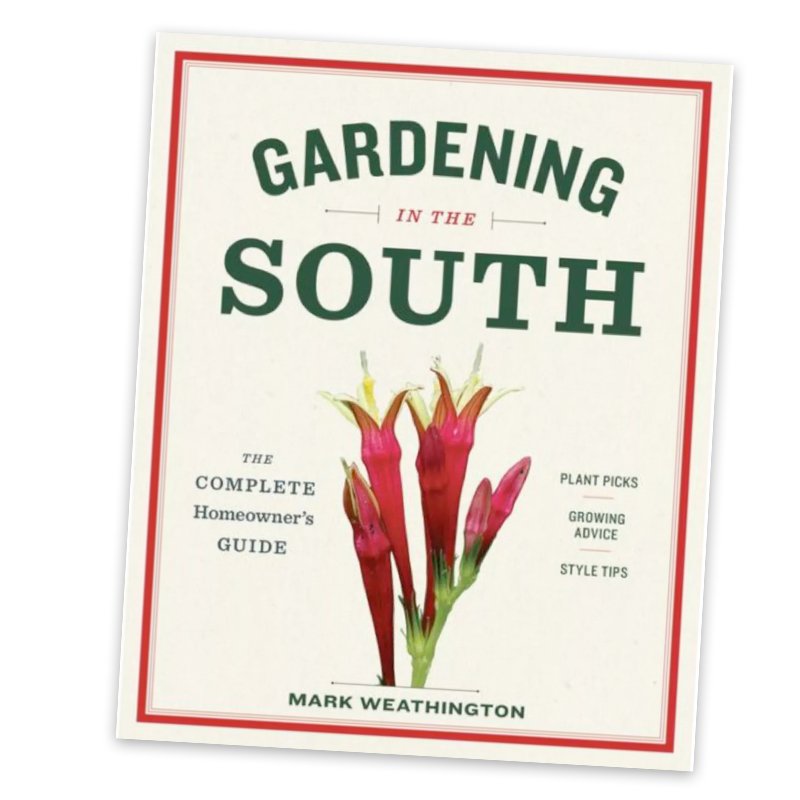
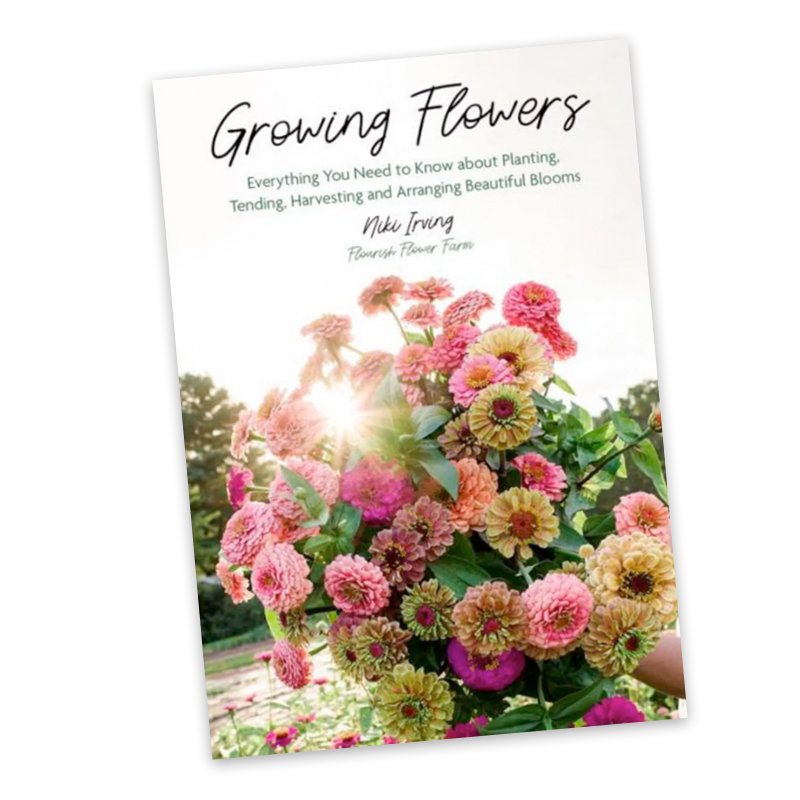
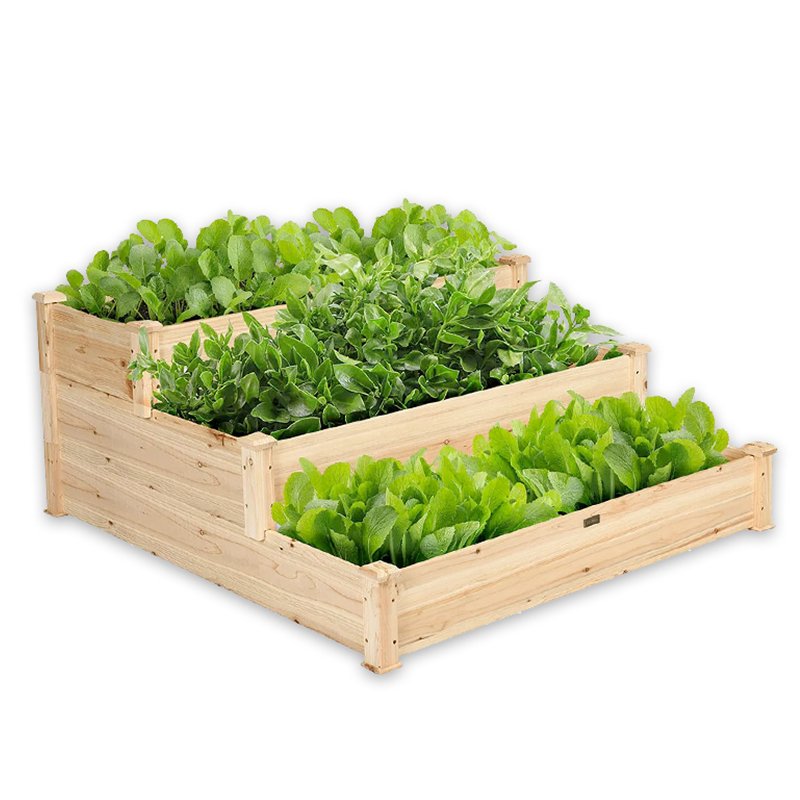
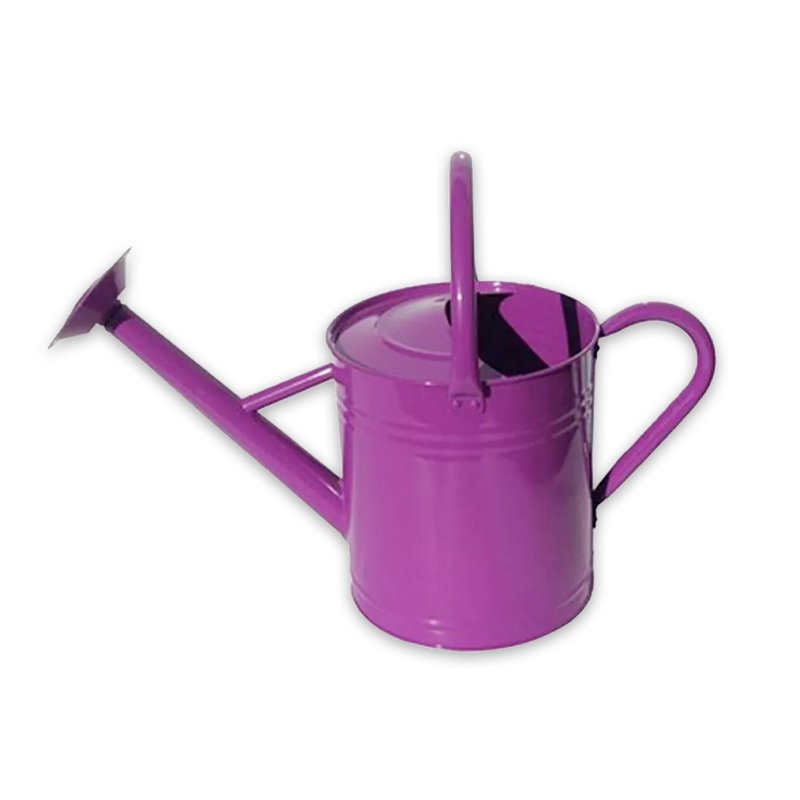
With spring in full swing, it's time to start thinking about gardening! We have collected a few of our favorite gardening items for our latest Shop the Look board! Come shopping with us!

The Rise of Biophilic Design

With hashtags like #urbanjungle and #sustainablehome trending on social media, it's clear that many people are looking to bring a bit of nature into their lifestyles and living spaces. This desire for a connection with nature helps to explain the rise of biophilic design, a term that simply means "nature lover" design. So let’s have a look at where this concept came from and how you can incorporate it into your own designs!

Biophilic design has its roots in the concept of biophilia introduced by biologist E.O. Wilson in the 1980s. Stephen Kellert, a prominent proponent of biophilic design, expanded upon this idea by describing six elements of it.

  • Natural shapes and forms

  • Light and space

  • Natural processes and patterns

  • Environmental features

  • Plant-based relationships

  • Evolved human-nature relationships

In today's fast-paced and technology-driven world, people are seeking refuge from the stress and noise of modern life. Biophilic design offers a way to bring the tranquility and beauty of the natural world into our built environments, creating spaces that promote relaxation, creativity, and wellbeing.

In fact, recent research has shown that biophilic design can have a significant impact on people's health and productivity. For example, a study by Harvard University found that people who worked in environments with natural elements like plants and sunlight were more productive and had better overall health than those who worked in traditional office settings.

A famous example of this is the Amazon Spheres in Seattle. These three interconnected glass domes are filled with more than 40,000 plants from around the world, creating a lush and vibrant indoor rainforest. The Spheres were designed to provide Amazon employees with a unique and inspiring workspace, and they have become a popular tourist attraction as well.

And besides its wellness and productivity benefits, biophilic design can also be visually stunning. For example, Frank Lloyd Wright's Fallingwater, a house built over a waterfall in Pennsylvania, is a classic example. The house is integrated into the surrounding natural environment, with large windows that offer sweeping views of the forest and waterfall.

So, if you're looking to incorporate biophilic design into your projects, there are plenty of reasons to do so. Many interior designers would agree that it’s best not to pack so many plants into a space that it looks like a post-apocalyptic plant takeover. But you can artfully apply some principles of biophilic design. Here are a few tips:

Bring in natural light

Natural light is one of the easiest ways to connect a space to the outdoors. Consider adding skylights, large windows, or even light wells to bring in more natural light.

Use natural materials

Incorporating natural materials like wood, stone, clay, natural fibers, and plants can help create a more organic and calming environment. Consider using reclaimed wood or stone to add texture and depth to a space.

Create indoor gardens

Plants not only add visual interest to a space, but they also help purify the air. Consider adding living walls, potted plants, or even a small indoor garden to your projects. Be mindful of clients’ allergies and plants that are toxic to pets, including aloe vera plants, sago palms, and rubber plants.

Consider the views

When designing a space, think about the views that will be visible from inside. If there are trees, mountains, or other natural elements outside, try to frame them in a way that creates a connection between the indoors and outdoors.

Keep it simple

Biophilic design is all about simplicity and creating a connection with nature. Don't overcomplicate your designs with too many competing elements. Instead, focus on creating a calming and natural environment that invites people to relax and connect with the space.

Biophilic design is a trend that is here to stay. By incorporating natural elements into your designs, you can create spaces that are not only beautiful but also beneficial to people's health and wellbeing. So, experiment with natural materials, indoor gardens, and simple design elements. Your clients will thank you!

xx, Danae


Enrollment for the Interior Design Standard opens today!

Now is the time to take action and invest in yourself. It's time to level up and catapult your business forward - the ROI will be immeasurable. Enrollment for the Interior Design Standard closes on April 5th, 2023. Sign up today.

Shop The Look: Spring Fashion!

Spring into the upcoming season with style!

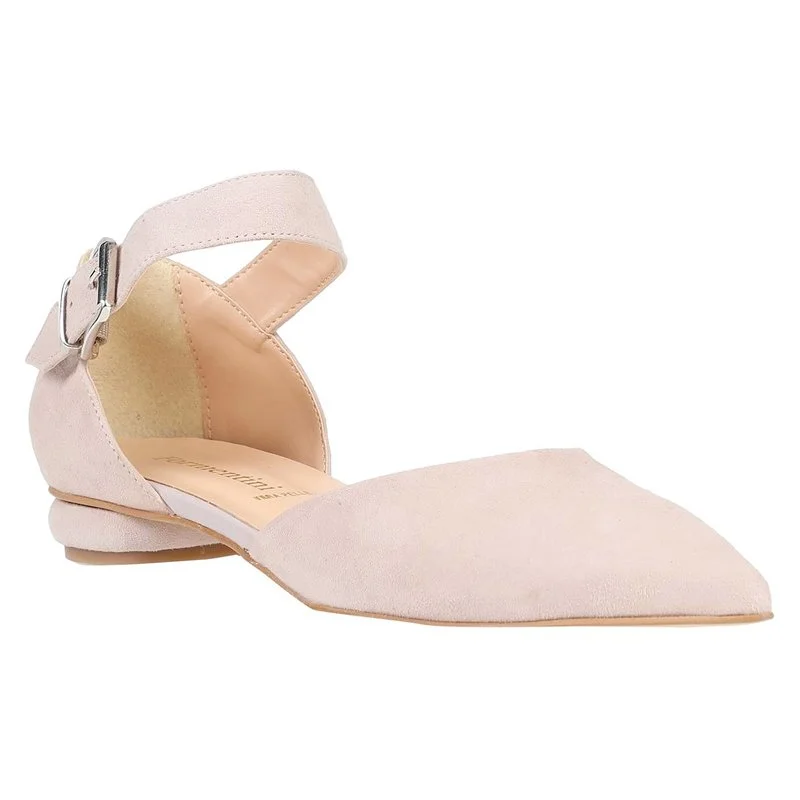
It's our Shop the Look: Spring Fashion Edition! We've collected some of our favorite items, like stylish dresses, skirts, shoes, totes, and more!

9 Ways to Make Your Interior Design Portfolio Shine

As an interior designer, your portfolio is your most valuable marketing tool. It showcases your skills, creativity, and professionalism to potential clients and collaborators. But merely having a portfolio is not enough. You need to make it shine and speak for itself. Here are nine ways to achieve that:

1. Curate your projects carefully. You don't have to include everything you have done in your portfolio. Choose the projects that best represent your style, strengths, and diversity. Ideally, you should have at least five to ten projects with photos that tell a story and show the process and outcome of your design. Make sure that your portfolio reflects your target audience and niche.

2. Invest in quality photography. Your portfolio is only as good as your photos. Therefore, it's best to hire a professional photographer or otherwise learn how to take good photos yourself. Make sure that your photos are well-lit, well-composed, and in focus. Avoid using filters, heavy editing, or low-resolution images. You want your photos to be realistic, accurate, and appealing.

3. Use a clean layout. Your portfolio should be visually pleasing and easy to navigate. Use a layout that accentuates your photos and lets them breathe. Avoid clutter, too many fonts, different colors, or graphics. Use plenty of white space, grids, or templates to organize your projects. Adobe Illustrator and Canva are great tools and offer templates, or you can purchase one on Etsy. Make sure that your portfolio is mobile-friendly, accessible, and optimized for SEO.

4. Create in multiple formats. To ensure that your work reaches a wider audience, it's a good idea to have your portfolio available in various formats. While your website and social media profiles can serve as a digital portfolio, consider expanding your options with formats such as a printable PDF. Another alternative is creating a corporate video that provides a glimpse of your team and some of your notable projects. For those with an extensive collection of projects, a bookazine may also be a great way to showcase your work in a tactile and visually appealing format.

5. Use a consistent brand identity. It's crucial to have a consistent appearance across all of your marketing materials, including your portfolio, website, and social media profiles. This includes using the same text fonts throughout to maintain a cohesive look and feel. By having a strong brand identity kit, you create a sense of professionalism and reliability. Consult a graphic designer for help putting together an attractive and complete kit.

6. Tell a story with your projects. Your portfolio should not be just a collection of photos. It should tell a story about your design process, inspiration, challenges, and solutions. Use captions, headings, or descriptions to provide context and insights into your projects. Share your design philosophy, values, and goals. Show your potential clients why you are different and why they should hire you. Just keep in mind that the photos are the main attraction, so the text should take up minimal space.

7. Show your versatility and range. Your portfolio should include projects that demonstrate your ability to work with different styles, spaces, budgets, and clients. Show your creativity, innovation, and problem-solving skills. Highlight your strengths and unique selling points. Be proud of your accomplishments and don't be afraid to show them off.

8. Only use your own photos. If you don't have many completed project photos yet, you can still showcase your skills, creativity, and vision by creating concept designs, mood boards, or sketches of your dream projects. 3D renders can also be an excellent substitute until you have more photos. Collaborating with other designers, photographers, or artists to create joint projects or mock-ups is another option to demonstrate your abilities. That being said, many interior designers like to share other designers’ work on social media as another way of showing what inspires them, but always giving due credit.

9. Include your contact information and a call to action. Your portfolio should also be a marketing tool that encourages potential clients to contact you. Therefore, make sure that your portfolio includes your contact information, such as your email, phone number, website, or social media. Make it easy for clients to reach you and learn more about your services. Also, include a call to action, such as "Schedule a consultation," "Get a quote," or "Learn more." Encourage your viewers to take action and engage with you.

Your portfolio is a representation of your design business and should reflect your brand, style, and professionalism. It is, in essence, your virtual showroom, and should capture the attention of potential clients and collaborators, making them excited to work with you. So, dedicate the time, effort, and resources that it takes to make your portfolio shine.

xx, Danae

Mix Up Your Morning Coffee Routine

Is coffee fueling your mornings, or even your entire day? While there's no denying that a cup of coffee can be a great way to start your day, there are reasons to switch things up. Whether you want to cut back on your caffeine intake or simply try something different, there are plenty of appealing alternatives, each with unique flavors and health benefits, that could become a new staple in your morning ritual.

Green Tea

Green tea is a popular alternative to coffee, with its distinct flavor profile and health benefits. It is rich in antioxidants and has a calming effect (but won't put you back to sleep).

Matcha

Matcha is a type of green tea that has recently surged in popularity, rich in antioxidants and with a unique, earthy flavor. It is often served as a latte, making it a great alternative to coffee for those who enjoy a creamy, frothy beverage.

Black Tea

Black tea comes in many varieties, including those that taste like cappuccino, such as Teeccino. It has a bold flavor and less caffeine than coffee, making it an ideal option for those looking for a change of pace. 

Kombucha

Kombucha is a fermented tea that has a tangy, slightly sweet flavor, often available in different flavors. It's packed with probiotics, so it’s an excellent choice for those looking to boost their gut health.

Chicory Coffee

Chicory coffee is made from the root of the chicory plant and has a rich, nutty flavor that can satisfy your coffee craving without the caffeine. Plus, it comes in instant powder form, making it quick and convenient.

Golden Milk

Golden milk has a warm, spicy flavor and is made with turmeric, which has anti-inflammatory properties, along with other spices. It's perfect if you want to enjoy a comforting, healthy morning drink.

Lemon Water

Lemon water is a simple, refreshing alternative to coffee. It's hydrating, high in Vitamin C, and can help to flush out toxins from your body.

Yerba Mate

Yerba mate is a traditional South American drink that's high in caffeine and has a grassy, slightly bitter flavor. Give it a chance, and it just might be your new favorite morning drink that provides a boost of energy.

Mushroom Coffee

If you must have your coffee but still want to try another variety, mushroom coffee is made with powdered mushrooms (without actually tasting like mushrooms) and is said to have a number of health benefits, including improved focus and energy.

One last word: whatever alternative you choose, the most important thing is to find a morning drink that makes you feel good. Pay attention to how your body and energy feel after trying different morning drinks, and be sure to savor a moment of leisure with your sips. So experiment with something new and see what it can bring to your day!

xx, Danae

Shop the Look: Spring Décor

The dreariness of winter can be such a bore; it's truly the change of spring that I adore.

Celebrate in style this Spring season with NEW decor!
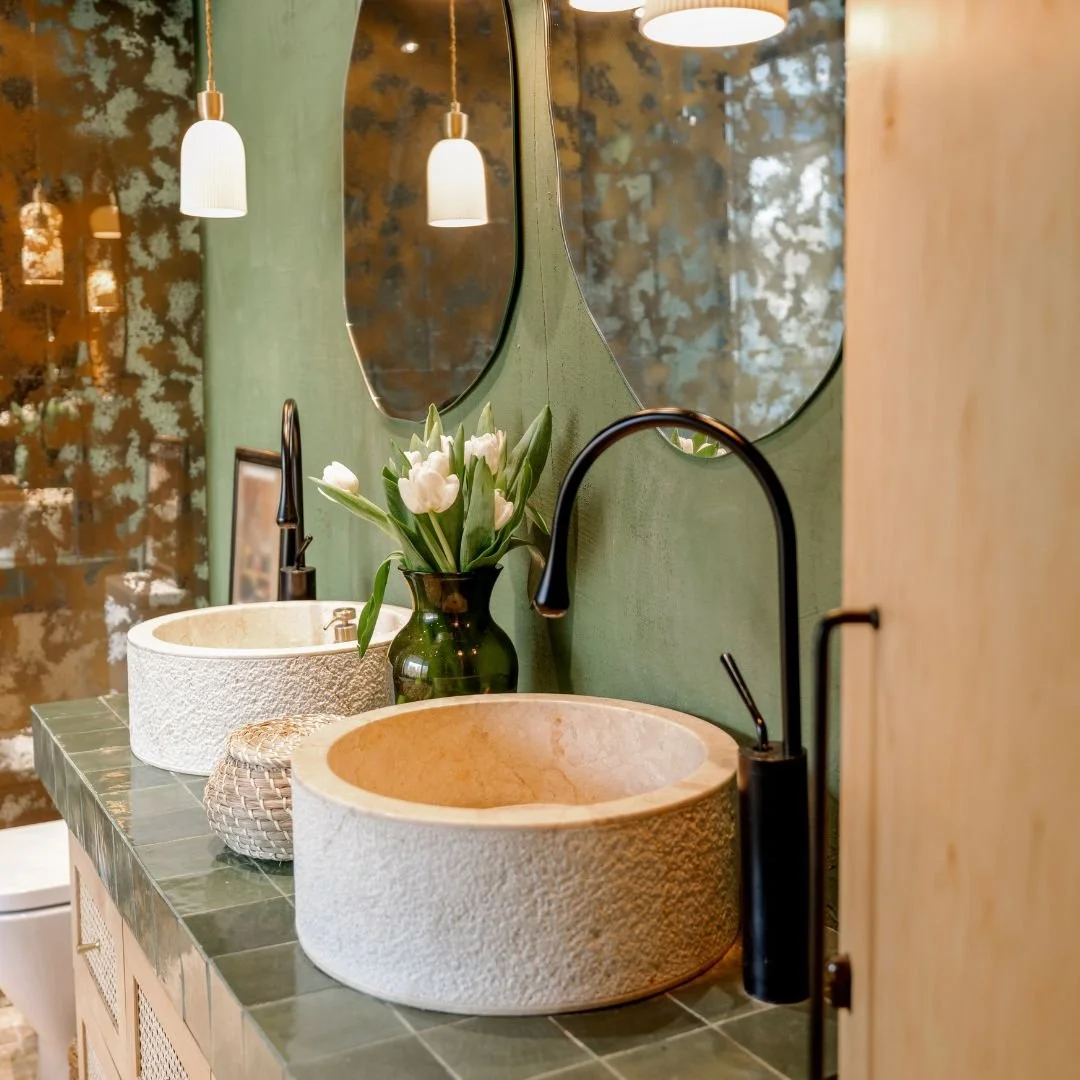
Check out our fresh decor collection of seasonal must-haves on our latest Shop The Look board!

Shop The Look: The Best Clothing + Items for Easy Vacation Traveling

With spring vacations on everyone's mind, let's go shopping for The Best Clothing and Items for Easy Vacation Traveling! We have curated some of our favorites, from bags to hats; we've got you covered!

A Sun-Filled Sojourn: Discover Australia's Lizard Island

Secluded within a national park and renown for abundant Australian flora and fauna, Lizard Island beckons both adventurers and leisure-seekers. A prime location on the Great Barrier Reef grants easy access to one of the world’s most coveted natural wonders, while ample amenities and services ensure indelible experiences. Explore the natural beauty or opt to lounge at the pool, beach, spa, or private chartered yacht for a truly unforgettable getaway.

Stay: While a variety of suites and rooms are offered, ultimate luxury is found at The House at Lizard. This modern three-bedroom villa features wellness amenities including outdoor baths, a private swimming pool, adjoining yoga deck, and a rooftop hot tub along with spacious bedrooms and floor-to-ceiling island views from every turn.

Staying at The House has its privileges, like the intuitive service of a Private Host who will curate your dream itinerary and attend to your every request, and a private chef and sommelier on-hand for all meals. Other notable inclusions are access to two private beaches, unlimited use of “Mojo” (a twin outboard Searanger boat), naturalist-led tours, chauffeured transfers to the resort and airport, and more.

Savor: Your all-inclusive stay includes gourmet meals, unlimited non-alcoholic beverages, wine, beer, and spirits, and an in-room mini bar. Multiple dining options are available from elevated to casual. Take in ocean views and a daily rotating menu at Salt Water, which serves up modern Australian fare infused with Asian flavors — all crafted with local produce and fresh seafood. For intimate, exclusive dining, reserve the Degustation Dining experience — available for only two couples per evening. Meet with your chef prior to dinner to discuss your seven-course meal and matching wine selection. Minimal service interruptions ensure ultimate privacy.

See & Do: The Great Barrier Reef is the world’s largest living coral reef system and the seventh Wonder of the World. Snorkel, scuba dive, or swim with schools of colorful fish and other ocean life among a rainbow of coral. Snorkeling gear is available for the duration of your stay, along with a selection of dive charters and scuba classes. For those who prefer to stay dryer, rent a sea kayak, which offers a window into the underwater world from above the waterline.

Getting There: Scheduled twice daily, take a scenic 60-minute flight between Cairns and Lizard Island — with aerial views of the Great Barrier Reef, the flight is a highlight of the journey.

For more information on this trip please feel free to contact Staci Spittler with Travelstix at staci@travelstix.com. More on Staci here - Signature Travel Network.

xx, Danae

What's New Industry Partners!

I am always trying to find products and services in addition to what we offer at Elite Design Assistants in the interior design industry that would greatly benefit all designers. Below is a list of some great products and services that many of our clients use. I am an affiliate for most of them so I do get a commission if you purchase from my link.


NEW! The Key – Fee Calculator

The Key is a FEE CALCULATOR from interior designer business coach Nancy Ganzekaufer. Whether you work on e-design, décor only, new builds, remodels or full-service, The KEY does the math for you!  

  • Enter Your Desired Hourly Rate

  • Estimate Hours Per Room

  • Estimate Sales Tax on Services and/or Goods

  • Estimate Furniture / Décor Investment


OPENING SOON! The Standard

Grow your firm into a thriving luxury design business while giving yourself more freedom, creativity and joy. The Standard is a course that walks you through streamling and organizing your process, attracting your idea high-end luxury clients and provides you all the templates and information you need to start landing luxury clients NOW!


Metrique Solutions – The Ultimate Money Dashboard

This is perfect for scaling your service-based business, especially if you aren’t a ‘money person’. This platform integrates with your most-loved financial tools and puts all your money data in one easy-to-understand dashboard.


The Designer’s Collaborative – Buying Group

I’m always asked about buying groups/clubs and this is one I recommend! Many of my clients use The Designer’s Collaborative and I’ve always heard great things! Tell them Danae sent you. 😊


SideDoor

SideDoor is a behind-the-scenes service for independent interior designers, e-designers, stagers, and home influencers. They built proprietary tools that allow you to share your favorite products directly with clients and to make your website and social media pages shoppable. As of the time I wrote this (2/7/23) there are over 4,000 users, 150 vendors and the average commission is 30%. Create your own online shop using SideDoor and make some passive income!


If there are other products and services you are searching for, please let me know! We love researching the industry to find the best recommendations to make interior designers lives easier and more joyful!

xx, Danae