Are You Left-Handed? And Other Overlooked Questions for Design Clients

Getting to know your clients inside and out is key to creating a space that truly feels like them. The initial consultation process can feel like a balancing act—sometimes fun, sometimes overwhelming, usually both.

While clients may come prepared with ideas and inspiration, it’s the designer’s responsibility to dig deeper, asking the right questions to not only capture the overall vision but also to uncover those finer details that clients might overlook. And although there are surely thousands of questionnaire templates available out there designed to help you with this, many of them surprisingly miss some of the perhaps less obvious points.

So, how many of these questions are you already asking your clients?

1. Are you right-handed or left-handed?

This might seem like a small detail, but it can have a big impact on the design. Knowing their dominant hand helps in planning everything from the direction cabinets open to the layout of the workspace, making everyday tasks more intuitive and comfortable.

2. How do you interact with your surroundings—are you tactile, visual, or auditory?

Understanding if your client is more hands-on, visually oriented, or sound-sensitive helps tailor the space to their natural preferences. For example, a tactile person might appreciate rich textures, while a visual person could benefit from a space with strong visual elements and organization.

3. What’s your ideal noise level at home or in different rooms?

Noise can be a deal-breaker when it comes to comfort at home. Whether your client craves silence or loves background noise, knowing their noise level preference helps you choose the right materials and layout to either insulate sound or let it flow. 

4. Do you have any allergies to be aware of?

Allergies can sneak up in unexpected ways—certain fabrics, finishes, or plants might trigger them. By knowing your client's allergies upfront, you can make sure their space is a safe haven. Even ask about food allergies–you wouldn’t want to send them a dangerous holiday gift basket!

5. Are there any specific scents that you associate with comfort or relaxation?

Scents are powerful in setting a mood and forgotten far too often in the scheme of interior design. Whether it’s the smell of fresh linen, lavender, or wood, incorporating your client’s favorite scents can make their space feel instantly more welcoming and personal.

6. How can your daily rituals or routines be elevated through your space?

Daily routines are where life happens, so why not make them more enjoyable? Whether it’s a morning coffee ritual or a nightly wind-down, designing a space that enhances these moments can make everyday life feel just a little more special. 

7. How do you use your space differently during the week compared to the weekend?

Your lifestyle can shift dramatically between weekdays and weekends. Knowing how your clients transition from work mode to relaxation or entertaining mode helps to create a flexible space that adapts to their needs.

8. What’s a comfort habit (like a cozy reading nook or late-night snack station) you indulge in?

Everyone has that one comfort habit they love. Designing around these little indulgences, whether it’s a cozy nook for reading or a perfect spot for late-night snacks, makes the space feel more like home.

9. What brands are you drawn to when it comes to clothing, cars, etc.?

The brands your client loves can tell you a lot about their taste and style. Whether they lean towards sleek and modern or classic and cozy, these preferences can guide the overall aesthetic and feel of their space. 

10. Do you like the idea of secret spaces or hidden compartments?

Who doesn’t love a good secret space? Hidden compartments or clever storage solutions can add a fun, whimsical element to a design, while also serving practical purposes, like keeping clutter out of sight. 

No detail is too small when it comes to making your client’s space feel truly theirs. By getting into the nitty-gritty details early on, you’ll set yourself up for a smoother design process and your clients will love you for going the extra mile. It’s all about those thoughtful touches that make a space feel like home.

xx, Danae

How to Design Happy Havens with Dopamine Decor

Interior design has always been about more than just function—it’s about creating spaces that make us feel good. Recently, this idea has reached a new level in the form of a trend known as Dopamine Decor. It’s no longer just about making sure colors complement, storage is practical, and lighting is pleasant. Now, it’s about infusing big splashes of pure delight. Because, honestly, why shouldn't we?

What is Dopamine Decor?

Dopamine decor takes its name from dopamine, the feel-good neurotransmitter that’s associated with pleasure and reward. The idea is to design spaces that trigger these positive feelings. It stands for personal expression, happiness, and generally making you feel amazing in the space. And it also carries a connotation of vibrancy and awakeness, so naturally, there are brighter colors, bolder patterns, and unexpected touches.

Why is it Trending?

As it goes with trends, they only last so long before shifting (even if they do end up coming back). After several years of channeling serenity and elegance through neutral minimalism, people are craving comfort in special spaces that reflect their personalities and passions. One might also speculate that this trend is influenced by a broader societal trend towards incorporating dopamine-inducing and stimulating elements into our lives. In any case, more and more clients are pointing to bold, fun accents to brighten up their dwellings.

How to Design With Dopamine Decor 

Color Explosion: Introduce bold and bright colors. Think tangerine, fuchsia, teal, and sunny yellow to lift spirits and add a fun, energetic vibe. For example, suggest a bright teal kitchen or patterned wallpaper in the living room. You can also try color drenching, using one color across multiple surfaces to create a cohesive and immersive space.

Play with Patterns: Combine different patterns, like stripes with florals or polka dots with abstract designs, balanced with solid colors to avoid visual chaos. Picture a living room with a floral couch, striped pillows, and a bold, geometric rug. Mixing textures like velvet cushions with wooden furniture or a shaggy rug with sleek metal accents adds depth and interest to the design.

Have Fun with Shapes: Incorporate geometric patterns, squiggly or scalloped lines, or unusual forms to create a playful and dynamic environment. Use furniture with rounded edges, like a curvy sofa or an organic-shaped coffee table, to add softness and whimsy. Wall art featuring abstract shapes or a rug with bold, geometric patterns can also enhance the playful vibe.

Add Personal Touches: Fill the home with items that hold sentimental value or simply make them smile. Family photos, travel souvenirs, or quirky thrift store finds add unique, personal touches. DIY elements like painting a mural on a feature wall, crafting custom cushion covers, or upcycling an old piece of furniture with vibrant paint also work well.

Bring Nature Inside: Add greenery with plants. They reduce stress and improve mood while adding a splash of color. Consider low-maintenance options like pothos or snake plants. Using materials like wood, stone, and natural fibers helps ground the vibrant decor, creating a harmonious and inviting environment.

Make It Functional and Fun: Keep things organized with colorful bins, patterned boxes, and quirky hooks that serve both functional and decorative purposes, adding to the joyful aesthetic. Incorporate fun, interactive elements like chalkboard walls or magnetic boards where family members can leave notes and drawings, personalizing the space and keeping it dynamic. 

Adding Unexpected and Humorous Elements: Sprinkle in unexpected or humorous elements. These touches can surprise and delight, adding unique charm and personality.

What if it feels like…a bit much? 

Stress not! Dopamine decor doesn’t have to be maximalist or overloaded. It can be subtle without compromising your signature style. Sometimes a small splash of color can bring out the best in an otherwise subdued-tone room. Try a bold accent chair or a funky lamp as a statement piece to uplift the room's mood. You can reserve the louder designs for bathrooms or laundry rooms. You can also experiment with things like colorful hardware or picture frames to dip your toes into the trend.

Final Tips

  • This trend isn’t just “the more, the better.” You’ll still need to use your expertise to create harmony and avoid overload.

  • Take the whole sensory experience to the next level by adding an energizing, feel-good scent to the space.

  • Take the time to get to know your clients well enough to be able to incorporate those personal touches into their space.

  • Have fun with it!

xx, Danae

Studio Designer Acquires Mydoma: What This Means for Your Design Firm

Written by: The Studio Designer Team

Originally Published on July 25, 2024 here.

Studio Designer the leading business management software platform for interior designers, today announced it has acquired Ottawa, Canada-based Mydoma, a leading project management and design business platform for interior designers. Together, Studio Designer and Mydoma support nearly 20,000 interior designers across the United States and Canada, creating the design industry’s #1 business management software platform for residential designers.

Studio Designer features integrated project management, time-billing, and payment solutions with a full GL accounting system. More designers, bookkeepers, and accountants leverage Studio Designer than any other solution to perform an expansive set of functions, from creating the first client presentation to accounting for the final invoice. This is why Studio Designer is relied upon by more than 15,000 designers, including many of the industry’s largest and most well-regarded firms, including Ken Fulk, Pembrooke & Ives, and Nate Berkus.

Mydoma’s focus on delivering exceptional solutions for lead generation, project management, and time tracking has led the company to great success, particularly with smaller firms or those that have recently formed. Studio Designer and Mydoma together will be able to support design firms at every stage of their journey, from Day 1 to AD100.

“For over 30 years, Studio Designer’s mission has been to empower designers’ creativity with innovative digital solutions. Sarah and the entire Mydoma team share this mission. We look forward to working together to develop new tools that will enable designers to create beautiful work while running successful, profitable businesses at every stage of their design careers. We are incredibly excited to bring Mydoma into the Studio Designer family,” said Keith Granet, Founder and CEO of Studio Designer.

The two companies will form the largest product, technology, and service team dedicated exclusively to creating business management software solutions for interior designers. This will translate to greater capabilities to deliver new, innovative features to designers, and provide even greater levels of customer support and design business education opportunities. By incorporating Mydoma into Studio Designer’s expansive product and service offerings, design firms of all sizes and stages of growth will find a solution that enables them to operate at their best.

“As a former interior designer, I was inspired to create Mydoma to solve the challenges that I experienced firsthand running my own firm. Over the last ten years, we are proud to have built an industry-leading product used by thousands of designers across the US and Canada. We are thrilled to join Studio Designer, which shares our values and mission to enable designers to spend less time managing and more time designing. Our future is bright as part of the Studio Designer community,” Sarah Daniele, Founder and CEO of Mydoma.

Best Practices for Delegating Drafting to a Virtual Design Assistant

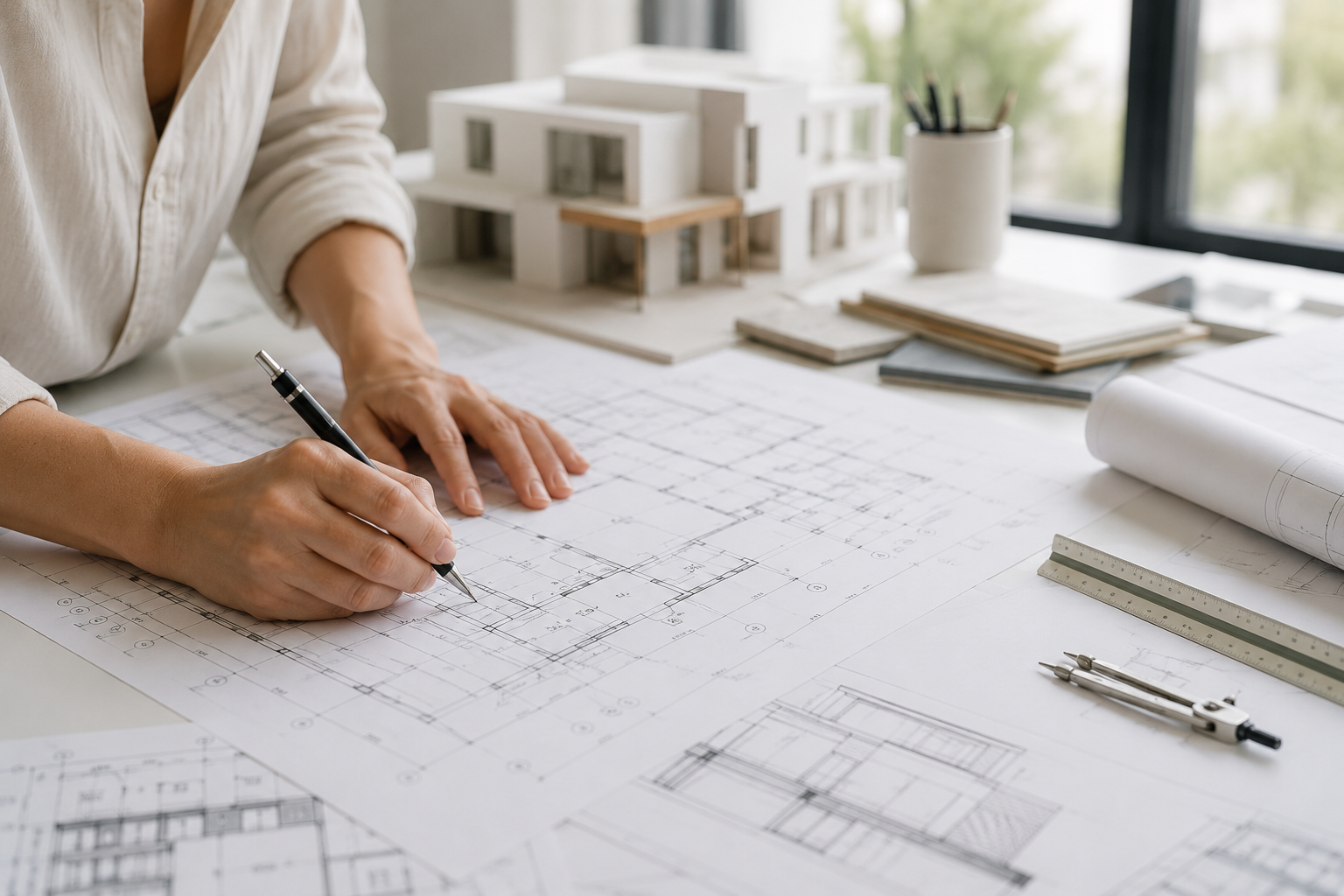
Outsourcing drafting tasks to a virtual design assistant (VDA) can be a game-changer for interior designers. Imagine freeing up your time to focus on the creative and strategic aspects of your projects while a skilled VDA handles the technical drawings. It sounds fantastic, right? It is. But to make the most out of this collaboration, there are a few best practices to keep in mind. Here’s a breezy guide to help you make this process go smoothly.

1. Finding Your Perfect Match

First things first—finding a VDA who is a good fit for your drafting needs is fundamental. Start by asking about their proficiency with different drafting programs. Are they wizards with AutoCAD, or perhaps they excel with SketchUp or Revit? Elite Design Assistants can match you with a VDA who is proficient with the programs you use. But don’t be shy to request a work sample. A little peek into their portfolio will give you an idea of their style and precision.

2. Sharing Your Standards

Once you've found your VDA match, it’s time to share your CAD standards. Provide them with a sample CAD file that includes your text and dimension styles, layers, and any templates you use, including page names and title blocks. This step is like handing over your secret recipe—it keeps things consistent and saves time in the long run. Keep in mind, this initial phase involves a bit of a learning curve as your VDA gets acquainted with your firm's unique methods. Even if your methods are "industry standard," they might differ from other designers’ standards. So, be patient during this setup period. Once they’re up to speed, you’ll have a valuable partner in your drafting workflow.

3. Detailing Your Expectations

Communication is key! Be clear about the level of detail or precision you require for each project. For initial concepts, a simple shell or rough sketch might suffice. However, as the project progresses, you might need precise shop drawings that are accurate to the last fraction of an inch. And if you desire intricate hatch textures for added visual detail, let your VDA know upfront. Let them know if you have a maximum time budget for a particular task. This transparency will help them prioritize their efforts effectively and avoid mismatched expectations.

4. Sharing Peripheral Resources

Help your VDA get the full picture—literally. Share project photos, inspiration boards, or any other resources that shed light on the design concept and objectives. This broader context will help your VDA understand the nuances of the project and align their work with your vision. The more they know, the better they can tailor their drafting to suit your needs.

5. Managing Files and Formats

Set clear guidelines on where your VDA should save or store CAD files and in what formats. Do you have preferred file naming conventions they should be aware of? Whether it’s a shared cloud drive or a specific folder structure, a well-organized system prevents headaches down the road. Agreeing on the right formats also ensures compatibility and smooth integration into your workflow. Make sure you have a copy of the CAD files as they become updated in case you wish to pick up on their progress at any time. Just make sure you coordinate file versions in order to avoid lost progress.

6. Setting Deadlines and Expectations

Establishing deadlines is essential, but it’s equally important to be realistic. Provide your VDA with a reasonable timeframe to complete their work. This consideration not only builds a healthy working relationship but also leads to higher quality output. And remember, every project may come with its share of questions, especially at the beginning.

7. Welcoming Questions

Expect there to be questions. And that’s a good thing! A diligent VDA will seek clarification rather than making assumptions. Make yourself available to answer these queries. Establishing preferred methods of communication and regular check-ins can streamline this process. This proactive approach keeps everyone on the same page and ensures any issues are promptly addressed.

A few final tips!

  • If you’re delegating several tasks or projects, let your VDA know the order of priorities.

  • Consider video call meetings to batch-discuss tasks and questions whenever possible, as it’s usually much more efficient than emailing back and forth!

Delegating drafting tasks to a VDA can significantly lighten your workload, providing both relief and invaluable support in your daily work and overall process. Sound good? Reach out to us today for a free consultation with a VDA perfectly suited to your needs!

xx, Danae

How Location Can Influence Design Aesthetics

As an interior designer, you know each project comes with its unique set of challenges and opportunities. Whether you've recently moved your business across the country and are getting to know your new local landscape, or you're tackling projects in far-off places, it's easy to be surprised by the different demands and priorities that come with each location. From climate and culture to available materials and local lifestyles, let’s chat about how different locations can shape your design approach.

Comfort by Climate

Climate impacts so many aspects of design, from materials to color schemes and room priorities. For instance, in hot and humid climates like the Southeast, using materials that resist moisture, such as treated woods, tile, and composite decking, can help prevent issues like mold and mildew. Ventilation systems and dehumidifiers are also key elements in these homes.

In contrast, dry, sunny areas like the Southwest might use UV-resistant materials to prevent fading and wear. Thermal mass materials such as adobe or stone are great for stabilizing indoor temperatures by absorbing heat during the day and releasing it at night.

Color choices can also reflect the climate. In Scandinavia, for example, light colors are used to brighten up interiors during the long, dark winters. Soft whites, pastels, and natural woods can make spaces feel more open and cheerful.

Different climates also shift the focus to certain areas of the home. In warmer regions, outdoor living spaces like patios and gardens are often the highlight, complete with shaded areas and comfortable seating. In colder areas, a cozy sunroom or a spacious mudroom to handle snowy boots and coats can be more practical.

And of course, features like fireplaces, pools, and saunas are closely tied to climate. Fireplaces and wood stoves are beloved in colder climates, while pools and outdoor kitchens are big hits in warmer areas. Saunas, often associated with colder regions, can provide a comforting retreat from the chill.

Urban Trends vs. Rural Inspirations

Trends often start in big cities and then spread to smaller towns and rural areas. Cities are hotspots for innovation and cultural fusion, so they’re the first to adopt new styles. Think about the minimalist, industrial vibe of lofts in New York or the sleek, modern designs seen in Los Angeles – these trends catch on in metropolitan areas and gradually influence broader design aesthetics.

However, it’s important to recognize that clients in more rural areas might not be ready to jump on certain urban design trends, and that’s perfectly fine. Rural clients often prefer designs that reflect their surroundings and lifestyles. Picture a quaint farmhouse in the Vermont countryside with rustic wooden beams and charming, cozy details. Or consider a coastal cottage in Maine, with its nautical themes, weathered wood, and breezy color schemes that mirror the seaside landscape. Understanding and respecting these preferences can help you create spaces that resonate with your clients.

Of course, these are just general trends. You can find people with all tastes and preferences in any location. Sometimes, clients want their home to feel like an escape, contrasting with the local environment. For example, a beach-themed house in the mountains can create a unique and personal retreat.

Lifestyle & Recreation

In places where outdoor activities like skiing, hiking, or fishing are popular, you’ll often see these influences reflected indoors. A mountain lodge in Colorado, for example, might feature a lot of natural wood, stone fireplaces, and rustic decor elements that nod to the local way of life. Homes in these areas often have specialized spaces like ski rooms or gear storage areas to keep outdoor equipment organized and the main living spaces clutter-free.

In coastal areas, homes might have a nautical theme. Light, airy spaces with blues and whites, maritime decor, and plenty of natural light help blur the lines between indoor and outdoor living. Outdoor showers and spacious decks for sunbathing or dining are common features, perfect for enjoying the coastal lifestyle.

Recreational hobbies also shape interior design. A home in a golfing community might feature a stylish den with golf memorabilia, while a house near vineyards could have a dedicated wine-tasting room or cellar. In areas where horseback riding is popular, you might find mudrooms designed with equestrian gear in mind.

Cultural Touchstones

Cultural traditions and practices play a big role in shaping design aesthetics. In the US, regional influences can be seen across different areas. In the Southwest, for example, there's a rich blend of Native American and Mexican cultures. You might see vibrant colors, geometric patterns, and a mix of natural materials like leather, wood, and stone.

In the Southern states, you might find elements that reflect classic colonial architecture. This could include grand columns, expansive porches, and traditional furnishings that harken back to historical roots. 

In New England, historical influences often play a part in design choices, with Colonial and Federal-style elements like brick fireplaces, wood paneling, and antique furniture. This connection to the past adds depth and character to the homes.

Sometimes, cultural influences are imported. For example, low-to-the-ground Japanese-inspired dining or sleeping furniture can introduce a sense of tranquility and simplicity. Another example is the popularity of Moroccan-style poufs and lanterns, which bring an exotic, global flair to interiors.

Local Materials & Craftsmanship

The materials and craftsmanship available in a region can steer design choices. In the Pacific Northwest, for example, you have an abundance of beautiful wood like Douglas fir, cedar, and redwood. These materials are not only sustainable choices but also reflect the natural beauty of the region.

In the Southwest, adobe and clay tiles are common, offering excellent thermal properties suited to the hot, dry climate. These materials help create homes that are functional and visually harmonious with the local landscape.

In the Appalachian region, stone and reclaimed wood are often used, celebrating the rustic, earthy aesthetics of the area. Reclaimed barn wood can add a touch of history and personality to designs, making spaces feel warm and lived-in.

In urban centers like New York or Chicago, you might find more industrial materials such as steel, glass, and concrete being used creatively in loft conversions and modern apartments. These materials reflect the city’s architectural heritage and bring a sleek, contemporary feel to interiors.

What regional style or preferences differences have you noticed?

xx, Danae

Best Practices for Delegating Procurement to a Virtual Design Assistant

For busy interior designers, delegating procurement-related tasks to a Virtual Design Assistant (VDA) can be a total game-changer. While it might feel a bit daunting to hand over certain responsibilities, it's also a huge relief to unload that mental burden. Luckily, many VDAs are seasoned pros who specialize in procurement, handling everything from purchasing to invoicing and order tracking. They've successfully managed these aspects for countless designers, so you're in good hands. With a little upfront effort to onboard your VDA and align on your processes, you'll be set for smooth sailing. Here’s your guide to the best practices for outsourcing your procurement tasks to a VDA!

Software

Even if your VDA has experience with the platforms and project management software you use, every designer operates differently.

  • Walk-Through: Provide detailed training on how you use your software, highlighting specific features and customizations.

  • Provide a Manual: Delegation becomes much more streamlined when you have a manual document you can share and that your VDA can reference anytime.

Access to Accounts & Resources

To perform their tasks effectively, your VDA needs access to various accounts and resources.

  • Project Management Platforms: Grant access to your project management tools.

  • Trade Logins: Provide logins for supplier websites and trade accounts.

  • Cloud Folders: Share relevant cloud folders containing project information.

  • Documents: Provide access to your resale certificate, COI samples, and other necessary documents.

Processes & Protocols

Set clear expectations for processes and protocols so that nothing falls through the cracks, and to avoid duplicate work.

  • Responsibilities: Define who is responsible for each task, such as purchasing, creating and sending invoices, and client communication.

  • Task Frequency: Define how often tasks like order tracking and invoicing should be performed.

  • Templates: Provide templates for Purchase Orders (POs), invoices, and emails.

  • Markup Policies: Explain your markup policies, including percentages and applicable conditions.

  • Tax Information: Share necessary tax-related information.

  • Warehouse Coordination: Outline procedures for coordinating with receiving warehouses.

  • Payment Processes: Detail how payments should be handled and recorded.

  • Delivery Notifications: Establish protocols for notifying clients or receivers about deliveries.

  • Damage Protocols: Set procedures for reporting and addressing damaged goods. 

Communication

Establish the who’s, what’s, when’s, and how’s of correspondence with all involved parties.

  • In-House Communication: Use a consistent method for sharing information within your team.

  • Vendor Communication: Set guidelines for how to communicate with vendors.

  • Client Communication: Define how to handle client interactions, including preferred methods and timing.

Project Briefing

Keep your VDA in the loop about each project by providing essential details.

  • Client Information: Share client names and contact information.

  • Addresses: Provide the project’s site address and accurate shipping addresses.

  • Project Timeline: Outline the project timeline and key milestones.

  • Communication Preferences: Note any specific communication preferences for the client.

Regular Check-ins

Regular meetings are key to maintaining an effective virtual working relationship.

  • Weekly Meetings: Schedule at least a 15-minute check-in each week to discuss progress and address any concerns.

  • Feedback Loop: Encourage open feedback to continually improve processes and collaboration.

Having well-defined processes will help both you and your VDA to work much more efficiently. Getting on the same page from the start makes all the difference when passing off the baton in the procurement phase of your projects. Then, enjoy the weight off your shoulders and focus on the creative aspects of your work!

xx, Danae

The Renaissance of Handcrafted Decor in Digital Times

It seems like the more immersed we find ourselves in extreme digitalization and artificial intelligence, the more we crave something a little more human. Isn't it fascinating how trends have their own counter-movements? Right now, amidst all the tech and automation, there's a growing love for the unique and the authentic in interior design—pieces that express that invaluable human touch. And isn't that the true essence of luxury? Something rare and a bit hard to come by?

So, let's explore why, in an era dominated by 3D printing and AI-generated art, handcrafted decor is making a remarkable comeback in the world of interior design.

Authenticity and Craftsmanship

There's a growing appreciation for items that tell a story through their imperfections and unique characteristics. Handcrafted decor items are often made by skilled artisans who invest significant time and care into each piece, making every item distinct.

Sustainability

This trend also aligns with increasing environmental awareness. Handcrafted items are often made from natural, locally-sourced materials, which appeal to consumers looking to reduce their ecological footprint. The process of creating these items tends to be more environmentally friendly, avoiding the large-scale industrial processes that are typical of mass production.

Cultural Heritage and Revival

Many consumers are turning towards handcrafted decor as a way to preserve and celebrate cultural heritage. Artisans often use techniques passed down through generations, which not only helps keep these traditions alive but also provides a cultural richness to modern interiors.

Personalization

In a digital age where personal touch is often lost, having something made by hand offers a personal connection. Consumers can often customize these pieces more extensively than mass-produced goods, allowing for a more tailored and intimate interior design experience.

Integration with Modern Design

While there is a pivot towards handcrafting, this doesn't mean a complete departure from modern aesthetics. Instead, there's a fusion where handcrafted elements are incorporated into modern designs, creating spaces that feel both timeless and contemporary.

What are some popular handcrafted interior design elements?

  • Custom Wallpaper: Hand-painted or block-printed designs that add a unique touch to any room.

  • Artisanal Ceramics: Hand-thrown vases, bowls, and decorative pieces that bring earthy textures into the home.

  • Wooden or Stone Sculptures: Carved or sculpted by skilled artisans in any variety of styles.

  • Handmade Tiles: For backsplashes or flooring, each tile is uniquely crafted, often with traditional techniques.

  • Decorative Metalwork: Includes items like custom door handles, light fixtures, wall art, and railings.

  • Handwoven Textiles: Including throws, rugs, and tapestries, each with unique patterns and weaves.

  • Bespoke Furniture: Tailor-made furniture pieces, crafted to suit specific spaces and personal tastes.

Incorporating elements like these can transform any space into something more welcoming and personal, giving it that lived-in, cozy feel we all love. Beyond just aesthetics, these handcrafted pieces lend a sense of intention and uniqueness to your design, making every corner feel specially curated. So, why not bring some of this artisanal charm into your next project?

xx, Danae

10 Unexpected Details to Elevate Your Designs

When crafting unique spaces, the magic often lies in the details. Unexpected touches can transform a room and create an environment that feels intentional and remarkable. And if you’re looking for fresh ideas that go beyond the standard fare, these 10 design detail ideas will definitely inspire you.


1. Unique Door Hardware

Door hardware isn’t just about functionality; it sets the tone for a room. Introduce unique shapes, finishes, or textures that make door handles stand out. Whether you prefer vintage glass or sleek, modern lines, or even organic shapes, door handles can become a defining feature of any space.

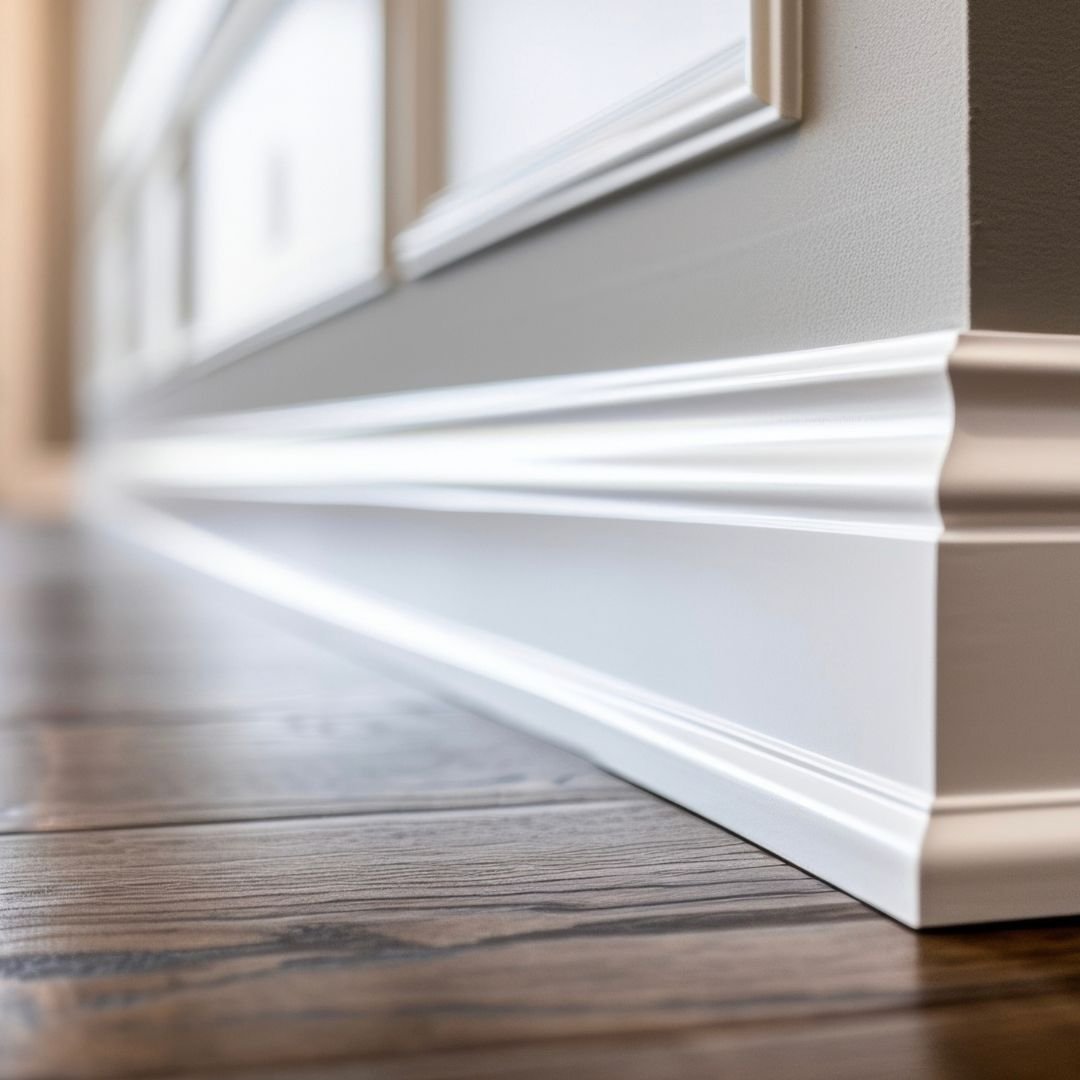
2. Oversized Baseboards

Say goodbye to skinny baseboards and embrace the bold beauty of oversized ones. Make them pop by choosing a striking paint color that contrasts with your walls. They not only ground a room but also elevate it to a whole new level. Plus, they look especially stunning in older homes, adding a charmingly authentic touch.

3. Beautiful Light Switch and Outlet Plates

Light switches and outlet plates are typically an afterthought, but elegant options can make them an integral part of a room’s aesthetic. Find ones that match or complement the chosen design style, whether the preference is for modern minimalism or something with a classic twist.


4. Decorative Air Vents

Vent covers can often feel like design obstacles, but with the right choice, they can become a lovely focal point. You could choose modern vents that blend in seamlessly, or embrace the opportunity for a beautiful design moment with decorative or custom grilles that reflect your personal taste.

5. Doorway Details

Arched doorways are beloved for good reason, but why stop there? Add molding or embellishments that highlight the curve, or bring in new architectural interest with beveled or paneled door frames. An elaborate doorway will draw people in like a warm invitation.

6. Custom Wallpaper

Wallpaper is back in a big way! For a truly unique look, go custom. Think about prints that reflect the personality of the homeowner, whether it’s a lush botanical or a minimalist abstract pattern. Custom wallpaper can make your space feel luxurious and meaningful.


7. Mirrored Surfaces

Mirrors are a designer's secret weapon, bouncing light around and making spaces feel larger and brighter. Try a mirrored backsplash in the kitchen or mirrored panels behind your shelving to create depth and a luminous glow.

8. Painted Stairs

Stairs are often underappreciated, but they can be a playful canvas for creativity. Dare to be bold by painting them in dramatic colors or patterns. You could go for a striking ombre effect, geometric shapes, or a strong solid color that adds energy to this area of transit.

9. Stand-Out Fireplace Mantels

A custom mantel can anchor a room and provide a compelling focal point. Design a mantel that complements the room’s aesthetic, or source an antique mantel with historical character. A distinctive mantel can set the tone for the entire living area.


10. Ceiling Medallions

Ceiling medallions are a great way to draw attention to light fixtures. Choose ornate designs for traditional settings or streamlined versions for a more contemporary feel. Medallions add an extra layer of elegance and amplify the impact of a statement light.


These unexpected details offer a range of ways to elevate any space and create a memorable impact. Whether working on large-scale projects or more intimate rooms, these enhancements will help deliver thoughtful and distinctive interiors.

Which is your favorite?

xx, Danae

Top 10 Ways to Monetize Your Interior Design Business

I get it, full-service design projects are the stars of the show. But branching out a bit can boost your income more than you might think. Diversifying your revenue streams can make your online presence more dynamic and attract a broader range of clients. Plus, exploring new avenues can inject fresh creativity into your workday. Here are ten effective ways to monetize your interior design business:

1. Designer for a Day

Ideal for designers who enjoy quick, impactful projects.

Offer a “Designer for a Day” service where clients can hire you for a set time to provide professional guidance on their design choices. This approach is perfect for clients on a budget and can lead to larger projects in the future​.

2. E-commerce Store

Great for designers with a knack for selecting unique products.

Launch an e-commerce store to sell curated home decor items, furniture, or your designs. This allows you to reach a global audience and generate revenue from product sales, leveraging your taste and expertise in home design.

3. Furniture or Fabric Line

Perfect for those wanting to establish their brand through product lines.

Collaborate with manufacturers to create your own line of furniture, textiles, or home accessories. This can provide continuous income and help set your brand apart in the competitive design market​.

4. Publish a Book

Ideal for designers who enjoy writing and have valuable insights to share.

Writing a book about your design philosophy, tips, and experiences can establish you as an authority in the field. You can publish traditionally or self-publish an e-book to reach your audience. Bonus points if it can double as a beautiful coffee table book!

5. Holiday Decor Services

Great for those who love seasonal decorating.

Offer holiday decor services to clients who want their homes or offices to look festive. This service can be a fantastic source of income and a fun way to engage with clients during seasons that can sometimes otherwise be slower.

6. Virtual Interior Design (E-Design)

Perfect for tech-savvy designers and DIY-friendly clients.

Provide virtual design services where clients send photos and measurements, and you provide design concepts and recommendations. This flexible, scalable model allows you to reach clients far and wide​.

7. Interior Design Workshops

Ideal for designers who enjoy teaching and interacting with others.

Conduct workshops to teach design principles, space optimization, and color coordination. These can be held in-person or virtually, catering to different audiences from homeowners to aspiring designers.

8. Blogging and Social Media

Perfect for designers who love sharing ideas and engaging online.

Start a blog or a YouTube channel to share design tips, trends, and project showcases. Monetize through affiliate marketing, sponsored posts, and ad revenue. This requires consistent content creation but can significantly boost your visibility.

9. Digital Products

Ideal for designers looking to generate passive income.

Create and sell digital products like design templates, mood boards, and e-books. These can be sold on platforms like Etsy or your own website, reaching a wide audience with minimal ongoing effort.

10. Subscription Services

Great for maintaining ongoing client relationships.

Offer subscription-based services where clients pay a regular fee for continuous design support, updates, and seasonal refreshes. This model provides steady income and keeps clients engaged with your services​.

Implementing these strategies can help you explore new markets and boost your revenue streams. Choose the options that align best with your brand and expertise, and start diversifying your interior design business today!

xx, Danae

Get More Clients with Elite Marketing
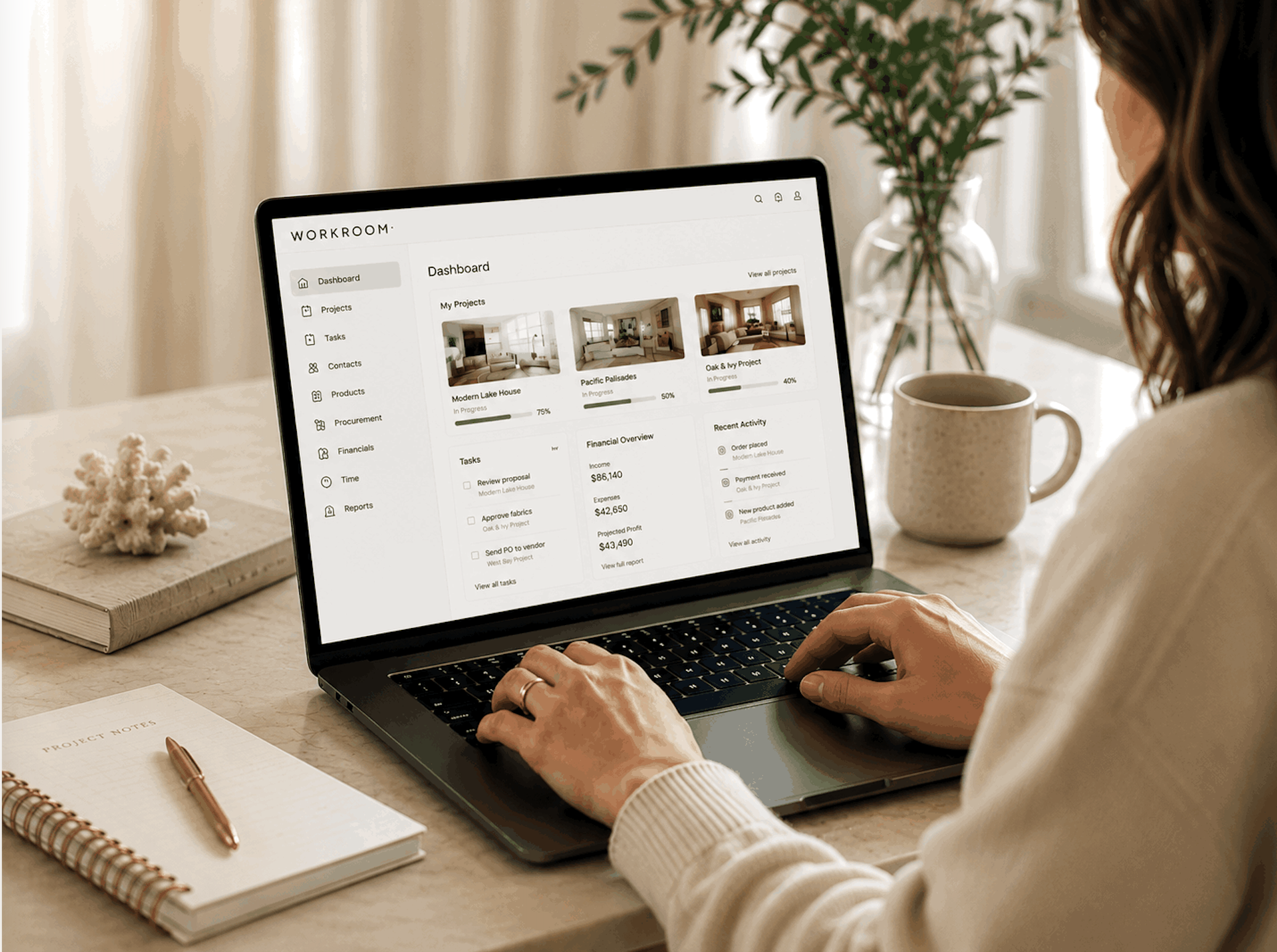
Are you in the market for more clients? I’ve been hearing from a lot of designers that they are now focusing on their branding and marketing strategies, coming up with an ongoing process that allows them to have a consistent funnel of clients.

We have become well-known in the interior design industry, and while a lot of our clients are looking for assistance with the below, we ALSO offer a variety of marketing services!

Our Popular Services

  • 3d renders

  • drafting

  • construction docs

  • sourcing

  • administrative

  • online business management

  • bookkeeping

  • copywriting

  • social media

Our Marketing Services:

  • marketing strategy

  • branding

  • creating logos

  • web design (Squarespace, Wix, White Label WordPress)

  • graphic design

  • e-commerce

  • SEO

  • advertising

  • influencer marketing

Our virtual assistants have several years of experience with these services. We are noticing an increased demand for marketing services and the great news is, we can help! So, whether you are a new interior designer needing marketing and branding or an established designer who is rebranding and/or needs marketing assistance, please let us know.

We can get you in contact with one of our marketing experts for complimentary calls so that you can determine if our services are right for you!

For more information on those services and some of the experts on our team that offer these services, please see the portfolio section of our website with the link below.

VIEW OUR PORTFOLIO OF SERVICES

 xx, Danae