Productivity Hacks That Are Actually Backfiring

When your creativity is on the clock, productivity hacks can seem like the much-sought-after holy grail of efficiency and time management for interior designers. The market is flooded with books and courses promising to unlock the secrets that will finally make all of the facets of your work fall into place. Of course, there's always room for growth, learning, and fine-tuning our routines. But there are some so-called productivity hacks circulating out there that, if not approached correctly, might paradoxically hinder your progress. Let’s look at six examples!

1. Excessive Multitasking

The ability to juggle client meetings, design drafting, and supplier negotiations all at once seems like a superpower. The truth is that, just like we don’t have chameleon eyes, our brains aren't wired to handle multiple tasks effectively at the same time. Research suggests that multitasking can lead to reduced quality of work, increased stress levels, and even a drop in IQ comparable to missing a night's sleep. For tasks that require deep thought and creativity, like designing a living space, focusing on one task at a time ensures the highest quality of work and innovation.

2. Zero Inbox Policy

The famous zero inbox policy is supposed to eliminate the stress of a cluttered email inbox by keeping it empty or nearly empty at all times. While this sounds ideal, the constant checking, sorting, and managing of emails to maintain an empty inbox can become a massive distraction. It interrupts the creative flow essential for interior designers, pulling their focus away from design work to attend to an endless stream of emails. Scheduling specific times for email management can help maintain focus on design projects without the stress of an inbox calling your name.

3. Social Media Scheduling

Hear me out on this one. I’m absolutely in favor of batch-planning your posts with a neat content or editorial calendar. However, an over-reliance on scheduled content risks making your brand feel impersonal and disconnected from your audience. Engaging with followers in real-time, sharing behind-the-scenes glimpses into your design process, and leaving a little room for the spontaneity of real life can foster a stronger, more genuine connection with your audience, even if it means spending a bit more time on social media.

4. Skipping Breaks to Work Through

The myth that working longer hours without breaks boosts productivity is just that—a myth. Especially for interior designers, whose work demands high levels of creativity and problem-solving, taking regular breaks is essential. Skipping breaks can lead to burnout and a noticeable decline in the quality of your designs. Short breaks throughout the day can refresh your mind, boost creativity, and ultimately enhance the quality and productivity of your work.

5. Overusing Digital Tools

Relying too heavily on digital tools for inspiration can limit exposure to tangible elements that might spark creativity. While software and apps can be incredibly helpful, over-reliance on them can stifle creativity. Sometimes, stepping away from the screen and working with physical models, sketches, or just playing with physical samples can spark inspiration in ways that digital tools cannot. Balancing the use of technology with traditional design methods is where it’s at.

6. To-Do Lists

Here’s another example of how it all depends on how it’s done. Creating to-do lists is a basic organization tool. But some designers actually procrastinate more by categorizing and segmenting their to-do’s in different ways when what they really need to do is dig in. Sound familiar? Try prioritizing a few key tasks each day that will make a significant impact on your projects and lead to more focused and high-quality work.

At the end of the day, every interior designer is unique, with different rhythms, preferences, and work styles. Experimenting, reflecting, and adjusting your approach based on personal experience and well-being is key to finding a sustainable and effective productivity strategy. Remember, the goal is not just to do more in less time but to enhance the quality and creativity of your work while maintaining a healthy work-life balance.

xx, Danae
Mastering the Art of Virtual Client Presentations: 12 Key Ways

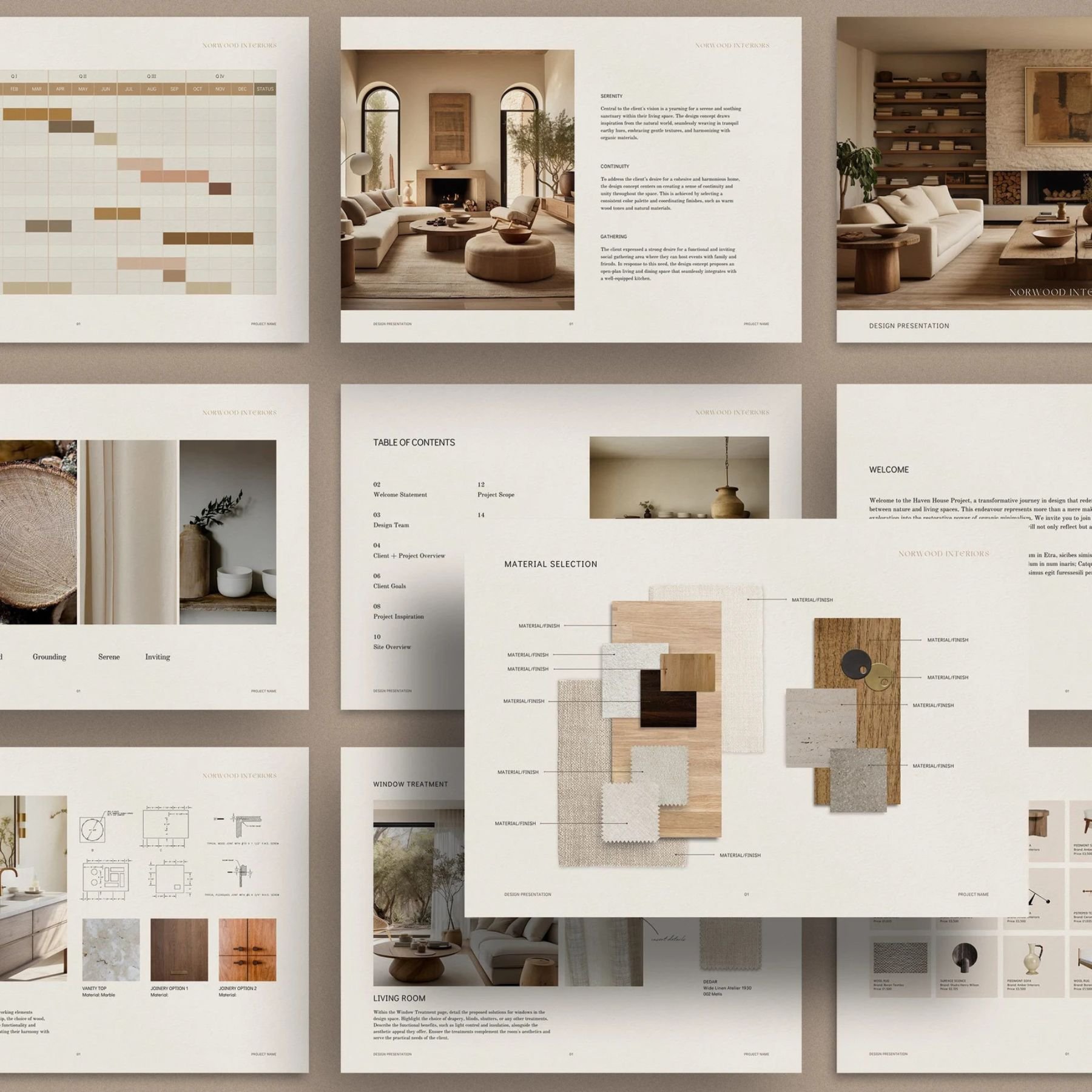
More and more, interior designers are opting for virtual design presentations, not just for their efficiency but also for the technological tools they offer. Given the crucial role these presentations play in forging client relationships and setting the project's design course, you want to have them down to a science. Today, I’m here to break down how to refine your virtual presentation skills to perfection, ensuring every slide strengthens your connection with your clients and clearly communicates your vision.

1. Choose Your Tools

For crafting those eye-catching presentations, programs like Canva, PowerPoint, Google Slides, and Milanote are some go-to choices. They offer versatility and feature user-friendly design capabilities. When it's time to present, platforms like Zoom, Google Meet, and Microsoft Teams are the frontrunners, all supporting the essential screen-sharing feature.

2. Format for Impact

A 16:9 aspect ratio is your best bet for a seamless full-screen experience across different devices. High-resolution content (think 1920x1080 pixels) ensures your designs are crisp and clear, both on screen and if printed. Discreetly embedding your logo on each slide adds a professional touch without being distracting. And don't forget the power of a strong opening with a cover page and a gracious closing with a "Thank You" page.

3. Tailor Your Templates

Starting with a well-crafted template ensures consistency, efficiency, and professionalism. But remember, customization is key. Each presentation should be a reflection of the project's unique characteristics, requiring tweaks and adjustments to the template to ensure your design's visual and textual elements are harmoniously presented.

4. Bring Textures to Life

Since clients can't physically interact with the materials, it's vital to include close-up images that capture the intricacies of textures and fabrics, or additional photos showcasing how a material looks under different lighting conditions or when applied in various settings. These visual aids are essential in bridging the sensory gap, allowing clients to appreciate the depth and quality of materials as if they were examining them firsthand.

5. Master the Layout

Achieving a balanced layout involves more than just arranging elements. Utilizing grids ensures everything is aligned and proportionally spaced, creating an aesthetically pleasing arrangement. Implementing a visual hierarchy draws attention to key aspects, and dividing your presentation into clear sections aids in narrative flow. A moderate use of labels and arrows can also be helpful, guiding the viewer's understanding without overwhelming them. Stick to one concept or theme per page to keep the message clear and digestible.

6. Prep Like a Pro

Before the meeting, define your presentation's agenda and objectives. Creating a bullet-point list ensures you cover all necessary points. A quick practice run-through can help avoid any hitches during the presentation, making for a smoother experience.

7. Simplify Your Language

Clear and simple language makes your presentation accessible to all clients, regardless of their familiarity with design terminology. Your tone should strike a balance between professionalism and approachability, showing confidence in your expertise while being open to feedback.

8. Detail Where It Matters

While being concise, don't shy away from detail where it enhances understanding or appreciation of your design. Furniture plans, key elevations, quality images, and even 3D views can elevate the client's understanding. However, limit options for product selections to avoid decision fatigue for your clients. It's your role to sift through the possibilities and present only the best options–and be able to plainly point out the virtues of each.

9. Screen Share the Right Way

Maintaining a polished and organized digital workspace is as important as your physical presentation space. Minimize distractions and protect privacy by closing unnecessary apps and tabs, using a dedicated user profile if needed. Sharing only the relevant application window or tab focuses attention on your content.

10. Feedback Is Key

Making plenty of space for feedback throughout the presentation ensures that no insights are lost or forgotten. Waiting until the end for comments can overwhelm clients and dilute the quality of feedback. Regular intervals for discussion keep engagement high, and it also gives you the chance to refine your approach based on their inputs as you go along.

11. Record the Insights

Make sure to capture all feedback. When a note-taker isn't an option, consider recording the session (with the client’s prior consent) or using transcription software like Otter.ai or the recording features in Zoom and Microsoft Teams. This ensures that no valuable insight is lost and that you can refer back to client feedback as your project progresses.

12. Follow Up

Sending a detailed follow-up email summarizes the discussion and outlines the next steps. It not only keeps the project momentum going but also serves as a clear record of decisions made and actions required, ensuring everyone is on the same page.

By integrating these strategies into your virtual presentations, you elevate not just the visual aspect of your work but also the collaborative and interactive experience with your clients. Each presentation becomes an opportunity to build trust, showcase your expertise, and move one step closer to realizing your client's vision and a design that you can be very proud of!

Happy Presenting!
xx, Danae

Save Time with Our Prewritten Content Templates for Interior Designers

In the world of interior design, time is precious. As a designer, you want to focus on bringing your clients' visions to life, not spending hours agonizing over blog posts and email content. That's where our prewritten content templates come in. We've curated 26 templates specifically tailored to interior designers, ready to be copied, pasted, and customized to fit your brand and business. Let's take a closer look at each template and how they can elevate your online presence effortlessly.

What is e-Design and How to Get Started

Explore the world of e-Design and learn how to seamlessly integrate it into your business model, opening up new opportunities for remote collaboration with clients.

BUY NOW

How to Add More Luxury to Your Home

Discover tips and tricks for infusing luxury into any space, from opulent fabrics to decadent accessories, and elevate your design game.

BUY NOW

How to Arrange a Gallery Wall

Master the art of gallery wall arrangements with step-by-step instructions and design principles to create visually stunning focal points in any room.

BUY NOW

Where to Buy Artwork and Accessories

Navigate the vast landscape of art and accessories vendors, uncovering hidden gems and trusted suppliers to elevate your design projects.

BUY NOW

How to Work Remotely with an Interior Designer as a Real Estate Investor

Learn how real estate investors can benefit from working with remote interior designers, maximizing property value and tenant satisfaction.

BUY NOW

Why You Need Plants in Your Home

Delve into the world of biophilic design and discover the myriad benefits of incorporating plants into your interior spaces, from improved air quality to enhanced well-being.

BUY NOW

Timeless Kitchens and Baths

Uncover timeless design principles for kitchens and baths that transcend trends, creating spaces that stand the test of time and delight clients for years to come.

BUY NOW

How to Choose the Right-Sized Rug

Master the art of rug selection with practical tips and guidelines to ensure the perfect fit for any space, enhancing comfort and visual appeal.

BUY NOW

Thank You for Subscribing

Craft the perfect thank-you message for new subscribers, fostering a sense of appreciation and engagement from the moment they join your community.

BUY NOW

Latest Design Trends for Current Times

Stay ahead of the curve with insights into the latest design trends shaping the industry, inspiring fresh ideas and innovative solutions for your projects.

BUY NOW

How to Choose the Right Paint Sheen

Navigate the world of paint finishes with confidence, understanding the characteristics of each sheen and how to choose the perfect one for your design scheme.

BUY NOW

Is Hiring an Interior Designer Worth It

Address common misconceptions and demonstrate the value of hiring an interior designer, empowering potential clients to make informed decisions about their design projects.

BUY NOW

How to Choose the Right Paint Color

Unlock the secrets of color theory and learn how to select the perfect paint colors to achieve your desired aesthetic and ambiance.

BUY NOW

New Standards of Working Together

Explore evolving industry standards and best practices for collaboration between designers, clients, and other stakeholders in today's digital landscape.

BUY NOW

Client Review Request

Craft a compelling request for client reviews, leveraging positive feedback to enhance your reputation and attract new business opportunities.

BUY NOW

Popular Styling Pieces

Highlight must-have styling pieces that add personality and flair to any interior space, inspiring clients to invest in statement-making decor elements.

BUY NOW

How to Hang Curtains

Demystify the process of curtain hanging with practical tips and techniques for achieving perfect drapery installations every time.

BUY NOW

5 Easy Steps to Update Your Living Room

Transform any living room with five simple yet impactful updates, breathing new life into tired spaces and delighting clients with fresh design concepts.

BUY NOW

How to Style a Console Table

Unlock the potential of console tables as versatile design elements, mastering the art of styling to create captivating vignettes that enhance any room.

BUY NOW

Stylish Outlet and Switch Plate Covers

Elevate the often-overlooked details of outlet and switch plate covers with stylish alternatives that seamlessly integrate into your design scheme.

BUY NOW

The Best Places to Buy Plants

Discover top destinations for sourcing quality plants and greenery, ensuring access to premium botanicals for your design projects.

BUY NOW

Finishing Touches to Complete Any Room

Explore the transformative power of finishing touches, from decorative accents to functional elements, that elevate interior spaces to new heights of sophistication.

BUY NOW

The Best Countertop Options Right Now

Stay informed about the latest countertop materials and trends, guiding clients towards durable, stylish options that meet their design and lifestyle needs.

BUY NOW

Fabric 101

Dive into the world of fabrics with a comprehensive guide to different types, textures, and uses, empowering you to make informed decisions about upholstery and soft furnishings.

BUY NOW

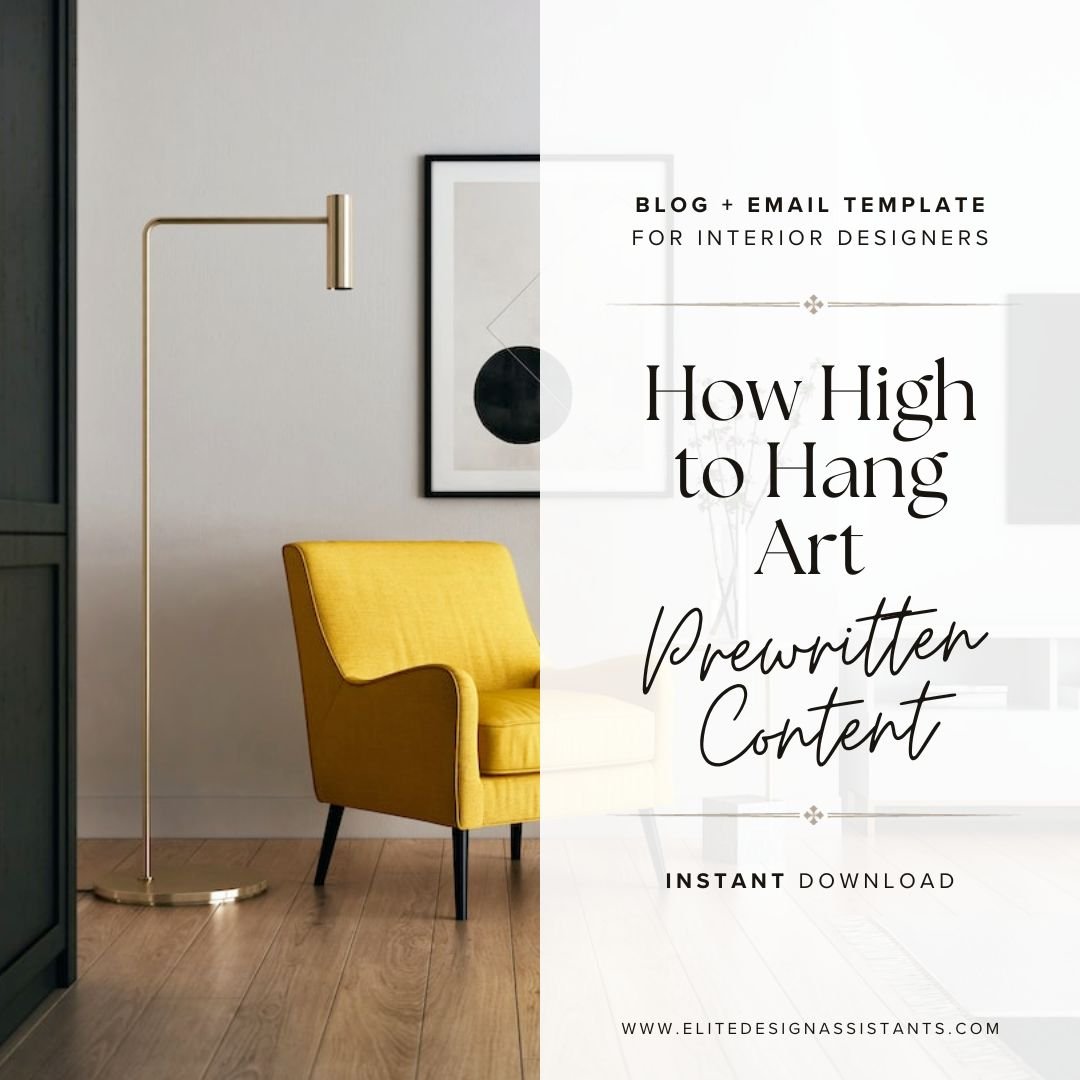
How High to Hang Art

Master the art of art placement with expert guidance on the optimal height for hanging artwork, ensuring maximum impact and visual harmony in any space.

BUY NOW

How to Select Window Coverings

Navigate the myriad options for window coverings with confidence, from curtains to blinds, discovering the perfect solutions to enhance privacy, light control, and aesthetics.

BUY NOW
 

Our prewritten content templates are more than just ready-made resources – they're invaluable tools that save you time, spark creativity, and elevate your online presence. Whether you're a seasoned pro or just starting out, our templates are fully customizable to fit your niche and aesthetic, ensuring that your brand shines through in every blog post and email. Keep your customers informed and intrigued, and let your passion for design shine with our effortlessly accessible templates. Unlock your creativity today!

Check out all of these templates here:

BROWSE ALL TEMPLATES

Happy Designing!

xx, Danae

Branding for Designers: 8 Ways to Stand Out in 2024

Where trends evolve and consumer preferences shift (faster than ever), establishing a distinct brand has never been more crucial. As we’re well into 2024, the importance of branding in setting interior designers apart in a crowded marketplace cannot be overstated. Here are some insightful tips and methods to enhance your branding and make a mark this year.

1. Incorporate Hand-Drawn Elements

In an era starved for simplicity and authenticity, incorporating hand-drawn elements into your branding can add a raw, personal touch that resonates with clients. This reflects a comforting appeal of simpler times but also demonstrates your brand's inclination toward personal connection. Consider integrating your signature or bespoke doodles that represent your design ethos into your website or social media to foster a more human and relatable brand image​.

2. Focus on Authenticity

Along those lines, today's consumers value realness and relatability above cold, hard perfection. Now it’s essential for brands to adopt a transparent and genuine communication style. Embracing natural language, showcasing real-life scenarios, adding in a bit of humor, and highlighting diversity can enhance your brand's relatability and appeal. This approach builds trust and a loyal community around your brand.

3. Introduce Elements of Surprise

In 2024, successful brands are going above and beyond visual appeal and focusing on creating tactile experiences that evoke delight and surprise. Consider a textured business card, folders with a fun closure, a physical logo stamp, or even just interactive elements on your website to engage your clients in a dynamic and memorable manner.

4. Leverage Animation

And no, I’m not talking about turning your site into a Saturday morning cartoon. Sprinkling a bit of animation across your digital spaces can really wake up your online vibe. Think subtle movements when someone hovers over a button, or fun videos that play as they scroll. It's all about making your website and socials a bit more dynamic, so people enjoy the experience and stick around longer.

5. Use AI Responsibly

AI is somewhat of a divisive topic, but it’s only gaining traction, including in the interior design field. Whether you use ChatGPT to help you write copy or Midjourney to create stunning images, it’s best to be transparent about it. Avoid directly using AI-generated text, as it may lack a natural tone, which can feel off-putting to potential clients. Always infuse your content with a personal touch to ensure authenticity and connection. This responsible approach will help maintain trust and credibility with your audience.

6. Forge Strategic Content Partnerships

Working with influencers, bloggers, and other design pros can be a big win for your interior design business. It’s a smart way to get your brand in front of more eyes and make your work more relatable through genuine endorsements. Mixing it up with different types of collabs like joint blog posts, guest spots on podcasts, social media takeovers, or team design projects can really spice things up. Just have a game plan for what you want out of these partnerships—be it more visibility, reaching fresh audiences, or just flexing your creative muscles a bit more.

7. Captivate with Video Marketing

Recently, video content has really taken off and it's a game-changer. Show off your designs through walkthroughs, design process clips, or testimonials from your happy clients. Videos that show you, the face behind the masterpiece, is by far the most effective way to connect with your audience. Then, just share your videos everywhere – think Instagram, your website, or in a newsletter. It's all about making you and your designs feel real, relatable, and right there within reach.

8. Secure Your Spot on Emerging Platforms

You know how it goes: some platforms are here today, gone tomorrow, while others suddenly take off. With places like Instagram's Threads and TikTok getting buzz, it's smart to lock down your ideal business username now. That way, you're ready to roll if they become the next big thing. You can't be everywhere at once, but having your spot saved means you won't miss out when the time comes.

In the end, standing out in the interior design scene isn't always just about following trends; it's about crafting experiences that resonate. From the personal touches in your branding to the strategic use of tech and collaborations, it's these elements that will set you apart. Keep pushing the boundaries, and let's make your interior design brand the one everyone talks about in 2024.

xx, Danae

Interior Design Trivia: How Many Can You Answer Correctly?

This is it! Your opportunity to geek out and show off your interior design knowledge. Pull up a chair with a designer friend and grab a pen to note down your answers. And don’t worry! This is a multiple-choice quiz. From trends to industry jargon to design icons, let’s see how many questions you can get correct! The answers await at the end of the quiz–no jumping ahead and good luck!

1. The first known use of interior design was in which ancient civilization?
A) Roman
B) Egyptian
C) Mesopotamian
D) Greek

2. In interior design, what does the acronym FF&E stand for?
A) Form, Function & Elegance
B) Furniture, Fixtures & Equipment
C) Fashion, Form & Essentials
D) Flooring, Finishes & Embellishments

3. What was the first magazine solely dedicated to interior design?
A) Architectural Digest
B) Elle Decor
C) House Beautiful
D) The World of Interiors

4. What is the principle of design that refers to the visual weight distribution in a space?
A) Symmetry
B) Balance
C) Rhythm
D) Harmony

5. Which type of rug is traditionally handwoven in Morocco, known for its geometric designs and plush texture?
A) Persian Rug
B) Kilim Rug
C) Berber Rug
D) Shag Rug

6. Who is considered the father of modern architecture and design?
A) Frank Lloyd Wright
B) Le Corbusier
C) Marcel Breuer
D) Charles Eames

7. What does the term 'Biophilic Design' emphasize?
A) Use of sustainable materials
B) Incorporation of technology
C) Connection to nature
D) Historical architecture

8. Who designed the iconic Egg Chair?
A) Eero Saarinen
B) Arne Jacobsen
C) Harry Bertoia
D) Charles and Ray Eames 

9. What is a cantilever in the context of furniture design?
A) A type of legless chair supported at one end
B) A decorative bracket
C) A type of table with a single, central foot
D) A shelving unit attached directly to the wall 

10. Which term refers to a small, luxurious room designed for reading and relaxation?
A) Conservatory
B) Boudoir
C) Snug
D) Nook

11. Which designer is credited with the creation of the Wassily Chair, one of the first pieces of tubular steel furniture?
A) Ludwig Mies van der Rohe
B) Marcel Breuer
C) Alvar Aalto
D) Eileen Gray 

12. 'Feng Shui' is a practice originating from which country?
A) Japan
B) China
C) South Korea
D) Thailand 

13. The 'Chesterfield' is a type of what?
A) Sofa
B) Lamp
C) Rug
D) Coffee table

14. Which interior designer is famous for saying, "More is more and less is a bore"?
A) Joanna Gaines
B) Iris Apfel
C) Philippe Starck
D) Kelly Wearstler

15. What design movement is the 'Sputnik Chandelier' a symbol of?
A) Art Nouveau
B) Mid-Century Modern
C) Victorian
D) Art Deco

16. What does 'VOC' stand for in eco-friendly interior design?
A) Variety of Colors
B) Verification of Compliance
C) Volatile Organic Compounds
D) Visual Optical Clarity

17. The 'Roaring Twenties' influenced which interior design style?
A) Modernism
B) Art Deco
C) Victorian
D) Bauhaus

18. Which architect famously lived in a house with no right angles, believing they were unnatural?
A) Zaha Hadid
B) Antoni Gaudí
C) Frank Gehry
D) Renzo Piano

19. "Memphis Design" emerged in which city?
A) Memphis, USA
B) Milan, Italy
C) Paris, France
D) Tokyo, Japan

20. What is the most expensive furniture piece ever sold?
A) The Dragon Chair by Eileen Gray
B) The Badminton Chest
C) The Tufft Table
D) Ruijssenaars Magnetic Floating Bed

Ready to see how you did? Here’s the answer key below:

ANSWERS: 1B; 2B; 3C; 4B; 5C; 6A; 7C; 8B; 9A; 10C; 11B; 12B; 13A; 14B; 15B; 16C; 17B; 18B; 19B; 20B

So, how did you fare? Whether you're now basking in the glow of your expertise or adding a few new gems to your knowledge bank, it's clear that there is always more to learn in this industry. I hope you’ve enjoyed this little game of trivia. Thank you for joining in on the fun!

xx, Danae
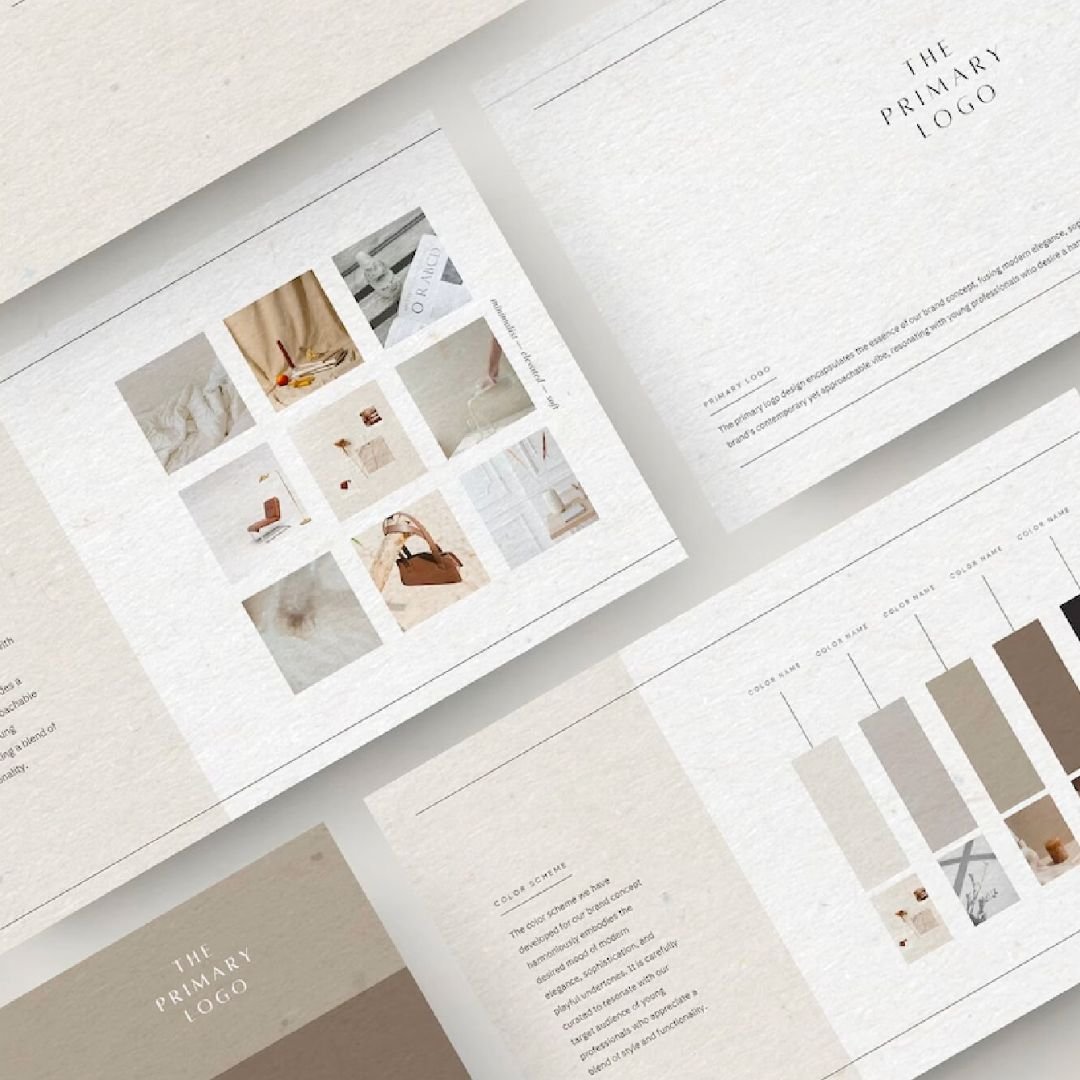
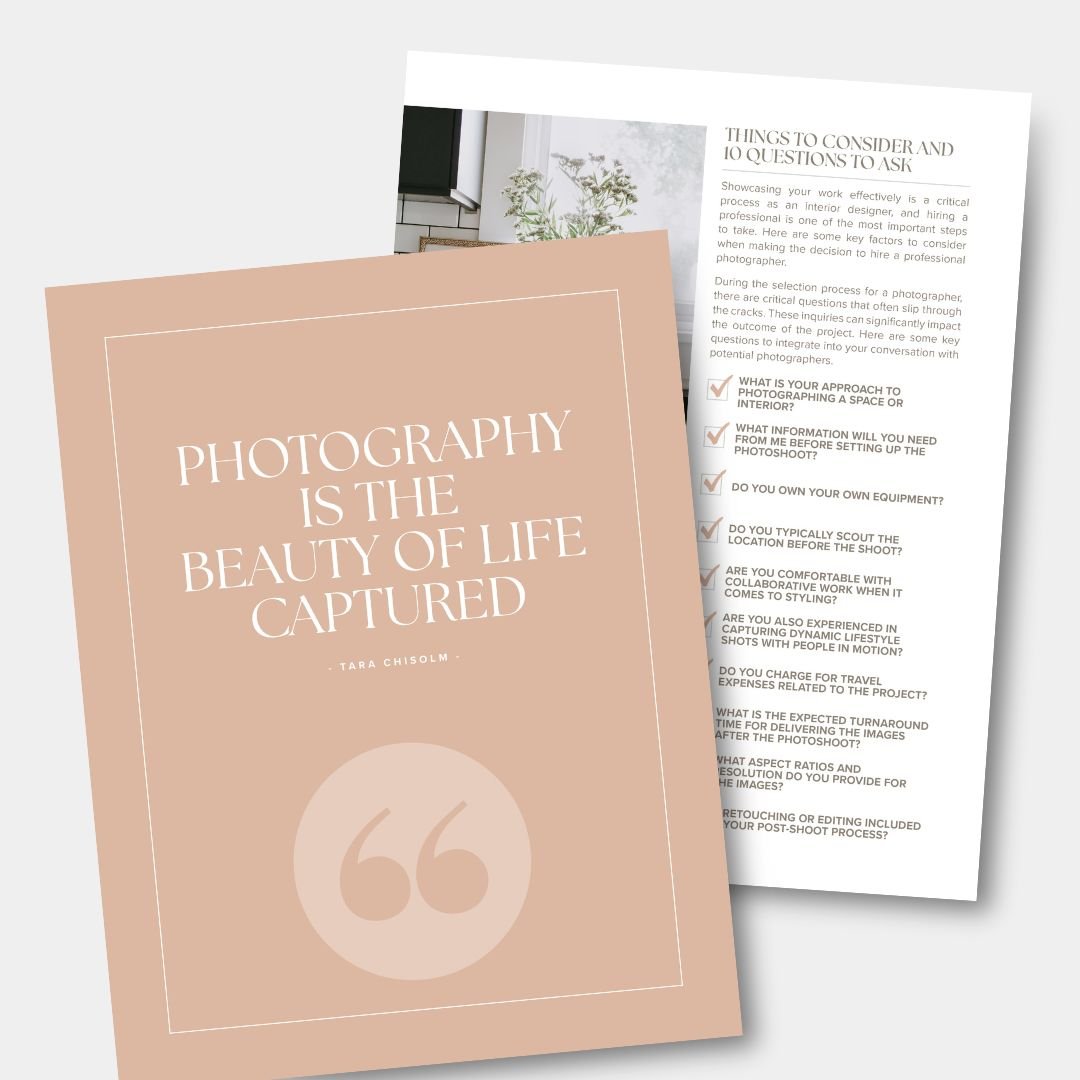
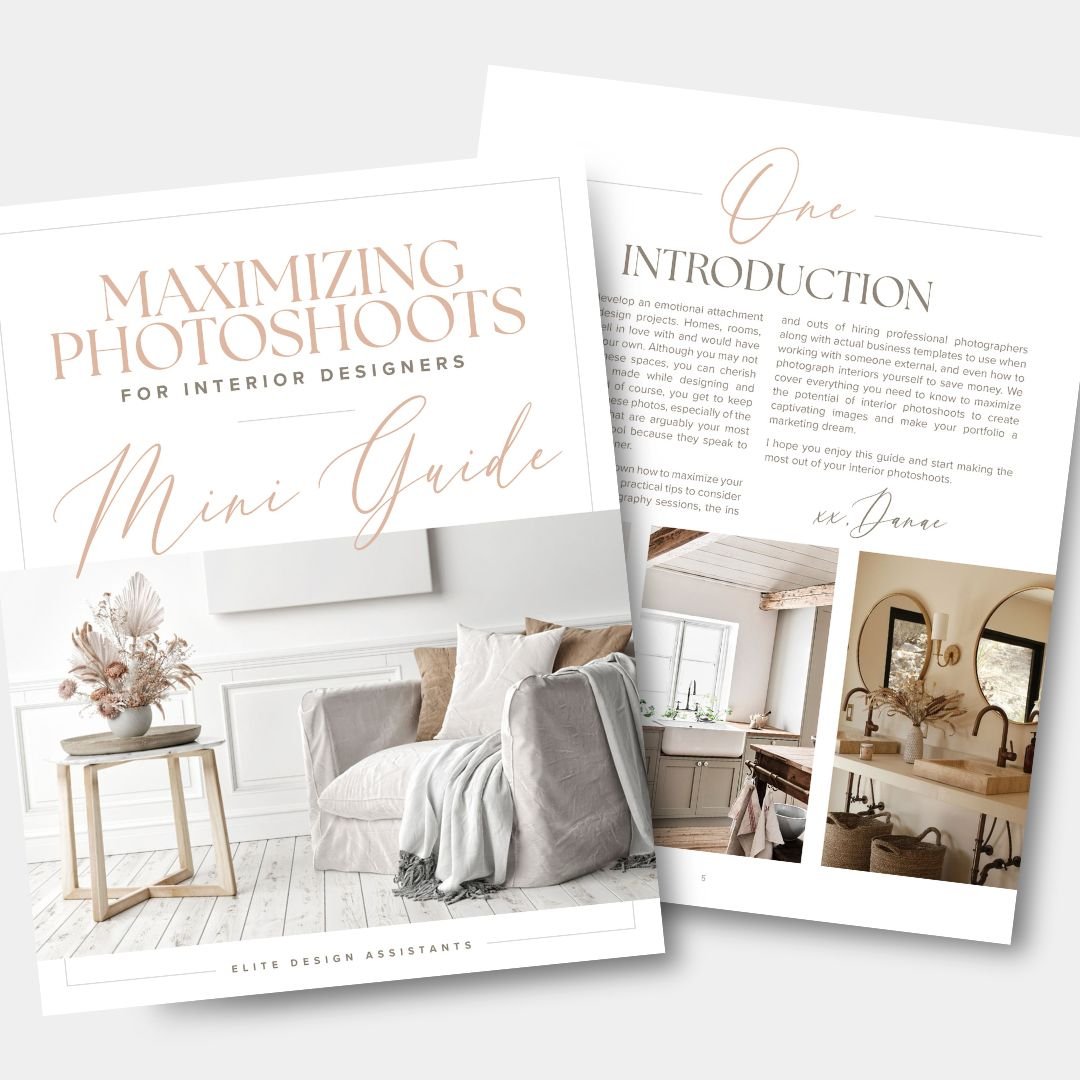
Enhance Your Interior Design Portfolio: Introducing Our Maximizing Photoshoots Mini Guide for Interior Designers!

Are you an interior designer looking to take your portfolio to the next level? Look no further! We're thrilled to announce the launch of our latest resource: the Maximizing Photoshoots Mini Guide for Interior Designers. In this comprehensive guide, we're sharing insider tips and expert advice on how to make the most out of your photoshoots and showcase your designs in the best possible light, no pun intended!

Why is a photoshoot so important for interior designers, you ask? Well, stunning photography can make all the difference when it comes to attracting clients and showcasing your talent. A well-executed photoshoot not only captures the essence of your design but also highlights the craftsmanship and attention to detail that sets your work apart.

So, what can you expect to find in our Maximizing Photoshoots Mini Guide? Let's take a sneak peek:

  1. Preparation is Key: Learn how to prepare your space for a photoshoot, from decluttering and styling to optimizing lighting and angles. We'll walk you through the essential steps to ensure your designs shine on camera.

  2. Collaborating with Photographers: Discover how to find the right photographer for your project and establish a successful collaboration. We'll share tips on communication, budgeting, and creative direction to achieve the perfect shots.

  3. Styling for Success: Get insider tips from seasoned stylists on how to style your designs for maximum impact. From selecting props and accessories to arranging furniture and decor, we'll help you create visually stunning compositions that tell a story.

  4. Post-Production Perfection: Learn the secrets of post-production editing to enhance your photos and showcase your designs in the best possible light. We'll cover everything from color correction and retouching to cropping and formatting for print and digital use.

  5. Marketing Your Masterpieces: Once you have your stunning photos in hand, it's time to share them with the world! Discover effective strategies for leveraging your photography to attract clients, build your brand, and grow your interior design business.

Ready to elevate your interior design game? Our Maximizing Photoshoots Mini Guide for Interior Designers has everything you need to master the art of photoshoots and showcase your designs like never before. Don't miss out—grab your copy today and get ready to dazzle the world with your talent and creativity!

BUY NOW

Happy photographing!

xx, Danae
Should You Consider Creating a Design Build Firm?

In the ever-evolving landscape of interior design, the concept of a Design Build firm is gaining traction. This approach merges the traditionally separate disciplines of design and construction into a single, streamlined process. But is it the right move for every interior designer out there?

First, let's demystify what a Design Build firm is. Unlike the traditional approach where design and construction are handled by separate entities, a Design Build firm integrates these processes. The essence of a Design Build firm is about fostering a seamless, integrated process that enhances communication, streamlines workflows, and ultimately delivers a more unified vision for the project.

Now, why should you, as an interior designer, consider venturing into the Design Build game? Let's navigate through the pros and cons, and by the end, you just might see your path in a new light.

The Pros

  • Streamlined Communication: One of the standout benefits of a Design Build firm is the streamlined communication between the designer, contractor, and client. This synergy can significantly reduce misunderstandings and misinterpretations, ensuring a smoother project from start to finish.

  • Efficiency and Time Savings: With both design and construction teams working together from the get-go, projects can move more swiftly. Decisions are made faster, and there's a fluid transition from design to execution. This integrated approach often results in shorter project timelines and can lead to cost savings.

  • Enhanced Creativity: With a thorough understanding of the construction process, your design possibilities widen. You're not just designing within the constraints given to you but actively shaping those constraints. This knowledge can elevate your creativity to new heights.

  • Quality Control: Having a hand in both design and construction phases means more control over the outcome. This can lead to higher client satisfaction, as the final product closely aligns with the initial vision.

The Cons

  • Steep Learning Curve: If construction isn't your forte, there's a learning curve to consider. Understanding the intricacies of building processes, regulations, and materials is essential and can be daunting for some.

  • Increased Responsibility: With great power comes great responsibility. Managing both design and construction aspects means you're on the hook for more if things go south. It's a higher risk, higher reward scenario. 

  • Resource Intensive: Starting a Design Build firm requires more than just a vision; it demands resources. From skilled labor to licensing, the initial setup can be resource-intensive and requires careful planning.

Yes, there are hurdles, but the potential for innovation, control, and satisfaction in seeing your designs fully realized is unparalleled. So, should you consider creating a Design Build firm? If the idea of creating a Design Build firm sparks excitement rather than dread, here are a few strategies to consider:

  1. Education and Partnership: Before diving in, educate yourself about the construction industry. Consider partnerships or collaborations with construction professionals who share your vision and can bring the necessary expertise to the table.

  2. Build a Multidisciplinary Team: Assembling a team that includes both design and construction professionals can foster a collaborative culture and ensure that projects benefit from a diverse range of skills and perspectives.

  3. Focus on Communication: Establish clear communication channels and processes to facilitate the seamless flow of information between all team members and with clients. This is crucial for the success of the Design Build approach.

  4. Manage Risk Wisely: Consult with legal and insurance professionals to understand and mitigate the risks associated with construction. This includes ensuring that you have the appropriate contracts and insurance in place.

  5. Start Small and Scale: Consider starting with smaller, less complex projects to build your team's confidence and processes. This allows you to refine your approach before tackling larger, more complex projects.

Looking for a bit more industry wisdom to guide you? LuAnn Nigara, in her "Well Designed Business" podcast, hosted Brad Leavitt across several enlightening episodes (542, 560, 580, 615, 649), where they delve deep into the Design Build world. Leavitt shares insights that are gold for anyone considering this path. His experiences underscore the importance of clear communication, the art of managing client expectations, and the value of integrating design and construction from the get-go. These episodes are a treasure trove of knowledge, offering real-world perspectives on the Design Build process.

Whether your exciting next chapter means expanding into the Design Build arena or other ways of growth, we’re here to support your journey every step of the way!

xx, Danae
The Best On-The-Go Lunch Ideas for Busy Professionals

As a busy professional, you're always on the move, whether it's for client meetings, shopping for materials, or on a project site. With so much to do, it can be challenging to find time for a proper lunch break. That's why it's essential to have quick, convenient, and healthy lunch options that you can take with you.

First of all, to be well-equipped to make great on-the-go lunches, we recommend getting yourself a variety of nice leak-proof lunch boxes with compartments, such as bento boxes, reusable silverware, and an insulated lunch bag that’s easy to carry. You may also look into reusable food wraps as an eco-friendly alternative to plastic wrap. And, of course, you need a collection of simple and delicious meal plans that you can always turn to, so I bring you 9 ideas to get you started! 

Protein Wrap

A wrap is a quick and easy lunch option that you can customize with your favorite ingredients. Start with a whole wheat wrap, add some protein such as grilled shrimp or chickpeas, and your favorite fillings like lettuce, red onion, cucumber, tomato, avocado, cheese, and a drizzle of your favorite sauce. Roll it up, wrap it up, and you're good to go!

Pasta Salad

Cook some whole grain pasta, add your favorite veggies like cherry tomatoes, cucumber, and bell peppers, chicken or a diced cheese like feta, and a tangy dressing. This is a filling lunch that can be made ahead of time and kept in the fridge for a few days.

Quinoa Bowl

Cook some quinoa, add some veggies like roasted sweet potato, broccoli, and cherry tomatoes, and a tasty dressing. This is a high-protein, gluten-free option that will keep you full all afternoon.

Turkey and Avocado Sandwich

Spread some mayo or pesto on whole grain bread, add sliced turkey, avocado, lettuce, and tomato. This sandwich provides healthy fats, protein, and fiber.

Falafel Pita Pocket

Spread some hummus on a whole grain pita, add falafel, sliced veggies like carrot, cucumber, and bell pepper, and you have a delicious and easy lunch.

Tuna Salad

Mix canned tuna with some mayo, diced celery, and pickles. Serve it on whole grain bread or crackers, or in a lettuce wrap.

Tofu and Veggie Stir-Fry

Sauté veggies like broccoli, cauliflower, zucchini, carrots, and bell peppers with some tofu in a sauce of your choice. Serve over brown rice for a complete meal.

Fruit Salad

Cut up a variety of fresh fruit, such as apples, bananas, grapes, and berries, into bite-sized pieces and mix together in a container. This provides a healthy and refreshing dessert option.

No-Bake Peanut Butter Squares

Mix 1 cup of creamy peanut butter with 1/2 cup of honey and 1 teaspoon of vanilla extract, then stir in 1 1/2 cups of quick-cooking oats. Press the mixture into a lined 8x8-inch square dish, pour melted semi-sweet chocolate chips on top, and refrigerate for 1 hour before cutting into squares. 

With these delicious and nutritious meal ideas, you'll never have to sacrifice taste for convenience. Whether you're in a rush, at a client meeting, or just need a quick bite, these lunch options will keep you fueled and satisfied, no matter where you are. Enjoy!

xx, Danae
8 Pros to Hiring an Interior Design Stylist

Among the many different hats that participate in an interior design project, there is someone, like a behind-the-scenes magician, who has the powerful ability to spin a cohesive and visually compelling narrative with an apparent wave of their wand. I’m talking about an interior stylist, a role that goes under-appreciated all too often. But you might wonder, given your own keen sense of style, what value does an interior stylist add?

What’s the difference between an interior designer and an interior stylist?

Interior designers, often backed by formal education and certifications, tend to focus on the structural and functional design of spaces, tackling complex renovation projects with an eye for building codes and architectural nuances. Interior stylists, on the other hand, have mastered the more visual and decorative aspects, bringing spaces to life for photoshoots, events, and daily enjoyment. They skillfully curate decor, textiles, and accessories to create aesthetically pleasing settings without the need for formal certification. Their flexibility in project scope, rates, and timelines offers a distinct approach compared to the structured, regulated projects managed by interior designers.

What are the benefits of hiring an interior stylist?

  1. Efficiency: Whether you’re racing against a looming project deadline with last-minute accessory needs or seeking an adept hand for photoshoot day, enlisting an interior stylist can really streamline your process and save you precious time.

  2. Broaden Your Horizons: Interior stylists bring fresh eyes and innovative ideas into your project, broadening the scope of possibilities for enhancing your space's visual allure.

  3. Art of Styling Mastery: While it might seem obvious, the nuanced art of styling—think arranging shelves, tables, and spaces—is a specialized skill that not all interior designers have the luxury of time to perfect. Interior stylists excel in this arena.

  4. Trend Savvy: Always ahead of the curve, stylists have a unique understanding of current and emerging design trends, seamlessly integrating them into your space to ensure it feels both modern and timeless.

  5. Resourcefulness: Their toolkit includes extensive networks of suppliers and artisans, stylists are often able to unearth distinctive pieces that introduce character and uniqueness to your design, including items not accessible to the general public.

  6. Ready for Spotlight: Seasoned interior stylists are used to working closely with photographers, brands, and editorial teams. When aiming for publication or to make a splash in marketing materials, stylists ensure your space is photogenic and polished, enhancing its appeal and the likelihood of being featured.

  7. Attention to Detail: With an eye for the minutiae, stylists can transform a room through the meticulous selection and placement of accessories, lighting, and art, elements that might be overlooked but can significantly impact the overall feel of a space.

  8. Collaborative Networking: Working with an interior stylist is a chance for mutual promotion. By sharing and crediting each other's work on social media, both parties can extend their reach and open new networking opportunities, enhancing project visibility and fostering industry connections efficiently.

So, how can you find the right interior stylist?

Start by diving into social media platforms and design websites, where many stylists showcase their portfolios. Instagram, Pinterest, and Houzz are great places to see their work in action and get a sense of their style and creativity. Don't hesitate to ask for recommendations from friends or colleagues who have embarked on similar projects; word-of-mouth can lead you to talented professionals whose work aligns with your vision. When you connect with potential stylists, discuss your project goals and preferences openly—this conversation can give you a clear insight into their approach and whether it meshes well with your expectations. Remember, a good fit goes beyond aesthetics; it's about finding someone whose communication style and project management skills align with yours, ensuring a smooth and collaborative experience.

Things to keep in mind…

  • Make sure you're on the same page with your stylist about how much or how little you want the space styled, as well as the aesthetic direction, so the decor fits just right without overshadowing your design.

  • Stylists' pricing can vary widely based on their experience, the project's scope, and even the location. This means that hiring a stylist is an investment that requires careful consideration. It's important to weigh the stylist's rates against the value they bring to your project.

Deciding to bring an interior stylist on board for your project's photoshoots often hinges on a few key factors: the interior designer's own confidence in their styling prowess, the allocated budget, and what you're aiming to achieve with the shoot. If the goal is to produce top-tier, publication-ready images that could draw in more clientele or spotlight your work, then investing in a stylist could pay off. On the flip side, if you're confident in your own styling skills and have a solid plan for the shoot, more power to you!

xx, Danae
What's the Difference Between an Admin Assistant and a Project Manager?

What's the Difference Between an Admin Assistant and a Project Manager?

If you're in the midst of building your dream team or reorganizing your existing one, understanding the distinct roles and responsibilities of an Admin Assistant and a Project Manager is important. Both are key players in a successful interior design firm, but…

Read More