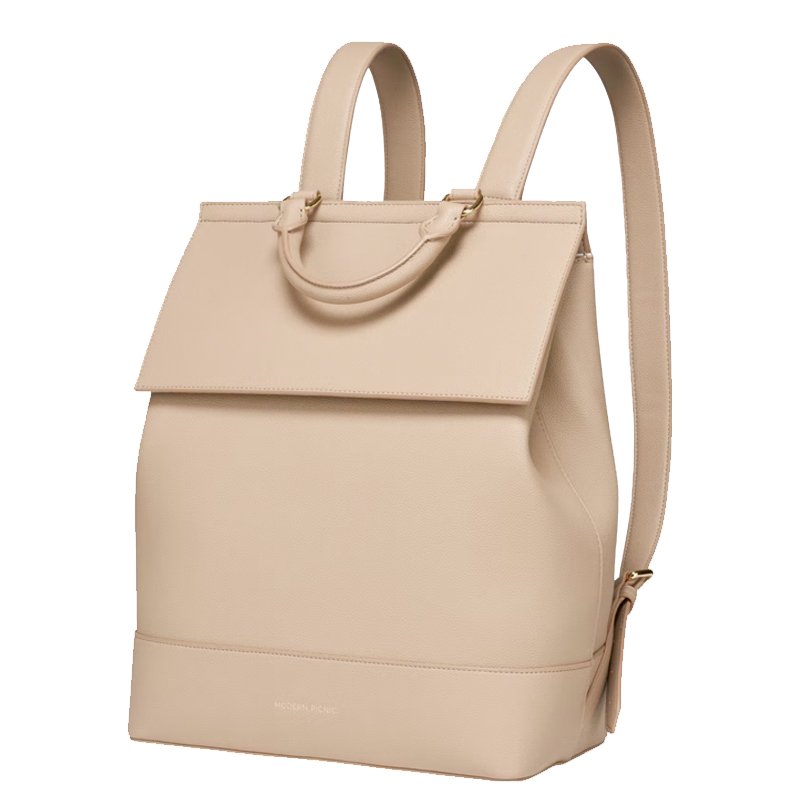
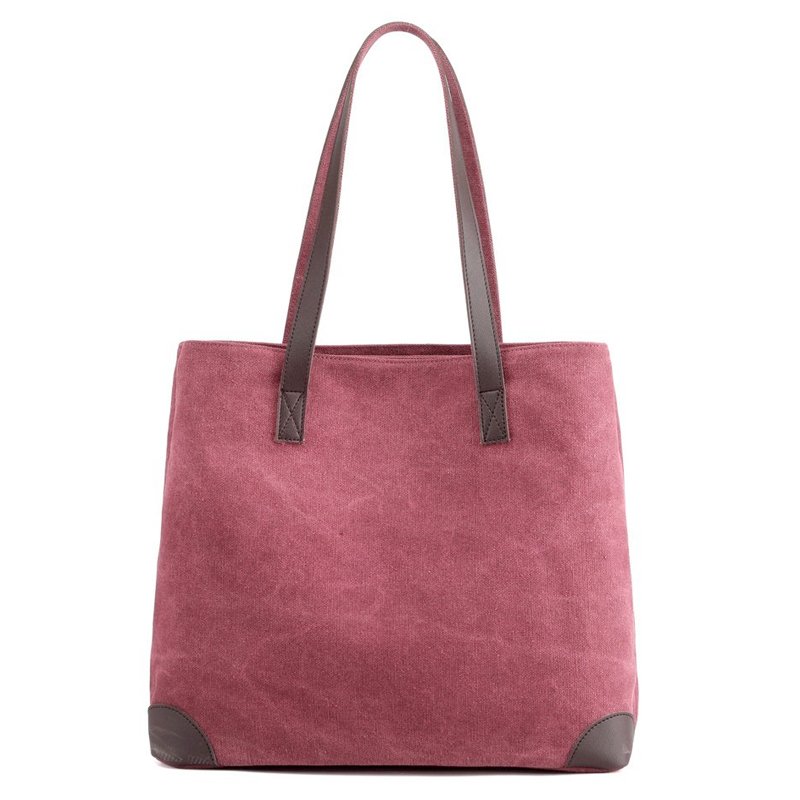
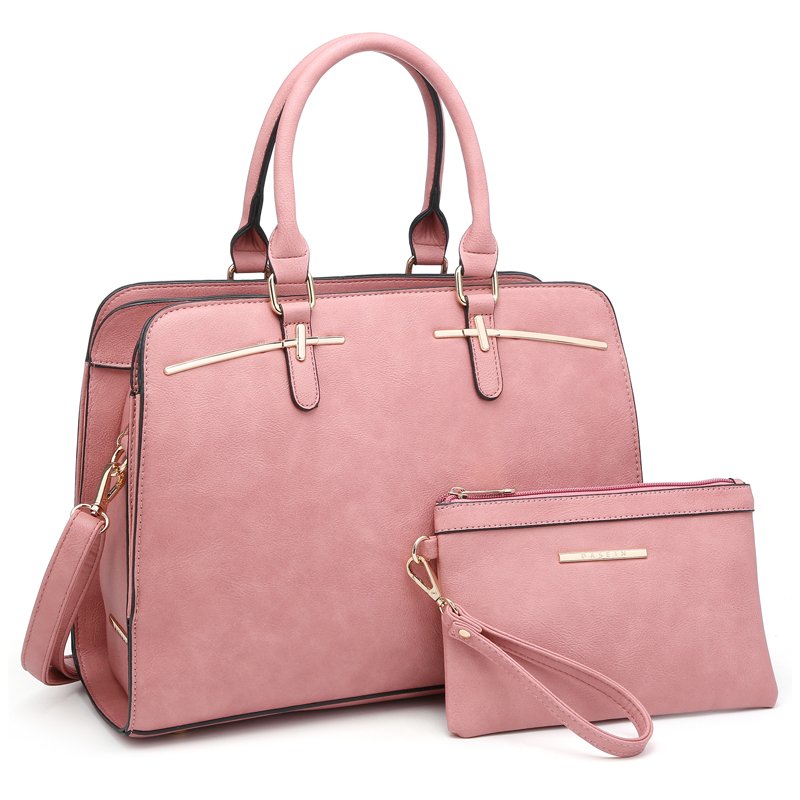
Shop the Look for the Best Works Bags for Interior Designers!

It’s time to go purse and bag shopping! We have compiled some of the best bags and purses we know of for busy interior designers like yourself to take to client visits, work site visits, and even to the grocery store.

Click the SHOP NOW button below to buy your favorite bag!

SHOP NOW

Happy Shopping!

xx, Danae

Creating Vision Boards for Life and Business

As interior designers, we are no strangers to composing material boards or mood boards. The unique combination of images and textures we create tells a story about our vision for the project ahead. As we progress, they can serve as a reference point to return to, helping us stay consistent with our concept and keep us on track to achieve it. So why not do the same with your business or personal life?

A vision board is an inspirational board created with photos, images, clippings, phrases and words that represent the ideal lifestyle you want to reach or the goals you want to achieve. There’s no perfect formula to making a vision board, because it’s completely personal to you.

The most hands-on approach is a physical vision board, which you can make with a classic cork board or wire wall grid, among many other options. But you can also create a digital board made with an app such as Canva, and make it your desktop and phone background. Attach photos you’ve taken yourself, cut out magazines, or find images or quotes online. You may already have an existing collection of aspirational images on Pinterest to get you started.

Life Vision Board

Creating a vision board is an excellent exercise in its own right. Think of places you want to go, inspirational people whose energy you would like to channel, phrases that encourage or resonate with you, milestones on the horizon, objects that have meaning to you, or even fashion photos that inspire you. You can include images that evoke your values in relation to family and friends, spirituality, hobbies, projects or health. Anything that represents the life you want to lead in the future: near or a little more distant.

Business Vision Board

As with your life vision board, ask yourself what values or keywords represent your company, as well as the kind of work environment you’d like to cultivate with your team. Is there a number that represents a goal you have for this year, like a number of projects you’d like to complete? What image would represent your expansion goals? You may also like to work in your corporate fonts and colors in a creative way. Creating a vision board can actually be a great opportunity for team-building, as well, as you put your heads together to add insights.

While it’s important to be grateful for what we have and give ourselves credit for how far we’ve already come, having a vision board will help you to focus on where you want to go and how you want to continue growing. So the most important thing is that your vision board is somewhere you’ll see it often, such as at home first thing in the morning, or in plain view from your office desk.

Just as with all goal-setting, it’s best to choose attainable targets for yourself. Aim high, but if you overload your board with impossible objectives, it will only serve to discourage you rather than fulfill its purpose. Looking at your vision board should make you feel good and contribute to a more positive outlook. So don’t wait till the New Year to reflect on your goals. It's just a matter of dedicating a little time and creativity; nothing you're not willing to do to achieve your dreams, right?

xx, Danae

Make Life Easier With Menu & Grocery List Planning

One day you spend three hours in the kitchen only to see your creation disappear in ten minutes. Another day you open the fridge and find it empty and end up grabbing fast food. Another day you go shopping for ingredients for a recipe and when you get home you realize you already had many of the ingredients, plus yesterday's leftovers. If this sounds all too familiar, the good news is that the solution is easier than it sounds.

For some reason, planning ahead can seem like a daunting chore, but when it comes down to it, isn't the hassle of not planning worse? Investing just a little time at the beginning of each week will save you time and money, and help you eat healthier and live more relaxed. If you're up for giving it a try, read on.

TAKE INTO ACCOUNT

  • What day of the week you are going to plan the menu and do the shopping.

  • How much time you have to cook.

  • The days you will eat out or take lunch to work.

  • If you have kids who eat lunch at school, check the menu for that week to avoid repeating dinners.

  • Whether you will plan breakfasts and snacks, or focus on lunches and dinners.

CREATE YOUR MENU LIBRARY

Mindful menu planning also ensures a more balanced diet. Although nutritional guidelines are constantly evolving, you can follow the principles of a source you trust to include plenty of protein, healthy fats and carbohydrates, vitamins and minerals. One such model is known as the "Harvard Plate," which maps out healthy proportions and examples of vegetables, proteins, grains, fruits and oils. With this starting point, you can begin to build a collection of well-rounded meal menus. An example would be fish with wild rice and green beans, cooked with olive oil, and fruit salad for dessert.

You can store your menu ideas in digital format, write them on cards, or hang a poster in your pantry. You may want to organize your menu by categories, such as meat, fish or vegetables. Magazines, food blogs and Pinterest are good places to start for inspiration. Over time, you'll add more options, and this will take the work out of thinking about meal planning and grocery shopping each week.

PLAN YOUR WEEKLY MENU

Before you sit down to choose the meal menus for the week, take inventory of your fridge, freezer and pantry to see what needs to get used up to avoid waste. Now, what recipes do you have that could incorporate those ingredients? Can you include several recipes that are different but share common ingredients? Write down the remaining ingredients you'll need to complete the week's recipes, either in a note app like Google Keep on your phone or on paper. Then, there are countless templates on Canva you can edit and print off to display your weekly menu. See what format works for you, print out a dozen copies and grab one to jot down your menus each week. Another option is to laminate a copy and use it as a reusable dry-erase board and hang it on your fridge.

GET COOKING

To save time during the week you can prepare several dishes in advance or cook some foods and have them ready in the fridge just to heat and eat. You can allocate a couple of hours on a day that suits you and advance dishes for the week. This is known as batch cooking, and it can be a lifesaver when you get home late and the last thing you want to do is stand in front of the stove.

The best way to save time in the long run is to prepare the main dishes that you can store in the fridge or freezer. Or, you can just make a large batch of rice or pasta, or whatever base you’ll be using in different recipes throughout the upcoming week. Dishes that break down rapidly, like certain salads, you can chop up the same day you eat them, but thanks to your thoughtful planning, you’ll have all the ingredients on hand and ready to go!

Especially at first, you might find that you have leftovers that you don’t want to throw out, or things will come up that will throw your plan off-kilter. Don’t let this put you off the idea of meal planning, because with a bit of practice, you’ll start to get a better idea of portions and flexibility. And remember, you'll probably still waste less food than if you didn't plan your groceries.

FINAL TIPS

  • Save your old menus and write the date on them. This way you can repeat the plans and quickly find seasonally appropriate menus in the future!

  • If you have never done it before, it may take you longer to do this planning, but you’ll see that once you’ve done it a couple of times, it will become a built-in habit and make your meal prep a breeze!

xx, Danae

Passive Income Ideas for Interior Designers

Whether you feel like you've hit a financial ceiling, want to scale your business, or are simply interested in making more money, the prospect of passive income is an exciting one. Fortunately, interior design is a profession that offers numerous strategies for generating passive income.

The idea is to establish revenue streams that flow in the background with minimal effort on your part. It's important to remember that there is an initial investment of time to get it up and running and, depending on the strategy, there may be more or less maintenance. But if you set it up correctly from the beginning, you will find it to be quite rewarding.

Here are some effective passive income ideas that you can consider introducing into your business.

Digital Downloads

Selling digital downloads is one of the most popular ways to create passive income. Although it requires a significant time investment, it requires little to no monetary investment. You can create downloadable products such as gallery wall templates, e-books, guides, or pre-made mood boards. Try to opt for content that will stay fresh and relevant in the long term to maximize your earnings.

Courses

Whether you decide to sell a course on your own website or on another platform like Udemy, you will find customers or budding designers who want to know your design tips and tricks. Create a high-quality product with thoughtful content of value and attractive, cohesive graphic aids. If you sell your course on a third-party platform, you may benefit from more traffic. If you sell it on your own website, you’ll have total control over the price you charge.

Affiliate Marketing

The good news is that most major brands have an affiliate program with which you receive a commission for each sale that comes through your recommendation, such as through a link from your blog. This is a passive income opportunity with high earning potential and no need to get involved in the actual sales. The main challenge may be to work on the SEO of your site so that more customers find you in the first place.

Sponsorships

If you already have a large social media following, vendors may offer you their products so that you can market them or simply speak well of them (in exchange for a commission or one-time payment). They may even ask you to become a brand ambassador. Such an agreement may include specific kinds of posts or content, so it’s important that what you’re promoting is in line with your brand.

Online Shops

When it comes to e-commerce as passive income, you generally resell products rather than selling your own. It can take some time to get this set up on your website. Alternatively, you can use an affiliate program like SideDoor or Shopify to add items to your online shop and earn a substantial commission. In either case, you’ll need to advertise and leverage social media to attract customers.

Membership Sites

A membership site offers valuable information for a monthly or annual fee. As an interior designer, you must decide whether your expertise is better targeted to other designers or to consumers. As with digital downloads and courses, you’re sharing your knowledge in an accessible way. It’s one of the more time-consuming methods, which requires excellent marketing and customer service. But once it’s up and running, it can be a highly lucrative source of passive income.

Printable Art

Apart from being an interior designer, do you dabble in drawing or painting? Downloadable, printable art is a prevalent feature in decoration and is purchased by interior designers and consumers alike. Sell your work on Etsy, Shopify, or in your own shop in order to make multiple profits on a piece you created just once.

Hopefully, one or more of these passive income strategies have caught your attention and gotten you excited to start earning more! Looking for more help to get started?

In my eBook, Creating Passive & Multiple Income Streams For Interior Designers, I show you how other interior designers earn passive income in all of the above ways and more. You’ll find in-depth examples, case studies, important considerations, resources, and the steps to take to get these revenue streams going yourself.

xx, Danae

12 Ways To Celebrate National Women's Health and Fitness Day!

Something so vital deserves a day to celebrate and refocus attention on women’s health and fitness. National Women’s Health and Fitness Day is an initiative organized by the Health Information Resource Center. Each year, on the last Wednesday in September, more than 500 groups participate by hosting events across the country in venues ranging from health clubs to schools to community centers. Topics addressed include breast and cervical cancer, family planning and pregnancy, heart disease, and many more.

There is an old Zen saying that goes, "You should sit in meditation for twenty minutes every day, unless you are too busy. Then you should sit for an hour." This idea could easily be applied to any exercise or wellness practice. It's time to make your health a non-negotiable priority. In addition to participating in an official event, here are 12 more ways you can celebrate National Women's Health and Wellness Day:

  1. Schedule a medical check-up. When was the last time you went for a routine checkup? Even if you're feeling well, it's recommended to visit your doctor at least once a year.

  2. Go for a mammogram. The goal is prevention, so learn how to check yourself, and especially women aged 40 and older or with a family history of breast cancer should talk to their doctor to schedule an appointment.

  3. Buy a fitness tracker. Make it easier to be aware of your activity by wearing a smartwatch or activity tracker, which lets you see how much you’re moving from day to day.

  4. Get your partner or family up and moving. Play a game that requires physical activity as a way to bring your loved ones together and get some exercise in without it feeling like a chore!

  5. Get outside and go for a walk or bike ride. Getting some fresh air and having a change of scenery can do wonders for both our physical and mental health.

  6. Dance to your favorite song. Let yourself be spontaneous and channel those bursts of energy and good vibes.

  7. Grab a friend. Some people find it helpful and motivating to have an accountability partner and enjoy their company while you both benefit from doing some sport or activity.

  8. Take care of your mental health. Often more neglected than physical health, but equally important, check in with yourself and consider seeking professional support, even if you don't feel you "need" it.

  9. Reevaluate your diet. Step back and have a look at whether your daily diet is generally nutritionally well-balanced, and consider meal planning.

  10. Get enough sleep. An undervalued part of health and too often sacrificed, there's a reason doctors insist on 7-9 hours of shuteye per night.

  11. Share what you’re doing on social media. If you already enjoy sharing what you’re up to online, why not raise awareness and inspire others to get back in touch with their own health?

  12. Make a commitment. Like all holidays that aim to bring attention to a cause, the goal is to organize your routine in a sustainable way so you can take care of yourself and enjoy a greater quality of life throughout the whole year!

With all the crazy demands of everyday life, health and fitness often get pushed to the back burner. But this day serves as a reminder that you deserve to dedicate time to your well-being, and it’s also going to allow you to put your best self forward for your loved ones, career, and other priorities. And while maintaining a healthy lifestyle is vital for both men and women, this day recognizes the unique health needs especially for women.

xx, Danae

It's International Coffee Day!

As one of the most popular beverages in the world, chances are that you consume it too. According to a study conducted by the National Coffee Association, 7 out of 10 Americans drink coffee every week. Coffee is fuel, it's comfort, and it's even a pretext for conversation or the perfect first date. So pour yourself a cup to sip as you read on about the significance of the celebration of International Coffee Day.

Although coffee has been celebrated nationally for decades in countries such as the United States, Nepal and Indonesia, the first official International Coffee Day date was instituted by the International Coffee Organization in 2015 in Milan, Italy. The idea is to pay tribute to this popular beverage, and also to promote fair trade coffee while raising awareness of the dire situation of coffee producers.

Most coffee travels a long way from small-scale farmers in the "Bean Belt" countries and through the hands of buyers, various middlemen, roasters and distributors, before reaching the shelves of your local store. From the cup of coffee you buy at your neighborhood coffee shop, the average farmer receives only 1% of the profits. With such minimal profits, there isn’t enough to reinvest in labor, land, or equipment, and parents often take their children out of school to work on the plantations in order to survive.

On the other hand, coffee production often brings with it environmental problems from deforestation to high use of water and energy resources and water pollution, all on a large scale. However, certified organic coffee is grown without the use of pesticides, herbicides or chemical fertilizers. To support ethical standards of coffee production, opting for organic coffee that comes from a supply chain where everyone is paid fairly is an action you can take.

In the health field, there has been plenty of praise and criticism written about coffee, but every day scientists discover more and more benefits when consumed in moderation. Did you know that coffee contains more antioxidants than broccoli? The Harvard School of Public Health found that people who drink coffee are less likely to suffer from type 2 diabetes, Parkinson's disease and even depression. Just remember to consume it in moderation, as the FDA recommends staying under 400 mg of caffeine, which is equivalent to about 4 cups of coffee.

So how can you celebrate International Coffee Day? Here are some ideas for you.

  1. Get free or discounted coffee from one of the many cafés or shops that participate in International Coffee Day.

  2. Gift yourself or a loved one a new coffee mug.

  3. Look for Fair Trade and organic seals on the package before buying or ask the barista about the origin of the coffee.

  4. Try a new brewing method.

  5. Sign up for a coffee subscription to sample different varieties.

  6. Learn how to order coffee in another language.

  7. Try food or drink recipes that include coffee as an ingredient. My favorite is anything chocolate as coffee is known to enhance the flavor of chocolate.

  8. Ask someone out to celebrate the day with you.

Drink up and enjoy this wonderful day!

xx, Danae

It’s Time to Break into the Luxury Market with The Interior Design Standard!

I love sharing helpful tips, tricks and information that I learn about the interior design industry with you that will help you succeed in running the most fulfilling and profitable business possible. I’m excited to share with you once again a business program that’s goal is to improve the interior design industry one design firm at a time.

The Interior Design Standard, created by East Coast interior designer Sandra Funk (House of Funk), is making a huge impact on a number of interior designers’ businesses across the country.

Why is this program making such an impact? Because the Interior Design Standard is House of Funk’s business structure. That’s right! The program includes a variety of modules with templates, processes, tools and tech for designers to implement the structure into their own businesses. Within each module are videos explaining the ‘why’ behind Funk’s processes, with her personal experiences and lessons learned weaved in.  

The program is delivered in a friendly digital format. Designers receive lifetime access, live virtual community events and access to the ultimate design community: the Standard Inner Circle. “Our mantra is ‘Rise, Designers, Rise’. By helping one designer at a time, we hope to see the entire design industry improve,” says Funk.

I want to tell you a little bit more about the designers that the Standard will benefit the most.

·       They've been in business for at least two years

·       They have at least 2 team members

·       Interior design is their calling - they've got the design stuff locked down

·       They're ready to level up and break into the luxury design market

·       They desire to have more confidence, joy, creativity, freedom... and profit

Of course, the Standard is not exclusive to designers that check every box, but their data and testimonials have shown that this is who has fantastic results with the Standard. 

This program is perfect for any designer who needs organized processes, wants to learn more about how a thriving and successful design practice does it and wants to bring joy and passion back into their business.

They give you digestible video explanations accompanied by Sandra’s process, broken down into step-by-step tasks for you to download and customize for your business. Here are a few of the highlights:

·       Interior Design Services Agreement

·       20+ Client email templates

·       Trade Agreement

·       HR Docs galore (job listings, roles, and responsibilities, employee agreements with office policies, onboarding processes, and more) 

·       Full Service Asana template (100+ tasks of our detailed full service and build/renovate process)

·       Potential Client Asana template (detailed tasks outlining and digging into this process from initial outreach to onboarding)

·       And tons of bonuses that will knock your socks off!

Plus, anyone who signs up using my link below will get our Passive & Multiple Income Streams for Interior Designers e-Book for FREE*!

Enrollment only happens twice per year and the next enrollment period starts today, September 28 – October 5, 2022. Don’t wait! Reserve your spot now at:  https://interiordesignstandard.com/danae

*The FREE e-Book will be sent via email 60 days after payment in full for The Interior Design Standard is paid.

ENROLL

As always, please feel free to reach out if you have questions!

I hope you have a wonderful day!

xx, Danae

The Best Social Media Post Ideas for Interior Designers

If you aren’t a fan of social media then one of the most time consuming tasks you have can be social media … unless of course you have a social media manager, in which case your life is much easier.

If you are doing all of your social media on your own, below are some tips for higher engagement but first, a few quick tips!

Block out time each month for social media creation and planning. Treat it like a date! No reschedules.

Create a monthly calendar and implement your posts into that calendar.

Using a planning tool such as Planoly or Tailwind, schedule out the entire calendar one time – then focus on your business until your next date with social media.

Schedule to post at the best times of day– what are those you ask? Below is what is recommended for your region.

  • Monday – 12:00 p.m.

  • Tuesday – 9:00 a.m.

  • Wednesday – 11:00 a.m.

  • Thursday – 11:00 a.m.

  • Friday – 2:00 p.m.

  • Saturday – 9:00 a.m.

  • Sunday – 7:00 p.m.

Finally, what you should you be posting for higher engagement.

  • Videos – the shorter the better these days. We’ve turned into a society with extremely short attention spans. A max of 60 seconds used to be recommended, now the powers that be are saying 35 seconds! Get really good at creating great content in 35 seconds or less.

  • Carousels – No time or desire for videos? Create photos that run similar to a video but they are still images, the movement will catch scroller’s attention.

  • Humor – People love funny posts. Be creative, if you are funny let your humor shine! Create posts about what NOT to do as an interior designer, funny things that happen to you in your day or your humorous observations.

  • Unique – Post about unique décor, strange things you find in people’s homes or unique connections to your story or your client’s story.

  • Pets and/or children – People love animals and children. I understand not wanting to post your children so use your own discretion but animals and kids are attention grabbers.

  • Be yourself – Life’s short so now is the time to do whatever you want. Color your hair purple, wear a bedazzled vest or wear funky glasses – people are attracted to those being their authentic selves so get personal. What is unique about you personally? Share it!

I recently saw a real estate investor influencer who was just bored and started dying his hair different colors for fun. His Instagram followers started asking him why he kept coloring his hair and if it was a marketing ploy. He decided he should start looking at the analytics. He found that he had the most engagement on posts when his hair was dyed red or green but overall, he’s had more engagement and made more money this year with dying his hair a different color every few months then he had in all of his previous years of business. Maybe it was a coincidence or maybe it become a fun thing for followers to see what color he’d die his hair next. Or even yet, maybe people were more likely to do business with him become he seemed relatable. No matter the reason, this has worked for him.

At the end of the day if you need social media help, please feel free to reach out by replying to this email.

We are always happy to help!

xx, Danae


THE INTERIOR DESIGN STANDARD

Don’t Miss Open Enrollment Begins for the Interior Design Standard by Sandra Funk - September 28!

This program is perfect for any designer who needs organized processes, wants to learn more about a thriving and successful design practice does it and wants to bring the joy and passion back into their business.

RESERVE YOUR SPOT TODAY!

T-Shirts! T-Shirts! T-Shirts! Don't Miss This Seasons Cutest Graphic Tees!

I spy with my little eye... these really cool t-shirts that you could buy! Don't miss this season's cutest graphic t-shirts, from business-casual to vintage-inspired. Head on over to our online shop to spy one of your own.

SHOP NOW

Get The Most Bang For Your Buck With Value-Add To Property

In a sense, any improvement to your or your client’s property will result in a higher property value. But that doesn't necessarily mean you're going to get your money back or make a return on the investment. And, as you will see, it's not just the type of remodeling you do, but the scale and strategy of the remodeling that determines the return on investment. Here are some of the top value-adds that can get you and/or your clients the most bang for the buck.

Improving Curb Appeal

The buyer experience begins well before stepping foot inside a home, and so does the property’s value. Consider some simple landscaping, such as re-mulching, pruning shrubs, and adding a few colorful plants, with potential to recover up to 100% of the investment. According to studies, it is possible to recover roughly 93% of the cost of installing stone veneer and 91% of the cost of a new garage or entry door. New siding or exterior paint also drastically improves first impressions. While not the first place some buyers may look, a restored roof adds significant value to a property, particularly if it has suffered water damage or is simply worn out. Outdoor spaces, such as a deck, patio, or pool, acts as a sort of extension of liveable area, which brings us to the next point.

Increasing Liveable Square Footage

One of the most important factors that determine the value of a property is the liveable square footage. If you have the space and budget, adding to the footprint of your property is a sure way to drive up its value. In particular, additional bedrooms and bathrooms are valued. If that is not possible, you can still increase the value by optimizing the space you do have. This can be accomplished by opening up common living areas, as the new generation of homebuyers generally prefers open floor plans. You can also remodel neglected areas, such as the basement, in order to add to the total area that is truly liveable.

Strategic Kitchen and Bath Remodels

Kitchens are known to be one of the focal points of a home, but note that a basic makeover gives an 87 percent return on investment while a major kitchen redesign only yields about 80%. A light makeover for your kitchen could include painting cabinets or putting in new doors, upgrading large appliances and countertops, or installing more modern cabinet hardware. Bathroom remodels work similarly. A superficial bathroom remodel can mean up to a 102% return on investment! Prioritize regrouting tiles and replacing mirrors, fixtures, and caulk around the shower, tub, and toilet areas.

Updated Systems and Energy Efficiency

Make sure that your electrical and plumbing installations are working properly so that they don’t detract from the sale value. While not necessarily an aesthetic improvement, upgrading HVAC, water heaters, and windows will provide the highest returns. Between the growing interest in more environmentally friendly options and the long-term savings associated with more efficient energy, buyers are increasingly attracted to these types of upgrades. Be sure to detail the benefits when marketing your property so buyers understand what they are getting.

Fresh Paint and New Floors

One of the most effective and budget-friendly upgrades is a fresh coat of paint. Opt for light neutral shades. It will work wonders for brightening up darker areas and breathing new life into not only walls, but cabinets, trim, and exterior. On the other hand, hardwood flooring is highly valued by many buyers today, and when installed properly, it can increase the selling price of a home by around 2.5%.

Home Staging

The objective of home staging is to make a property more appealing, thus increasing its value. Professional home stagers strategically organize and furnish the property in such a way that viewers can project themselves in the space and better see its potential. According to a recent study by the International Association of Home Staging Professionals, staging can contribute to a 20% boost in the sale price. Besides that, staging accelerates the sale of homes by three to 30 times compared to unstaged competitors.

Determining exactly which upgrades will get you the most bang for your buck requires a study of your property’s weak spots and the local market and demand. Working with a local realtor can help you to decide what upgrades make the most sense to invest in so your home or your client’s home meets the expectations of buyers in your market.

Happy Value-Adding!

xx, Danae