The Importance of Interior Design

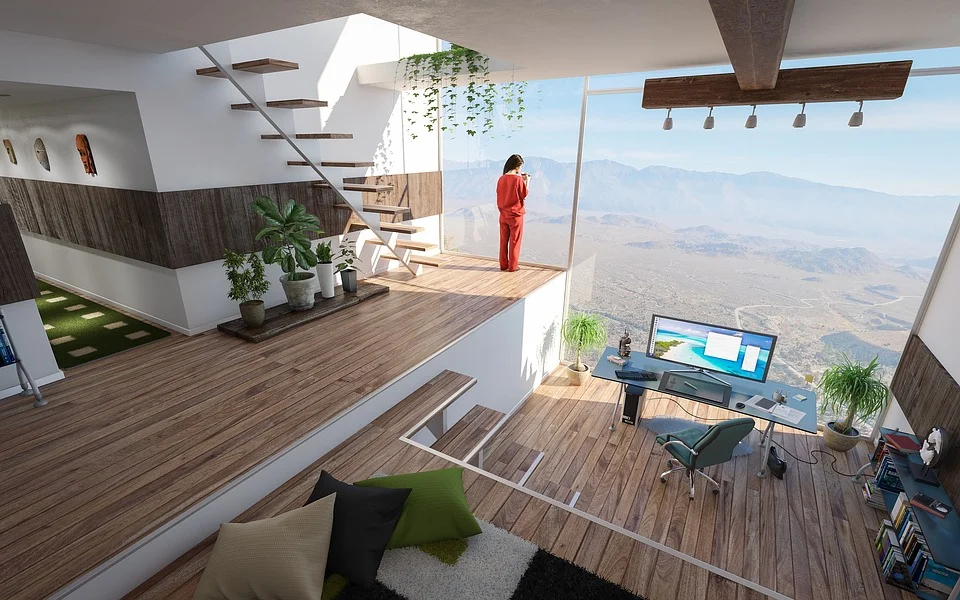
happy living room.jpg

Sometimes it’s fun to explore a new angle of interior design. Interior Design isn’t about wanting things to be perfect or providing a beautiful outward appearance to peers or even about having the best of everything. Interior design is about providing a beautiful space to further enhance where a person and/or family spends their time, makes their memories and strives to be their happiest.

As an interior designer I don’t have to tell you about the science behind interior design or the psychology behind color but do your clients know the value you bring to them not only as an interior designer but as an expert in creating a happy space?

I know every interior designer treats their business a little bit different, every interior designer has their own ‘why’ and their own branding.

A post I think you should consider sharing with your target market either as an email or a blog post would be The Value of Using an Interior Designer. This is great for residential and commercial. Commercial spaces need happy people, too.

In addition to writing about the time and money savings involved in using an interior designer include a bit about the science behind design and the benefits interior design can have on mental health. More than ever people are striving to be happy and that starts by waking up in a happy space, eating in a happy space, winding down in a happy space, spending time in a happy space, working in a happy space and making memories in a happy space.

There are several ways to look at the benefits of interior design and at the end of the day which of those benefits most resonates with your target market? Figure it out and promote that benefit or benefits the most and if you are looking for a new angle to promote - promote a beautiful and happy space!


Need a Few New Sources?

Sources for interior designers

Sources for interior designers

I know a lot of interior designers talk about sourcing and where to find great products. I’m sure you have your favorite go-to sources but it’s always great to find a new one now and again. Below are a few great new sources that other interiors designers have been raving about recently, so I had to share!

OKAwww.oka.com

Originating in England, OKA offers exquisite, original collections of furniture and décor that are designed to inspire practical living and effortless entertaining. Synonymous with good taste and excellent style, we have furnished homes all over the world for the past 20 years.

This company does offer an affiliate program with a 6% commission.


Maiden Home www.maidenhome.com

They offer heritage quality, direct from craftsmen, minus the retail markup. These are timeless pieces that are built to last. Located out of North Carolina they do offer at trade program.


Society 6www.society6.com

This source is very popular among designers for artwork, but they offer a variety of items from tapestries, pillows, shower curtains, comforters, window curtains and more.


McGee & Cowww.mcgeeandco.com

Their products are refreshingly modern and endlessly classic. They offer everything from furniture, rugs, décor, bed & bath, wall décor, lighting, kitchen items and even holiday décor. They offer a trade program for interior designers and are actively looking to build their brand.


Is sourcing not your thing? Please let me know if you need help. We have some great virtual design assistants who love helping our clients with sourcing.

How To Hire An Assistant

office assistant.jpg

Business is booming and you need help! I match virtual assistants to help interior designers manage and grow their business but not all interior designers want to work with someone virtually and that’s okay. You need to do what’s best for you and your business. Are you at a point where you could use some help? Are you getting so busy you are overwhelmed? Are there certain aspects of your business that you dread and continue putting on the back burner? Have you recently considered hiring help? If you answered yes, to any of those questions then this post is for you!

You’ve realized you need help, now what? Take a few moments and make a list of the things you need help with – what tasks do you feel would be the easiest for you to let go of, what tasks do you dread doing and what tasks would really make you feel less overwhelmed if you could outsource them.

Now review that list of tasks – is it possible to outsource them to a virtual assistant or should you consider hiring an in-office assistant? Are these tasks going to take someone 40 hours per week or 20 hours per week or are they really on an as-needed basis? If you need a lot of help with renders, floor plans, administration, sourcing, social media and marketing among other things those can all be outsourced to a virtual assistant. However, if you need help with organizing fabric libraries, running errands, site visits and overseeing projects than an in-office assistant is what you’re going to need to hire.

Whichever route you take it’s best to put together a job listing including the required education, experience and details of the job. The clearer you can be on the job description, qualifications and your expectations the better. You are going to need to advertise for the position online, in a local job board, on LinkedIn, in a Facebook group or in the local newspaper to start generating some resume. Review the resumes and set up interviews.

There are pros and cons to hiring both a virtual assistant and in-office assistant.

Virtual assistants are typically 1099 contractors, they work on an as-needed basis and you can either hire one direct or through a virtual assistant agency. You don’t have to worry about providing them a work space, equipment, benefits or keeping them busy for a certain number of hours. The great ones are super reliable, professional and easy to work with.

The con to hiring virtual is that they are virtual – they are not able to run errands, do site visits or organize things in your office. If you don’t need these types of services, then there really isn’t a con to hiring a virtual assistant.

When you hire an in-office assistant, they are typically an employee that is going to need a work space, equipment, set hours and benefits. They are there in person to help with tasks that require them to be in the office or at a job site. Some business owners like knowing they can see their assistant face-to-face on a regular basis.

Along with the tasks you need completed, your personality also plays a big part in whether you hire virtually or not. I’ve worked in the virtual world for thirteen years and am very used to working with people over the phone, email and Skype or Zoom. Some people aren’t comfortable working in that way and that is okay!

Just as becoming an interior designer isn’t for everyone, working with a virtual assistant isn’t for everyone. And sometimes working with an assistant period isn’t for everyone. But if you are struggling and you need help please let me know.

I’m always happy to answer questions about hiring an assistant whether it’s a virtual one or one that’s in your office.


What You Should Consider Including in Your Interior Design Contract

Interior Design contract

Interior Design contract

When it comes to contracts you should consult an attorney but before you do, what are other interior designers saying you should consider when drawing up your contracts?

Knowing exactly what to include in your interior design contract can be overwhelming. Especially when something comes up that’s not covered. I am NOT a lawyer and I am NOT giving legal advice here but when several interior designers were asked what they would include in their interior design contract, these were some of the answer that they came up with. Of course, all of these may not pertain to you, this list is just to give you some things to think about. When dealing with contracting I suggest you consult with your attorney or purchase legal contracts from a reputable provider. There are a few below that other interior designers have recommended.

What other interior designers say you should consider including in your contract.

1.       If you do not want to hire contractors and be the general on a project add verbiage where the client hires all contractors and is responsible for paying those contractors.

2.       Add a disclaimer that you are not responsible for the quality of items purchased.

3.       Include fees for late payments.

4.       Be sure to include a termination clause where all payment for work already completed and any items ordered will be due in full at time of termination.

5.       If you want to use the photographs of finished work in your marketing, make sure you have a ‘reserve the right to take photos and use those images in your marketing’ clause.

6.       Make sure your fee/payment schedule is clear. Do you require up front payment of any sort, do you bill monthly, do you bill for estimated shipping charges and then reconcile charges at time of delivery? Include everything possible.

7.       Trade sources – This maybe isn’t included in your contract, again consult an attorney, but be careful of sharing your trade resources. There have been instances of clients going directly to the vendors in search of a better deal.

Besides the obvious standard lingo on specifications of work, drawings, etc., what the internet says you should consider when creating a contract.

1.       Consultants and contractors – (similar to above) Some interior designers will oversee the work of contractors and hire their own – others will have the client hire and pay contractors. Be clear about how you run your business in your contract.

2.       Prices guarantees – Be sure to include a clause that does not guarantee the price of goods or other services if you are hiring contractors. Pricing changes can be out of your control and if you quote a client a price today and they decide two weeks from now to purchase that item, the price may have changed. Protect yourself!

3.       Purchasing and Procurement – If you want paid up front for the purchase of goods then put that in the contract and be sure to collect payment at time of order.

4.       Refunds – Be sure to include a clause that states your goods and services are non-refundable. If you are dealing with custom pieces, they are non-refundable.

5.       Cancellations – Like above be sure to have a cancellation clause that states how the payment works upon cancelation/termination.

6.       Reimbursable costs – Be sure to outline what reimbursable charges are such as shipping charges, rendering services, travel, storage, etc.

7.       Payment terms – when is payment due and how often?

8.       Insurance – Be sure to have business insurance to cover your business, liability, commercial auto and possibly even worker’s comp. But also consider in the contracting what the client should have insurance on in regard to their home and goods. Seems silly but who is responsible for all furnishings and materials during delivery, moving and installation?

9.       Photography of completed works – like mentioned above, make sure you make it clear you want photos of the finished product, include that you will not mention the clients name or address in your marketing.

Other things to consider:

·         Revision limitations – you certainly don’t want unlimited revisions, or you may never get a job completed.

·         Fees for interior design work delays – if your client is holding up the project for some reason what are the fees for their delays.

·         Damages

·         Expiration of agreement

·         Access to project

·         Safety on site

·         Ownership of designs – if you own the design make that clear in your contracting so others aren’t able to profit from your designs.

·         Indemnity

·         Site visit and limitations –set a limit of site visits or you may be called to the site frequently by the client for little to no reason at all.

It seems like a lot but the more you have in your contract, the better off you are! There are several great resources for interior design contracts out there. A few that I’ve seen other interior designers recommend are Nancy Ganzekaufer at www.nancyganzekaufer.com or Capella Kincheloe at https://www.capellakincheloe.com.

I am not an affiliate for either one and do not profit from you purchasing anything from them.

At the end of the day you need to be sure that your contract protects yourself from a variety of situations that can come up as an interior designer dealing with clients. The more you outline in the contract the better off you’ll be.

Get your thoughts in order and consult an attorney, it will save you time and headaches in the future!


Let’s Do A Freebie!

Freebie for an email subscriber list

Freebie for an email subscriber list

Let’s talk freebies. If you want to start an email subscriber list or grow one a great way to capture email addresses is by offering some sort of freebie to your potential clients. When choosing a freebie to offer consider your target market and what will most likely speak to them.

I’ve looked over many interior designers’ websites and found some of the most popular freebies to offer people for signing up for your email subscriber list.

1.       A Style Quiz – create a quiz that allows your email subscribers to answer a series of questions that will determine their style.

2.       A Guide to Where an Interior Designer Shops – create a guide filled with your affiliate links to where you shop. This is a freebie to your email subscribers but could generate some great passive income for you when they click on your links to shop.

3.       A Guide that solves a problem – think of the most popular questions your clients and potential clients have asked you and create a guide educating them on that subject. Examples would be how to hang curtains, how to create a gallery wall or how to style a dining table.

4.       Color Palettes – some interior designers will give the top 3 most popular color palette or something along those lines to people for signing up for their email.

5.       A Kitchen Remodel checklist – If you are a kitchen designer, create a checklist of things to consider when remodeling a kitchen. Be sure to add a blurb about the benefits of working with an interior designer when remodeling to generate further interest in your services.

6.       Tips for Simplifying & Decluttering Your Home – Everyone wants a beautiful, clean, happy home so how do they achieve that? One of the best ways is to simplify and declutter, but where to start? Create a download on how to simplify and declutter your home.

Now that I gave you ideas on the types of freebies you can offer your potential clients, what kind of freebie would you like to see from me? A free email template for your subscriber list? A guide on how to write the perfect blog post? Let me know and I’ll put it on my website.

Of course, if you are already subscribed to my email, I’ll simply email you the freebie when it’s ready.

Thank you for your continued feedback! It brings me great joy to help you with your business adventures in interior design.

Have a wonderful week!

Connect with Your Target Market Through Video

Connect with target marketing through video

Connect with target marketing through video

I imagine you’ve been a witness to the increased use of video in business today. As our world continues to gravitate to more of a virtual world video has become a great tool to connect with current and prospective clients. The form of marketing has worked wonders for many businesses including interior designers but as an interior designer how do you best utilize video to engage with your prospective clients?

Here are some great ideas for creating videos your clients will love.

1.       Video a paint consult. Showing your target market your process is a great way to gain trust and start a relationship with them. People may not even realize they need you until they see you in action.

2.       Showcase a finished space you recently designed. People love seeing newly designed spaces. This will showcase your talents as an interior designer.

3.       Bring your target market behind the scenes. Everyone thinks they can be a designer but once they see the multiple moving pieces involved in the day in the life of a designer, they may decide to hire you instead.

4.       Create videos on styling. People love to redesign their spaces so show them great ways to style a bookshelf, coffee table, dining table, fireplace mantel etc.

5.       Video something unexpected and fun such as designing the perfect floral arrangement, creating a one-of-a-kind piece of artwork or adding unique updates to your switch plate and outlet covers.

Video can be fun, but it can also be a little scary for some. Just be yourself and remember, people love bloopers! Video is just like everything else in life … practice makes it easier and more fun.

Please let me know if you need more video ideas. We will have our own videos coming soon!

Email Templates Are HERE!

email subscriber.jpg

Email templates are in the Shop portion of the website! It’s super simple - all you do is purchase the email copy you want, download it, copy & paste into your email system and send. They are easy to edit and/or use as a base/outline for your own emails. New email copy will be added weekly and you can request specific topics be added to the shop simply by shooting me an email - danae@elitedesignassistants.com.

Why do you need an email subscriber list?

* Email marketing has become the #1 way a lot of successful business owners are creating profits for their business.

*Less than 6% of your followers online actually see the content that you are posting.

*A message is 5 times more likely to be seen in email than on Facebook.

*72% of people prefer to receive promotional content through email.

*The online marketing world believes that 1 subscriber = $1/month.


Why else does an email list matter?

*You own it! Social media is just like working on borrowed property – you don’t own it and you can’t control it.

*You are reaching people who asked to be reached. This is your target market!           

*You can share products, promotions, news, etc.

*You can build a relationship and trust with your subscriber list. You become the expert.

*You can reach people in a more intimate way.

*With an email list you aren’t working against algorithms, follow for follows, bots, etc.

*You have an opportunity to upsell!


What content should you send?

*Send helpful information that will solve a problem for your target market.

*Send a newsletter, link to other content, promotions, launches and announcements.

*Make sure your content is thoughtfully curated especially for your target market.


Have no idea what to send?

We are here to help!

*Purchase targeted email content at $15 per email. This email content is written specifically for interior designers to send to their subscriber lists.

*Save time and money by following our email sequences and purchase our email templates!

*Inquire about working with a copywriter to write custom content.

*Send me what problems your clients have or topics would’ve love to cover and I’ll write the content and add it to the site for you to purchase and download.

Email Method

1.       Create an email sequence (weekly works best)

2.       Send welcome email

3.       Offer solutions to problems

4.       Turn your subscribers into paying clients


Start tuning into your clients’ needs and focus on generating more profits using email. If Facebook, Instagram, Pinterest, Twitter and all other social media went down for a day – how would you reach your clients and target market?

If you have any questions regarding our email templates or services please don’t hesitate to reach me at danae@elitedesignassistants.com. Also, be sure to sign up for my weekly emails - they are chock full of helpful information!


Getting The best ROI on a Virtual Design Assistant

Interior Designer

Interior Designer

One of the best parts of my job is getting to visit with interior designers daily. Many of them use our service and many of them call to pick my brain on how they should be using my service when they are ready.

Billable Hours

The key to using a virtual design assistant is to be organized. Before you can hire an assistant, you need to know what you want that assistant to do.  To get the best return on investment (ROI) some of my clients start using their assistant to do the things they hate but are still billable hours to a client. For example, I have clients who hire a virtual design assistant to do their 3d renders, mood boards, furniture sourcing, floor plans and other tasks that are billable hours to the client. My clients are getting more done per hour and are able to make more money.

Let’s look at this example:

You work for Client A and you put in 10 hours of billable hours at $75 per hour. You made $750 in that 10 hours.

Or you hire an assistant to work for Client A for 10 hours and charge $75 per hour and pay your assistant $30 per hour. You make $45 per hour or $450 but in that same 10 hours you worked on Client B for 10 hours and made $750, therefore the total you made in the same 10 hours is $1200 making your hourly rate for that block of time $120!

Does that make sense? This is how you can get a great return on investment by using a virtual design assistant. You are able to take on more clients and make more money without having to pull more hours out of a hat. Remember, we all get the same number of hours in a day and the only way to increase your income without working an insane number of hours is to increase your hourly rate.

Marketing

Another great way to increase your ROI is to hire your virtual design assistant to do your marketing. This could be your social media posts, blog posts, engagement, etc. The marketing is what drives clients to your business. Hiring someone to post and engage consistently and persistently will really help keep the pipeline full!

I’ve got another example:

You are too busy working on 4 clients this month that you slack on your marketing. You make $1500 per client or $6,000 total for the month. Now that your client work is finished you spend the next two weeks marketing and trying to drum up more clientele. Finally, after three weeks of marketing you drum up another 4 clients. That first $6,000 technically got you through 7 weeks – 4 weeks of client work and 3 weeks of marketing.

Or you hire an assistant and pay her $600 per month to do your marketing and keep your pipeline full. As soon as one client is finished you are able to jump to another – so after 7 weeks of working you’ve now worked on 7 clients and made $10,500 (considering $1500 per client) minus the $600 for your assistant doing your marketing and you’ve made $9,900.

Administrative

Do you spend a lot of time on admin? Admin works similar to marketing – if you hire someone to do your admin and pay them less than you make per hour working on clients it’s a great benefit to you! Let’s say it takes you 8 hours per week to create proposals, send invoicing and schedule appointments. You can pay a virtual assistant $30 per hour to do that while you use that time to work on your client’s projects and bill $75 per hour. You can work 8 hours per week for free or hire an assistant for 8 hours per week at $30 per hour and pay her $240 while you work on a client for 8 hours at $75 per hour and bill $600. In the same 8 hours that you used to make zero dollars you are now making $360 after you pay your assistant.

Those are just three of the ways you can get a great ROI on your virtual design assistant. Please feel free to reach out to me with more questions!


How To Write A Blog Post For Beginners

Blogging for Beginners

Blogging for Beginners

One of the most popular requests we get is to help interior designers with their blog posts, emails and website/marketing content. We do offer these services either as a custom copywriting service, an email template you can purchase from my website (coming very soon) or a mini blog writing course (coming soon). All of our services are geared specifically for interior designers so if you are interested in learning more about writing and how we help interior designers in all aspects of their business please subscribe to my weekly email. That was a shameless plug, I know – but I really do give out a lot of free info!

Let’s get to the real reason you’re reading. I’ve been writing since I was a kid, I have a bachelor’s in journalism, and I write blog posts and magazine articles on a weekly basis. Writing didn’t always come easy for me and writing certainly wasn’t always fun but over the years I’ve come up with ways that get me writing on a regular basis with a steady stream of topics.

What to write about?

The first question I often get is – What do I write about? As we all know we need to write great content but what’s considered great content?

The easiest thing to do is to write about what you already know. As an interior designer the best blog posts are the ones where you are answering common questions your clients have. You know … the questions you hear a million times, it’s because your clients are interested in that information. Start brainstorming topics that often explain to your clients or prospective clients. I’ll give you some topics to get started.

1.       How high to hang curtains

2.       How to arrange a gallery wall

3.       How to choose the right paint color

4.       How to mix metals

5.       Popular design rules that are meant to be broken

6.       Hottest trends of 2019

7.       How to design a (pick any room) in 90 days

8.       Timeless design elements

9.       How to select the right size of rug

10.   How to mix old and new items

Another type of post clients love is before and after photos. They love to see transformation so be sure to include your own work in your blog posts. It could be as simple as transforming someone’s master bedroom or entry way. This would work well with the ‘How to design a room in 90 days post’. You could do an entire series on how to design a room in 90 days and just use different spaces each time.

When should I write?

Now that you have a variety of topics how do you go about writing about them. First, set aside time to write! I write for a living but it’s not my entire job, so I still set aside time to write. I’ve discovered my most productive times of the day and days per week and I maximize those times. I can tell you that my least productive writing time is Friday afternoon, so I don’t bother writing during that time because I’ll just end up wasting my time spinning my wheels. By Friday afternoon my brain as already escaped to the weekend. Schedule time, gear up and get to it!

How should I write?

To begin writing first you need to organize your post just like you organize your thoughts. I’m sure you’ve verbally explained many of the topics you’re going to write about so many times you may even have a memorized script in your head. Put that script on paper. Feel free to write like you talk because a blog post should be reflective of who you are. Don’t get caught up with spelling errors or improper grammar … that is what spell check is for.

When I write, my personality is reflected in my writing – I was a journalism major which is very different than an English major. English majors are sophisticated and elegant. Journalist are real and raw – when you write a blog post you are writing for your brand so feel free to be you!

I’m not a psychologist nor do I play one on television, but I think one reason why people dislike writing is because it makes them uncomfortable. Having someone read what you wrote can feel so personal and when you write – even if you are just writing about how to hang curtains - it’s like you are baring a bit of your soul. To get past that feeling just write, edit, post and move on. Who cares what people think – if someone has enough time on their hands to critique your writing than you should feel bad for them. Just as with everything else in life – writing takes practice. The more you write, the more comfortable you’ll be.

How to format a post?

Now you have a topic and you’ve organized your thoughts so how do you format your post?

I’m sure you’ve read enough blog posts to see the different styles of formatting and really it just comes down to how comfortable you are in your writing skills. Some writers do a paragraph by paragraph format broken up with images.

Others do a headline and bullet point format broken up by images.

And some do mostly images with just a sentence or two in between, so as you can see your blog post can be image heavy or copy heavy, whichever works best to get your point across. And some will do a video blog post to bypass the writing all together but talking about video is for another day.

Most common Dos & Don’ts with blog post writing

Do – write good content. The most common good content is actionable and helpful. This is why you should write about all the topics your clients ask you questions about. What do your clients want to know and what do you love to teach?

Do – post frequently and consistently. I do one post per week and find that sufficient for me. The more you write the better and faster you’ll get.

Do – write like you’re having a one-on-one conversation. You are engaging the reader with your words and the goal is to teach them something new. Write your posts as if you are talking to an old friend.

Do – be you! I can’t stress this enough. You can view the most successful bloggers out there and they will all have very different writing styles. The right clients will be drawn to you for your personality.

Don’t – worry. Seriously, take a deep breath – tell yourself that writing will be fun and just do it. One of the reasons why I love writing is because I love researching and learning about new things. Then I turn that research into teaching others about that topic. I love helping others and I know you got into interior design to help others design great spaces. So, use that concept to help others learn about the topics that you can teach them about.

Don’t – procrastinate. Procrastinating something you are already anxious about just creates more anxiety. I promise once you start writing you will get more comfortable with it. There are people out there who hire copywriters because they either don’t have time or they hate writing … anyone who hates writing could learn to appreciate it – it’s all about perception.

Start perceiving writing as a creative tool to engage your clients and increase your business. I am naturally a glass-half-full kind of girl so maybe I’m being overly optimistic on how others can perceive writing. If you are a glass-half-empty kind of person there is still a bright side … you at least have a glass. 😉

If you still have questions, concerns or need more help with how to write a blog post I’d love to hear from you! I’m always happy to help.



Multi-Vendor Affiliate Programs

vendor.jpg

I’ve written about affiliates before. They are a great way to make some passive income. If you are already writing blog posts about your designs or posting pins on Pinterest with a ‘Shop the Look’ sort of pin then affiliate vendors are the perfect way to makes some extra money.

How does an affiliate work? You sign up for your favorite vendors affiliate program and then you include your affiliate links for your favorite home décor on your social media. When someone clicks on your affiliate link and makes a purchase, you get a commission! Affiliate links are the perfect way to monetize blog posts, Pinterest pins and social media posts.

Although you will get the largest commission going directly to the vendors to get an affiliate link if you are trying to do this on your own it can get very time consuming. Another, easier way to use affiliate links is by signing up with multi-vendor affiliate programs. These programs allow you to have one affiliate account but use multiple vendors. The commission is typically at a lower rate with these programs but for busy designers the simplicity can trump higher commission rates.

Some of the most popular multi-vendor affiliate programs among interior designers are the following:

1.       Share a Sale

2.       Shop Your Likes

3.       Pepperjam

4.       Amazon

5.       Rakuten Marketing

6.       VigLink

7.       CJ Affiliate

8.       Shop Style Collective


Start making more money today! Please let me know if you have any questions or if you’d like information on how you can work with a virtual design assistant to get your affiliate programs set up for you.