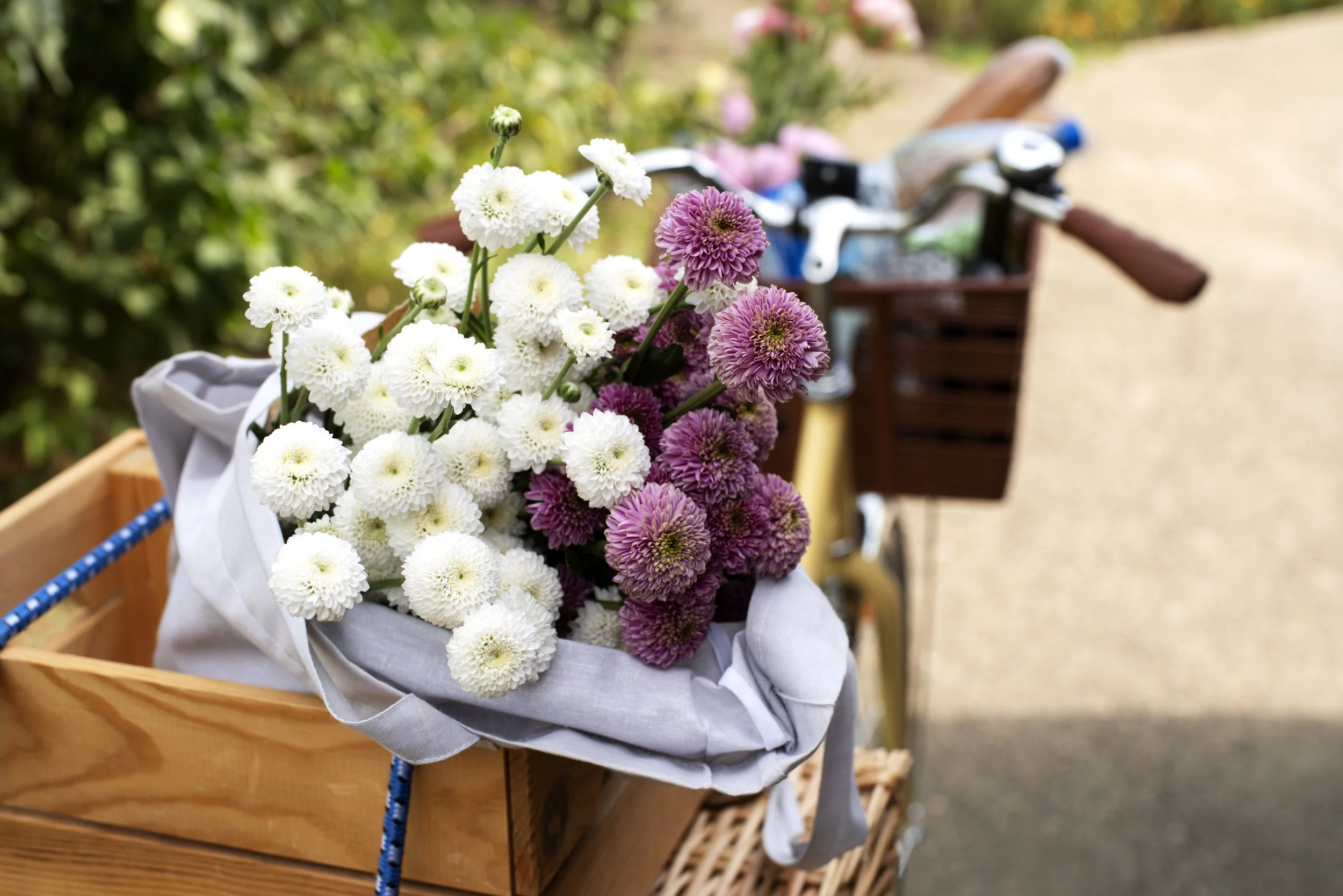
A Guide to the Ultimate Staycation

If you find yourself unable to jet off to a tropical paradise with crystal-clear waters and white sandy beaches, don't fret. You're not alone in wanting to make the most of your home and local area during your vacation days. Your days off are precious, so instead of feeling like you're missing out, let's turn your staycation into a great and memorable experience! Here are eleven fun activities to do with friends, family, or on your own.

A friendly tip: Resist the temptation to sneak a peek at your work inbox. Remember, you're ON your staycation!

1. Host a Cultural Night

Go on a journey around the world without leaving your city by hosting a cultural night with a few friends or family. Choose a country or region of interest and plan an evening filled with authentic cuisine, music, and activities. Get everybody to bring a traditional dish (or prepare them together), laugh while trying to learn a dance or musical instrument, and immerse yourself in the customs and traditions of that culture.

2. Create a Spa Retreat at Home

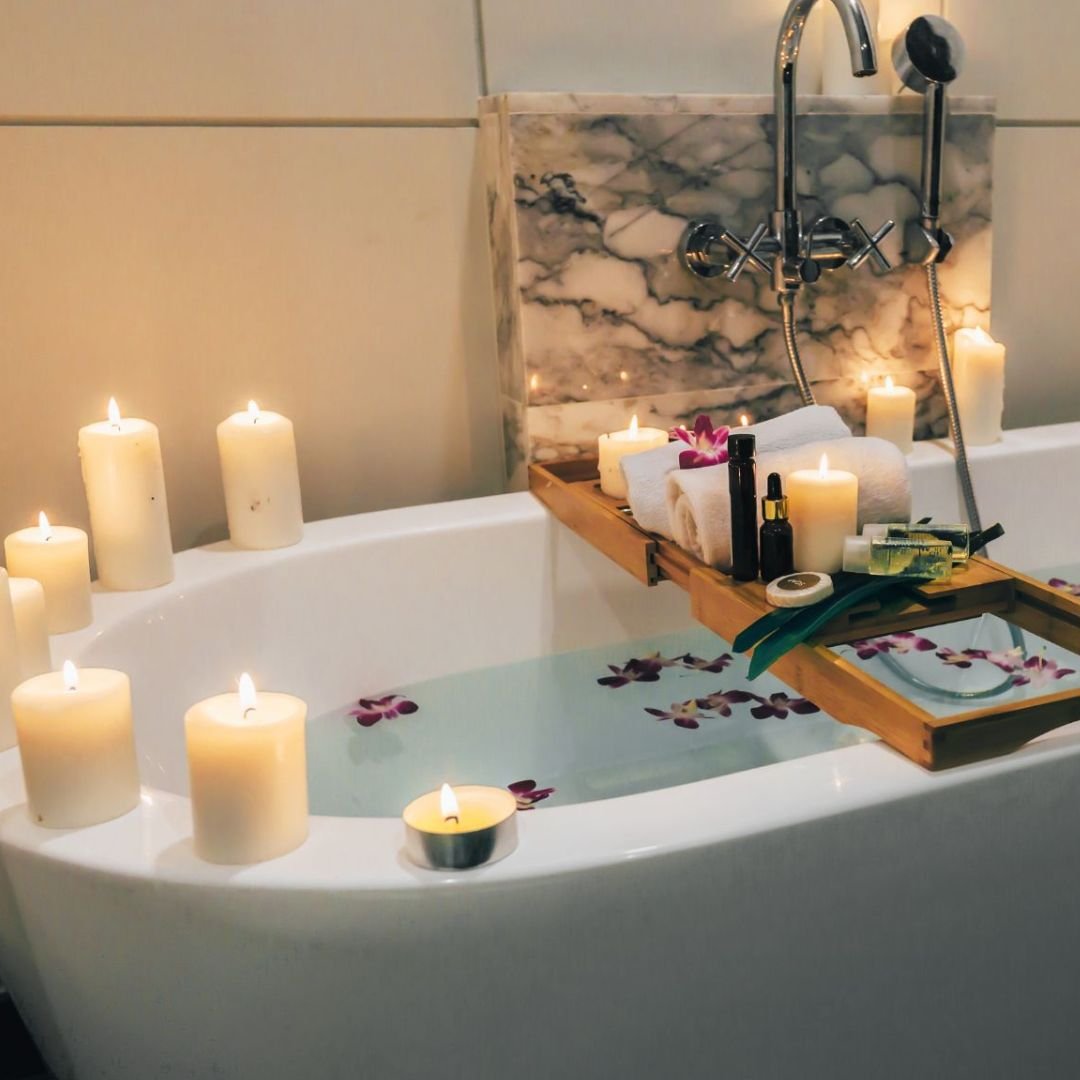
Take some time to indulge in pure relaxation right in the comfort of your own home by transforming it into a tranquil spa retreat. Set the mood with your favorite scented candles and play some soothing music in the background. Treat yourself or invite a friend for a spa day filled with luxurious bubble baths, facials, body scrubs, and cocktails or mocktails.

3. Have a Mini Film Festival

Create a unique movie marathon by organizing a mini film festival at home. Choose a theme or genre, and carefully curate a selection of films that align with your chosen theme. Set up a cozy viewing area with soft blankets, pillows, and dim lighting. Take breaks between movies to discuss and analyze the films, adding depth to your cinematic adventure.

4. Explore the Local Area

Discover the hidden gems and lesser-known areas of your own city. Break free from your daily routine and become a tourist in your hometown. Explore new restaurants, learn about the history and architecture, and seek out local nature spots or spend a night in a charming bed and breakfast in a neighboring town.

5. Plan a Backyard Campout

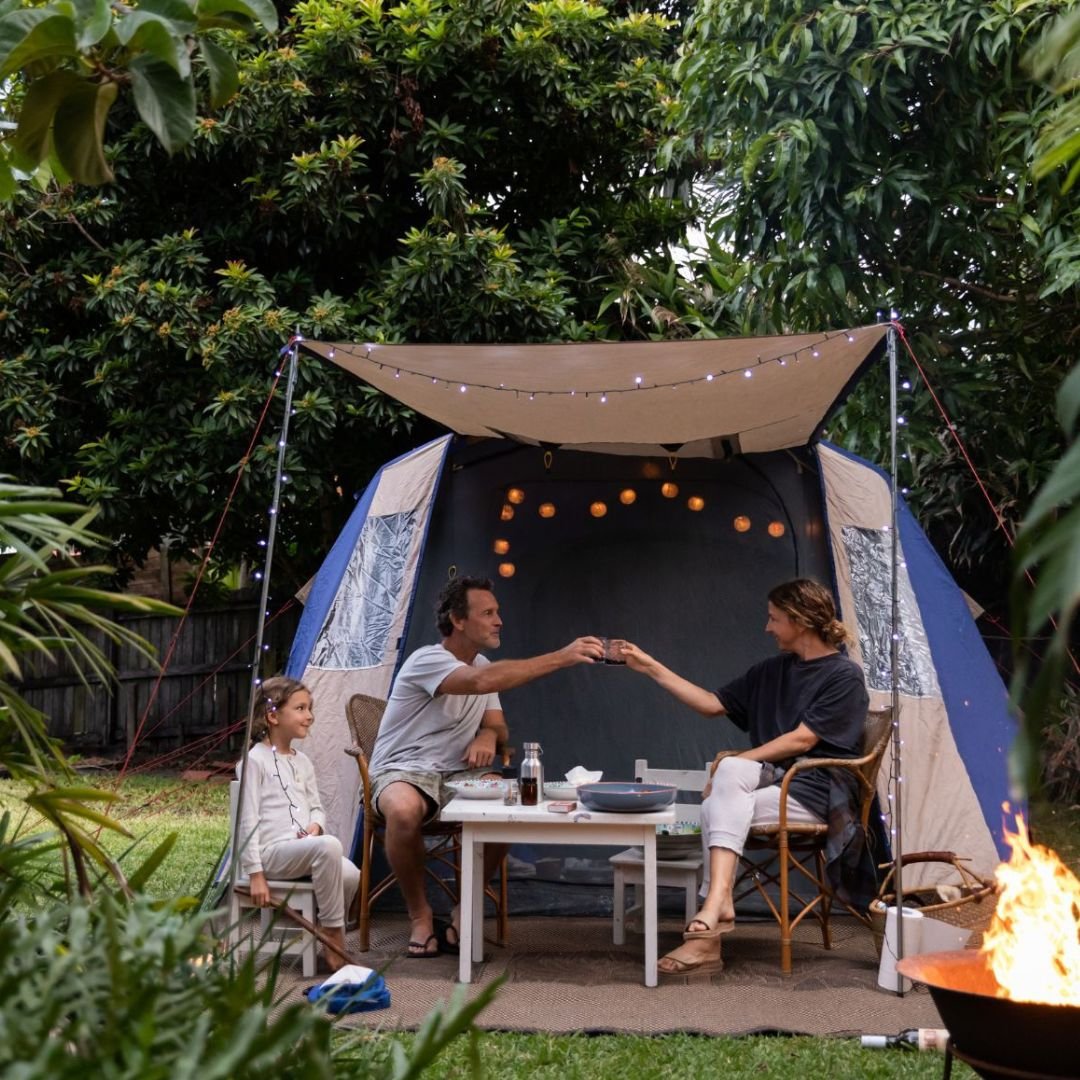
Escape to the outdoors without leaving your backyard by setting up a campsite. Pitch a tent, decorate with twinkling fairy lights, and create a cozy outdoor living space with comfy cushions and blankets. Gather around a fire pit, roast marshmallows, and share stories under the starry night sky. Embrace the simplicity of camping while enjoying the comforts of home.

6. Create a DIY Escape Room

Challenge your problem-solving skills by designing a thrilling DIY escape room. YouTube has many tutorials for puzzles, clues, and riddles that will engage your friends or family. Test your abilities to think critically and work together to solve the ultimate mystery. The excitement of escaping a fictional scenario will make your staycation unforgettable.

7. Visit Museums Online

If you're yearning for a dose of culture, you can now explore the finest art and exhibits right from the comfort of your own home. Thanks to Google Arts & Culture's collaboration with over 1,200 museums and galleries worldwide, you can embark on virtual tours and explore online exhibits of renowned cultural institutions. It's like stepping into a museum without ever leaving your sofa.

8. Set Up a Fun Photoshoot

Let your creativity shine by organizing a do-it-yourself photoshoot. Choose a theme, gather props and costumes, and transform your home or a local outdoor location into a personalized studio. Experiment with various poses, lighting techniques, and angles to capture unique and memorable moments. Express yourself artistically and create lasting memories.

9. Volunteer in Your Community

Dedicate a day of your staycation to giving back to your community. Research local volunteer opportunities, such as assisting at food banks, participating in park clean-ups, or supporting animal shelters. By contributing your time and energy to a meaningful cause, you'll not only make a positive impact but also feel a deeper connection to your community.

10. Find a New Reading Nook

How about picking up a juicy novel to transport you to another world? You can head to a new café with a cup of your favorite drink and get lost in the pages while enjoying the cozy ambiance. Or, pack a picnic, spread out a comfy blanket, bask in the sunshine, or find a shady spot under a tree, and let the fresh air and nature's beauty complement your reading adventure.

11. Create a Time Capsule

Capture the essence of your staycation by creating a time capsule. Gather meaningful items, letters, or photographs that represent your experiences and feelings during this time. Bury the time capsule in your backyard or store it in a safe place to be opened in the future. It's a cool way to preserve memories and reflect on the moments that made your staycation special.

So, while you may not be jetting off to a faraway destination, your vacation time can be a true adventure within the comfort of your home and local area. I hope these ideas help you make the most of every moment during your staycation!

 xx, Danae

How to Create a Digital Detox Plan Without Pausing Your Life

From project management to style inspiration to networking, interior designers rely heavily on screens. And at the end of a long work day, sometimes you just want to unwind with social media or TV. However, this constant exposure to screens can lead to headaches, strained eyes, sleep troubles, and an overall feeling of disconnect. If you find yourself yearning for a break and seeking a sense of grounding amidst the digital chaos, you're not alone. Keep reading for 5 practical ways to step away from the screen without compromising your productivity.

1. Practice Mindful Digital Usage

Instead of mindlessly scrolling through social media or endlessly browsing the internet, practice intentional and mindful digital usage. Set a specific purpose for using your devices and limit the time spent on non-essential activities (e.g. 15 minutes for design inspo or funny videos). There are likely time usage control settings in your phone’s own system, as well as within popular social media apps, to help you snap out of it.

2. Establish Digital-Free Mornings and Evenings

Begin and end your day without immediately reaching for your phone or computer. Set your phone aside after turning off the alarm, or consider using an alarm clock separate from your phone. Use the morning to set intentions, practice mindfulness, or do some light stretching or meditation. In the evenings, wind down by journaling or enjoying a relaxing bath. If that sounds tough, just commit to the first and last 5 minutes of your day, and see how even a little time will make a big difference!

3. Design a Tech-Free Oasis

Designate a space in your home or office that is entirely free from screens and digital distractions. At home, your bedroom might be a good candidate, and you can make it cozy with soft lighting and tactile elements like books, plants, or artwork to engage your senses. At your office, any nook will do. This space can serve as a sanctuary you can retreat to for relaxation, reflection, and creative thinking.

4. Plan Screen-Free Meals

Make a conscious effort to stay off your phone during mealtimes. Instead, fully immerse yourself in the experience of eating, whether during your work day or outside of working hours, whether alone or accompanied. Savor the flavors, engage in conversation with loved ones, and appreciate the simple pleasure of nourishing your body and mind.

5. Engage in Analog Hobbies

Rediscover the joy of analog hobbies and activities that don't involve screens. Think about analog activities you can do instead of reaching your phone at different times throughout the day. For example, why not join a book club and read to wind down after a long day? Try a hobby like painting or DIY projects as a creative outlet, or try volunteering on weekends to socialize with others in a fulfilling way. Activities like these provide a much-needed break from technology while allowing you to tap into your creativity, connect, and unwind.

In a nutshell, embracing mindfulness and intentionality in your screen time is the key to naturally reducing its hold on your life. By replacing screen activities with alternative options, even if it initially feels challenging, you'll provide much-needed respite for your eyes and mind, while rediscovering genuine connections that may have been missing. Start small, and you’ll remember how satisfying it is to spend more time in the analog world!

xx, Danae

Move Over Sunbathing; Have You Tried Forest Bathing?

What if I told you that there's a hidden oasis of relaxation, without the scorching UV rays and pesky sand, where you can disconnect from everyday noise and reconnect with nature? It’s time to try forest bathing!

What is Forest Bathing?

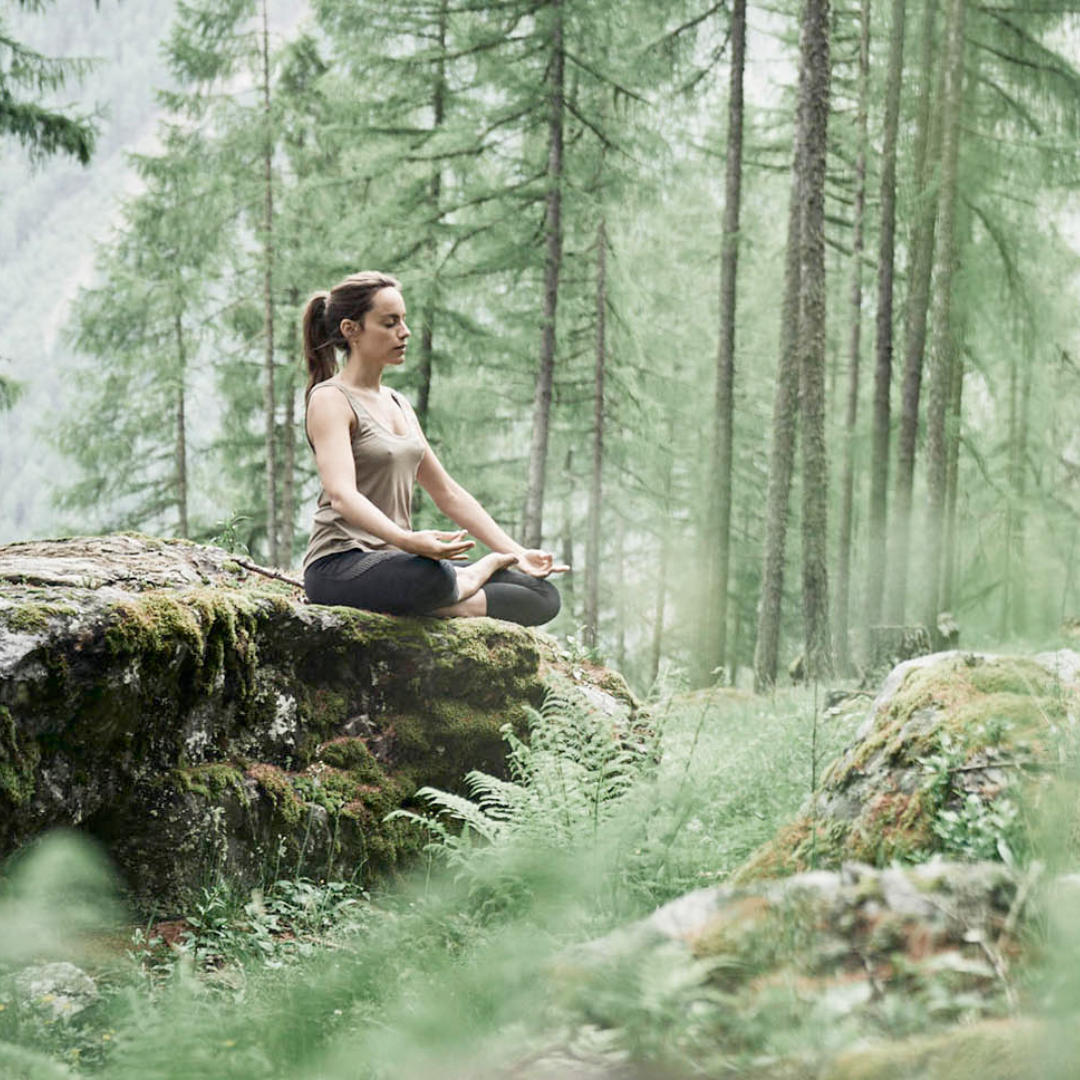
No, it's not taking a bath amidst the trees (though that could be quite an adventure!). Forest bathing, or "Shinrin-yoku" as it's known in Japan, is the practice of immersing yourself in the soothing embrace of nature, particularly the forest. It's not a bath in the traditional sense but more like a sensory soak in nature's serene beauty. The term was coined in Japan in the 1980s and has since gained popularity as an alternative form of relaxation and rejuvenation.

Not Your Average Hike

Unlike hiking or trekking, forest bathing doesn't involve conquering peaks or covering vast distances. It's a slow, mindful, and meditative experience. Imagine strolling leisurely through the woods, allowing yourself to be fully present in the moment, and embracing the sights, sounds, smells, and textures of the forest. It's a chance to let go of stress, quiet the mind, and connect with nature on a deeper level.

Benefits of Forest Bathing

Beyond the obvious appeal of a relaxing experience (ecotherapy, anyone?), the forest air is filled with phytoncides, natural chemicals that support the immune system. Immersing yourself in nature can spark creativity and improve focus and clarity of thought. Being in nature also promotes better sleep quality, leading to more restorative rest.

How to Engage in Forest Bathing: A Gentle Guide

Choose your Destination: Find a forest or wooded area near you. It could be a local park, nature reserve, or any green space with plenty of trees. The more diverse the flora, the better.

Gear Up: You don’t need much; just be sure to dress for the weather, and consider bringing a picnic blanket, a journal with a pen, and snacks and water if you’ll be out for a while.

Disconnect to Reconnect: Leave behind the distractions of technology. Turn off your phone or put it on silent. This is your time to be present with nature, not with screens.

Use All Your Senses: As you walk, engage all your senses. Notice the rustling of leaves, the chirping of birds, the earthy aroma of the forest floor, and the feel of the bark against your fingertips. You can even place your bare feet on the earth for a “grounding” experience.

Find Your Spot: When you feel drawn to a particular spot, pause and stay there for a while. It could be near a stream, under a majestic tree, or wherever you feel most comfortable.

Be Mindful: Let your thoughts come and go like leaves floating downstream. Be fully present in the moment and observe without judgment.

Stunning Forest Bathing Destinations

The United States boasts an abundance of natural wonders, and several places are perfect for indulging in the magic of forest bathing, including:

  • Redwood National and State Parks, California

  • Acadia National Park, Maine

  • Olympic National Park, Washington

  • Great Smoky Mountains National Park, Tennessee, and North Carolina

  • Adirondack Park, New York

If you're planning to venture into a new or remote region for your forest bathing experience, it's wise to consider making it a group excursion for added safety. Fortunately, there's a growing availability of guided tours that can enhance your forest bathing journey, such as this one in Asheville, North Carolina, or this one in Honolulu, Hawaii.

However, you don’t need to embark on grand journeys to far-off destinations for a transformative experience. Whether you choose to wander alone or gather friends, start by taking small, mindful steps right in your local area. Explore the nearby parks, meander through wooded areas, and let the enchanting beauty of nature surround you. Happy forest bathing!

 xx, Danae

Mindset Matters: Affirmations to Help You Thrive as an Interior Designer

As interior designers, our mindset plays a vital role in our daily work and overall success. The way we think and talk to ourselves can significantly impact our mood, creativity, and ability to handle challenges. It's easy to cringe or feel a bit ridiculous when imagining muttering feel-good mantras to ourselves, but let's not forget the harsh put-downs we give ourselves all too easily when we make a mistake or feel inadequate. Amid demanding deadlines, client revisions, and creative blocks, it's easy to get overwhelmed and lose sight of our own worth and capabilities. That's where the power of affirmations comes in. Even if only to counterbalance that negative self-talk, why not give affirmations a try?

Affirmations are positive statements that we repeat to ourselves to cultivate a mindset of confidence, resilience, and success. By incorporating affirmations into our daily routine or using them whenever the need arises, we can shift our self-talk and improve our overall well-being as interior designers. Here are seven examples of powerful affirmations to help you thrive in your professional journey:

"I am a talented and skilled interior designer."

Remind yourself daily that you possess the talent and creativity necessary to excel in your profession. Especially on days when you’re doubting yourself.

“Every setback is an opportunity for growth and learning; I am resilient and adaptable.”

Interior design is a field that constantly presents new challenges. Adopting a growth mindset will enable you to approach these obstacles as learning experiences rather than defeat.

"I am confident in presenting and defending my design ideas."

Confidence is key when it comes to presenting and defending your design choices. Remind yourself that you have the expertise and knowledge to articulate your vision with conviction.

"I am resourceful and find creative solutions to design challenges."

Resourcefulness is a valuable trait for any interior designer. Affirm that you possess the ability to find innovative solutions to design challenges, leveraging your creativity and problem-solving skills.

“I am deserving of success and abundance in my career as an interior designer.”

Believing in your worthiness of success and abundance sets the stage for attracting opportunities and achieving your goals.

"I am grateful for every opportunity to create beautiful spaces."

Gratitude is a powerful mindset tool. Express gratitude for every project and every opportunity to create beautiful spaces. By cultivating a sense of gratitude, you will approach your work with enthusiasm and appreciation, ultimately enhancing the quality of your designs.

"I take care of myself to maintain a healthy work-life balance."

As interior designers, it's crucial to prioritize self-care and maintain a healthy work-life balance. Remind yourself that taking care of your well-being is essential for your creativity and overall success.

There are no hard and fast rules when it comes to affirmations. Feel free to modify the suggestions above or create your own entirely. There are also many different kinds of affirmation audios available on popular platforms like Spotify. The essential aspect is to crystallize the affirming idea you need most and pronounce it (even if it's silently in your thoughts). By adopting these affirmations, you can cultivate a mindset of confidence, resilience, and creativity that will propel you forward in your career. So, next time you’re feeling distraught at your desk, take a deep breath and try an affirmation!

xx, Danae

Six Simple Ways to Add Self-Care into Your Workday

On some work days, you may find you just don’t have any time left for yourself. You had wanted to prepare a wholesome meal or hit the gym, but they got pushed to the back burner. And at the end of the day, you’re feeling neglected…by yourself. Sound familiar?

I propose a different approach. Why not focus on implementing small-scale actions that can seamlessly integrate into your day, rather than viewing self-care as a separate task that can be postponed or shuffled aside? By incorporating even a single intentional act of self-care into your daily routine, you can steer yourself toward a greater sense of well-being. Besides, if you’re feeling better, your business will be in better hands.

In that spirit, here are 6 examples of little ways you can add some self-care into your work day, starting today.

Take Real Breaks

Instead of mindlessly getting caught up in phone scrolling as a means of escaping stress throughout the day, grant yourself the gift of a genuine break. Set a time limit, allowing yourself to fully detach from work without any guilt. Use this time for activities that replenish your energy and promote well-being, such as taking a brisk walk, indulging in stretching exercises, reflecting through journaling, repeating affirmations, or simply savoring a refreshing glass of water while consciously relaxing your breath. These micro-breaks can boost your energy levels, improve focus, and reduce mental fatigue.

Set the Mood

As interior designers, you’re a pro at making other people’s spaces beautiful, but in all the chaos, your own workspace might be missing out on that TLC. Bring one or two small details that bring you joy into your workspace, like a scented candle or plant. Evaluate whether your setup is ergonomic and comfortable for you. Buy that cute stone mug that you’ll be reaching for throughout the day. Your workspace should reflect your personal style and be a source of inspiration and tranquility as you work your magic.

Engage in Mindful Eating

It's common for professionals to eat lunch at their desks while multitasking. However, practicing mindful eating can bring a sense of calm and enjoyment to your workday. Take the time to savor your meals, focusing on the flavors, textures, and aromas. Eating mindfully not only promotes better digestion but by paying attention to your body's needs and nourishing yourself with nutritious meals, you'll feel more energized and ready to tackle your design projects. 

Establish Necessary Boundaries

Getting into the habit of setting healthy boundaries with clients and colleagues is a transformative practice that can shield you from unnecessary stress and conserve your valuable time and energy. By recognizing and asserting your boundaries, you regain control over how your projects unfold, striking a balance between taking charge and accepting the elements beyond your control. This shift in mindset enables you to operate from a place of peace and empowerment.

Express Appreciation

In the whirlwind of the workday, it's easy to get caught up in the relentless cycle of tasks and responsibilities. But it’s so worth it to pause and acknowledge both your personal accomplishments and those of your team. Let yourself bask in the satisfaction and say, "Yes! I nailed it!" Go out of your way to recognize and appreciate the outstanding work of your team members. By cultivating this positive atmosphere, you're nurturing yourself and those around you, fostering a space where you can thrive.

Follow an EOD Routine

Allocate the final 10 minutes of your workday to check off tasks and review your agenda for the following day. By following this ritual, you can ensure that everything is in order and gain a sense of accomplishment. Being clear on what awaits you the next day provides peace of mind and allows for a genuine disconnection from work. Rather than constantly wondering if you overlooked something important, you can truly relax and enjoy your time away from the office.

Remember, self-care is not a luxury; it's a vital ingredient for your overall well-being and success. By incorporating these small acts of self-care into your workday, you are taking proactive steps to prioritize your needs and nurture yourself. So, starting today, make a commitment to infuse your day with moments of self-care. You deserve it, and your professional journey will thrive as a result.

 xx, Danae


DIGITAL TEMPLATES?

We love helping busy interior designers like you! So, in an effort to provide the best resources possible, WE WANT TO HEAR FROM YOU about what templates you’d like to see from us. Browse our current collection of templates here for any you might need or want, and email us at danae@elitedesignassistants.com to let us know what other templates you’d like us to make and have available for instant download! 

6 Tips for Designing Healthy and Happy Workspaces

Did you know that the average office worker spends 90,000 hours at work over a lifetime? As an interior designer, you have the power to create workspaces that not only look amazing but also promote the health and comfort of those who use them. A good work environment is not just a nice-to-have, but a critical element in improving employee productivity, job satisfaction, and overall well-being. While ergonomic furniture and natural lighting are great starting points, there are several often overlooked design tips that can make all the difference. Let's explore some modern, creative, and realistic tips for designing healthy and happy workspaces.

1. Set up varied spaces.

To create a more functional and productive workspace, it's important to consider the different needs of employees throughout the day. Sitting at the same desk all day can hinder creativity and focus, so it's a good idea to offer a variety of workspace options and rest areas, including personal and hot desks, meeting rooms, quiet pods, lounges, and social areas. To make the most of limited space, modular furniture can be a wonderful solution. This way, employees can have the freedom to move around and choose the best environment for their current task.

2. Mix and match.

A workspace doesn't have to be sterile or boring. A good way to break up the monotony is by mixing and matching textures and fabrics to create a more inviting atmosphere. Consider adding soft furnishings like cushions or rugs to counterbalance the harshness of hard surfaces commonly found in office spaces. In addition to adding texture, incorporating a range of finishes and colors throughout the space can also breathe new life into an office. You can use different colors and finishes to create distinct zones. By adding variation and depth to the design, you can create a more dynamic and inspiring environment.

3. Bring in the greenery.

Adding plants to an office space is a trend that's here to stay. Not only does it enhance the aesthetic appeal of the space, but it also aligns with the biophilic design trend that mimics nature, boosting employees' mood and providing a refreshing burst of oxygen. A green wall or a few potted plants can make a world of difference. Just make sure to opt for real or high-quality faux plants, as cheap plastic ones may backfire on morale.

4. Make a splash.

Adding a water feature to an office space can do wonders for everyone's well-being. Not only does it connect us with nature and promote healthy hydration habits, but it can also bring back that good old water cooler culture. So, why not consider incorporating a stylish water fountain that not only serves as a drinking fountain but also adds a touch of decor to your office?

5. Promote movement.

Sitting for extended periods can take a toll on employee health. Standing desks or adjustable workstations are a solid start, but there are also many other creative ways to encourage movement. You could provide access to simple fitness equipment or yoga mats, which can benefit both physical and mental well-being. Additionally, incorporating fun elements like pull-up bars or even a ping pong table in the common areas can provide opportunities for employees to get their blood pumping and bond with coworkers, which boosts productivity and overall job satisfaction.

6. Integrate Interactive Elements.

A workplace design that caters to the organization's values and culture enhances a sense of community and belonging among the employees. Consider incorporating interactive elements that reflect the company culture, such as a designated wall for employee photos or a cork or marker board for sharing achievements, classifieds, or positive feedback. This encourages personal connections and adds to the overall atmosphere.

As experts in creating beautiful spaces that offer uplifting experiences, you can thrill your clients and their staff by crafting an office space that prioritizes the health and happiness of its inhabitants, ultimately contributing to their success–and yours!

xx, Danae

6 Simple Steps to Creating a Picture-Perfect Picnic

There's nothing quite like a picnic, is there? It’s the ultimate flexible and wallet-friendly way to enjoy all kinds of different settings in the great outdoors and soak up some much-needed vitamin D. Picnics are the perfect way to spend an afternoon with friends, family, or a romantic date, no reservation necessary. You can stay as long as you’d like, and you have complete control over the menu. Oh, and done right, it’s irresistible Instagram material. As interior designers, we often can’t pass up an opportunity to style a shoot.

So, whether you're a seasoned picnic pro or amateur, I'm here to share my checklist that will make your picnic prep quick and carefree.

1. Scout the right setting

A successful picnic is all about enjoying the atmosphere, so scope out the location and check the weather ahead of time (even though you never know). Some common–for good reason–picnic destinations include a local park, beach, or riverfront. But you can also search near you for lookout points, botanical gardens, vineyards, rooftops, boats for rent, or even farms that are open to visitors. Just make sure there’s a nice, even surface to set up on, preferably far from any traffic, and check for any local restrictions or regulations that might affect your picnic plans, such as no-alcohol or pet-free zones.

2. Make up the menu

It may be easiest to pitch the potluck approach, and there’s nothing wrong with that. But if you’re aiming for an aesthetic picnic, you might need to take charge. Choose items that are easy to serve and won't spoil or melt in the sun, but also consider their presentation.

One favorite option is a simple cheese and charcuterie board (on a cute cutting board, of course). Another great option is a DIY sandwich bar with fresh bread, meats, cheeses, and condiments. Olives and nuts make great finger snacks. Mason jar salads, a crudité platter with hummus or other dip, or colorful veggie chips are healthy additions, and fruit skewers or chocolate-dipped strawberries for dessert. Some great drink options are cucumber water, fresh-squeezed lemonade, flavored kombucha, wine or champagne. Remember to bring a cooler with ice!

3. Serve sustainably

Taking a cue from the mason jar salad idea, using eco-friendly supplies is a must for any responsible picnic-goer. Opt for reusable plates, cups, and utensils made from materials like bamboo or stainless steel. Glass champagne glasses can add an elegant touch to any picnic, unless you have small children or pets running around. Consider investing in a set of reusable cloth napkins. Not only do they look cute and Instagram-worthy, but they're also much more environmentally friendly than their paper counterparts. All of these items can be washed and reused for future picnics, reducing waste and saving you money in the long run.

4. Create a cozy atmosphere

Being comfortable is essential to really enjoying the experience, and no one wants to sit on a hard, bumpy surface for even 5 minutes. Bring enough cushions for each person to sit on, and even a few extra blankets for the ground or in case it gets chilly. Or bring foldable chairs and a table, if sitting on the ground isn’t your thing. Consider bringing a portable shade canopy or umbrella to provide an escape from strong rays. And if you're worried about pesky bugs, light a citronella candle and keep food covered when possible. Pro tip: sprinkle chalk or talcum powder around your picnic blanket–or use a DIY bug spray with essential oils like lavender, eucalyptus, and peppermint with water–which deter ants from crashing your party.

5. Add low-maintenance activities

While eating and chatting the afternoon away may be more than enough to keep you busy, it can be fun to play some games. With so much already going on, you’ll want to keep these activities low-maintenance. So choose simple games like frisbee, fishbowl, charades, giant jenga, cornhole, or a deck of cards (beware of windy days!) that can provide hours of entertainment without too much setup or clean up. Another great option is to bring along a Bluetooth speaker and put on a collaborative playlist (be sure not to disturb others nearby). For a more serene vibe, activities like yoga or painting can be a fun addition. Or if you must go all out, why not set up an outdoor cinema with a portable projector?

6. Style the shot

Every element mentioned above is an opportunity for a visually appealing addition to your picnic scene. So think about what theme or color scheme you’d like to follow. Romantic Mediterranean? Colorful hippie? Sweet and rustic? Starting with the quintessential picnic item, your picnic blanket, and choose matching cushions. A classic wicker picnic basket is always charming, or opt for a more contemporary take. Other items that can serve as props in your photos include cute serving trays, fresh flowers or greenery, straw hats, sunglasses, books, or even someone’s bike! Remove unappealing objects such as any wrappers, phones, or other personal items that only add clutter. Take photos at different times to catch flattering lighting, such as the golden hour. Try photographing your picnic from a variety of perspectives, including from above, showing a bit more of the environment, and of course, including your loved ones to capture the wonderful memory.

Picnicking isn’t just a meal; it’s an experience that allows you to enjoy the great outdoors and create lasting memories with your loved ones. By following these tips, you can elevate your picnic game and create a delightful setting that reflects your personal style. Remember to be flexible, and don't worry too much about the small details. So grab your picnic basket, embrace the spontaneity, and have fun every step of the way.

Happy picnicking!

xx, Danae
Lesser-Known Travel Destinations for Interior Design Lovers!

Maybe you are fortunate enough to have already visited some of the most famous travel destinations, or perhaps you are someone who prefers to explore off the beaten track. Either way, I’ve curated a list of eight alternative destinations that offer a wealth of attractions for enthusiasts of interior design and architecture, promising an extraordinary and unforgettable experience.

Instead of: Mexico City, Mexico

  • While both cities feature colorful facades and wrought-iron balconies, San Miguel de Allende stands out for its colonial-era charm. With Baroque and Neoclassical architecture, ornate churches, elegant mansions, and cobblestone streets, this small town in the mountains of central Mexico is a UNESCO World Heritage Site. It is known for its flower-filled courtyards and charming small-town feel.


Instead of: Jaipur, India

  • Each city having its own unique style of architecture and design, Chandigarh is renowned for its modernist utopia. Designed by the Swiss-French architect Le Corbusier in the 1950s, Chandigarh features functional, minimalist design, bold geometric architecture, and innovative design solutions. Some of the notable landmarks in Chandigarh include the Capitol Complex, the Open Hand Monument, and the Palace of Assembly, which showcase the city's pioneering modernist aesthetic. In addition to its architectural marvels, Chandigarh is also known for its beautiful gardens, such as the Rose Garden and the Rock Garden, and its bustling markets, where you can find traditional handicrafts and textiles.

Instead of: Amsterdam, Netherlands

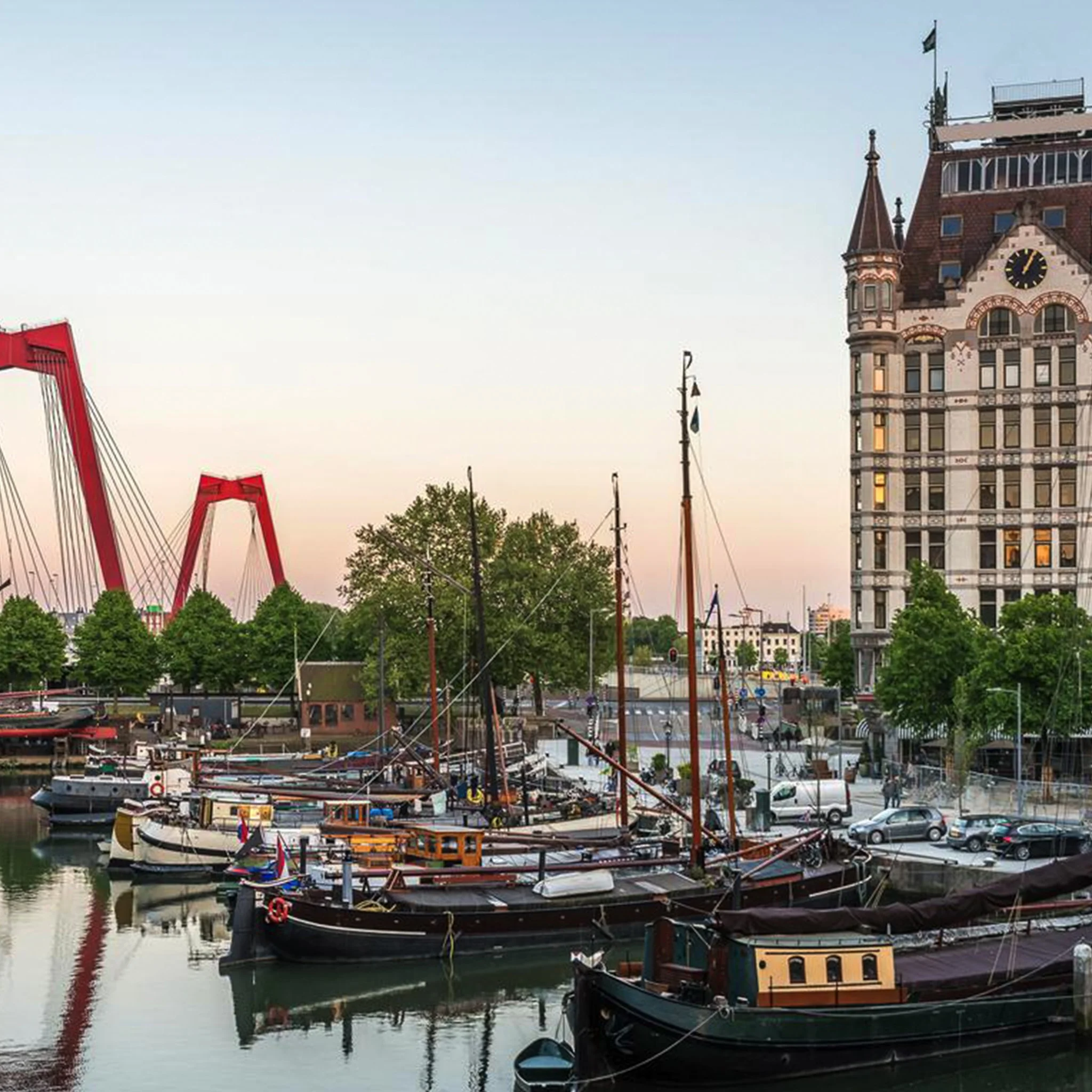
  • While both are Dutch cities that offer a mix of historic and modernist architecture, Rotterdam is known for its cutting-edge architecture and innovative design. Rotterdam is home to a number of stunning architectural marvels such as the Cube Houses, which are a set of innovative homes designed by architect Piet Blom, and the iconic Erasmus Bridge, which spans the River Maas and is a symbol of the city's modernity.


Instead of: Istanbul, Turkey

  • Both cities offer a mix of historic and modern architecture, with a strong influence from the Ottoman and Persian empires. Tbilisi is less well-known than Istanbul, but it offers a similar blend of cultures and a unique architectural style. One of the must-visit points of interest in Tbilisi is the Narikala Fortress, a medieval castle that sits on a hill overlooking the city and offers stunning views of the surrounding area.

Instead of: Copenhagen, Denmark

  • Helsinki and Copenhagen are both Nordic cities that boast impressive design and architecture, but Helsinki is known for its Art Nouveau architecture and its Finnish design heritage. The Design Museum in Helsinki is a great place to explore Finnish design history and contemporary design, while the Arabia Factory, located just outside the city center, is a hub of Finnish ceramics and design. The Finnish capital is also home to some of the most interesting examples of modernist architecture in the world, such as the Temppeliaukio Church and the Kiasma Museum of Contemporary Art.


Instead of: Dubai, United Arab Emirates

  • Both cities offer a mix of modern and traditional architecture, with a focus on luxury and high-end design. Baku is less well-known than Dubai, but it offers a similar mix of opulence and modernity. One of the most stunning architectural attractions in Baku is the Flame Towers, a trio of skyscrapers that are covered in LED screens that display images of flames, making them look like they're actually on fire. In addition, the Heydar Aliyev Cultural Center, designed by the late architect Zaha Hadid, is a stunning example of contemporary architecture and design.

Instead of: Barcelona, Spain

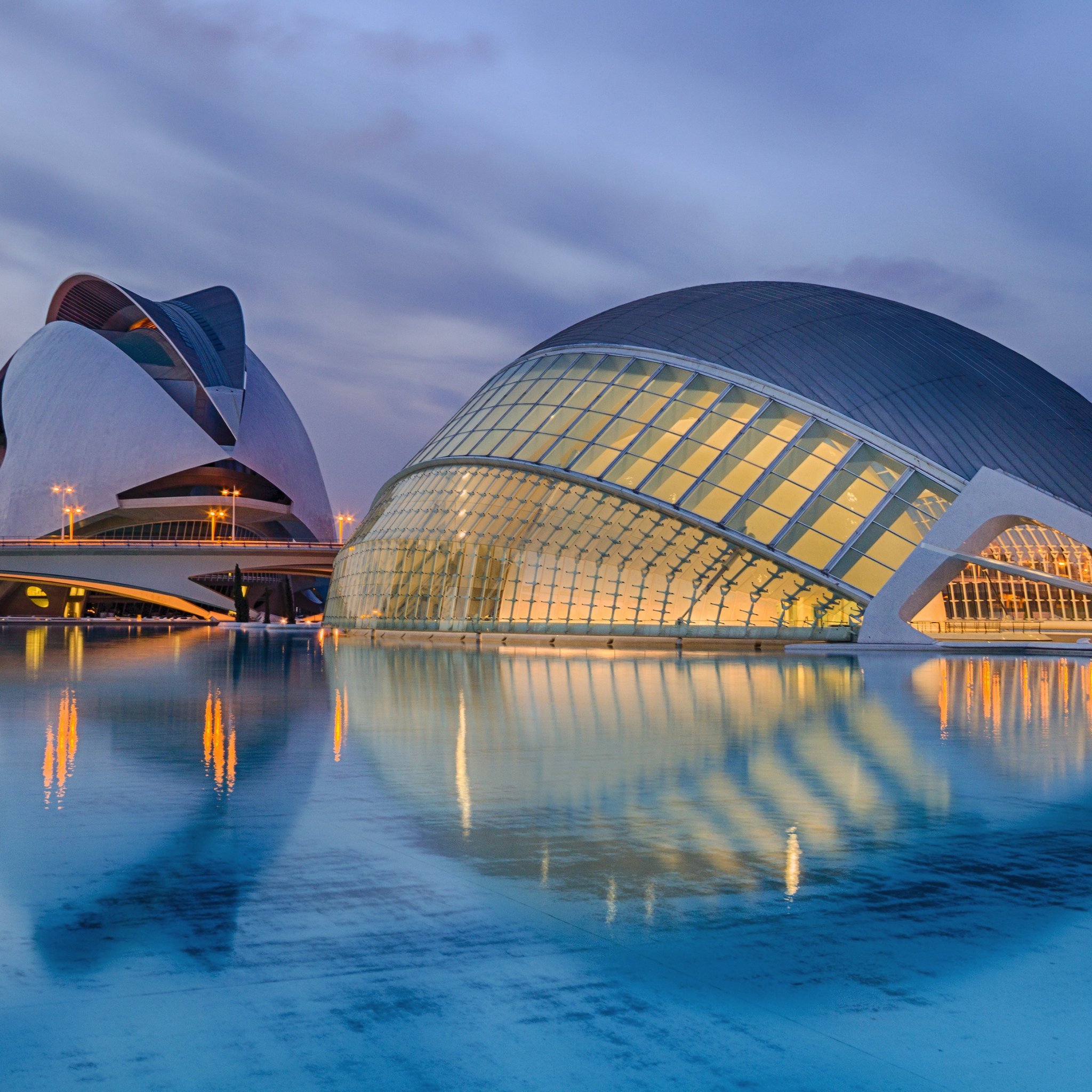
  • Both cities offer a mix of Gothic, modernist, and contemporary architecture, but Valencia is less crowded and touristy than Barcelona, and its architecture is arguably more diverse and less well-known. Valencia is also known for the work of architect Santiago Calatrava, whose futuristic designs can be seen in the City of Arts and Sciences, a complex of cultural and architectural wonders that includes the Hemisfèric planetarium, the Oceanogràfic aquarium, and the Palau de les Arts Reina Sofia opera house.


Instead of: Rio de Janeiro, Brazil

  • While both cities have their own charm, Brasilia is a modernist utopia that is unlike any other city in Brazil. The entire city was planned and built from scratch in the late 1950s, with bold geometric shapes, concrete structures, and innovative design solutions. The city's master plan was designed by the famous Brazilian architect Oscar Niemeyer and, once again, Le Corbusier. Despite being the capital city, it is often overshadowed by Rio de Janeiro as a tourist destination, but it is well worth a visit.


Happy Traveling!

xx, Danae

Shop The Look: Going on a Picnic
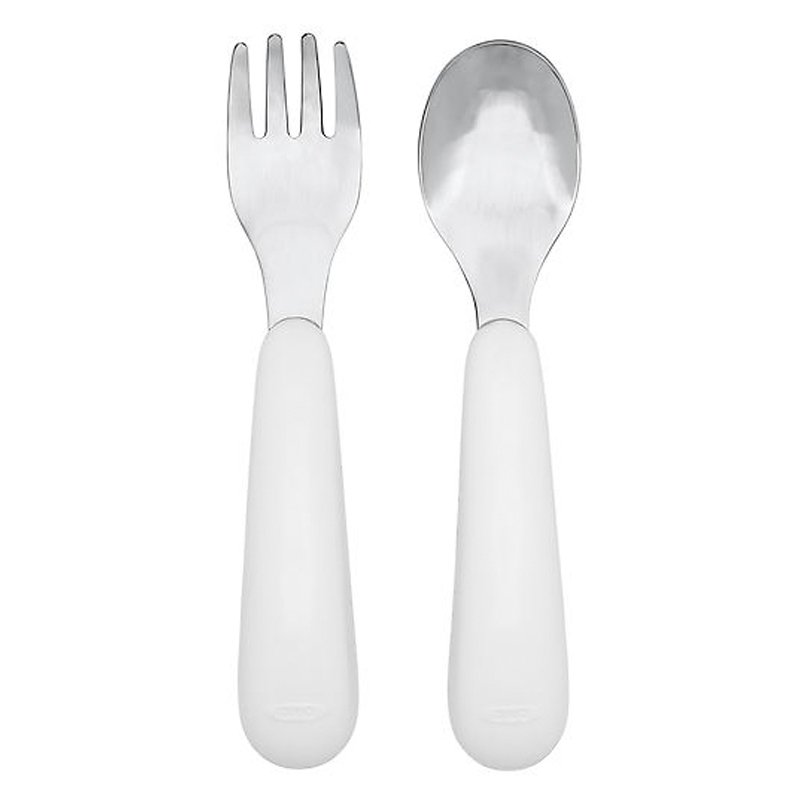
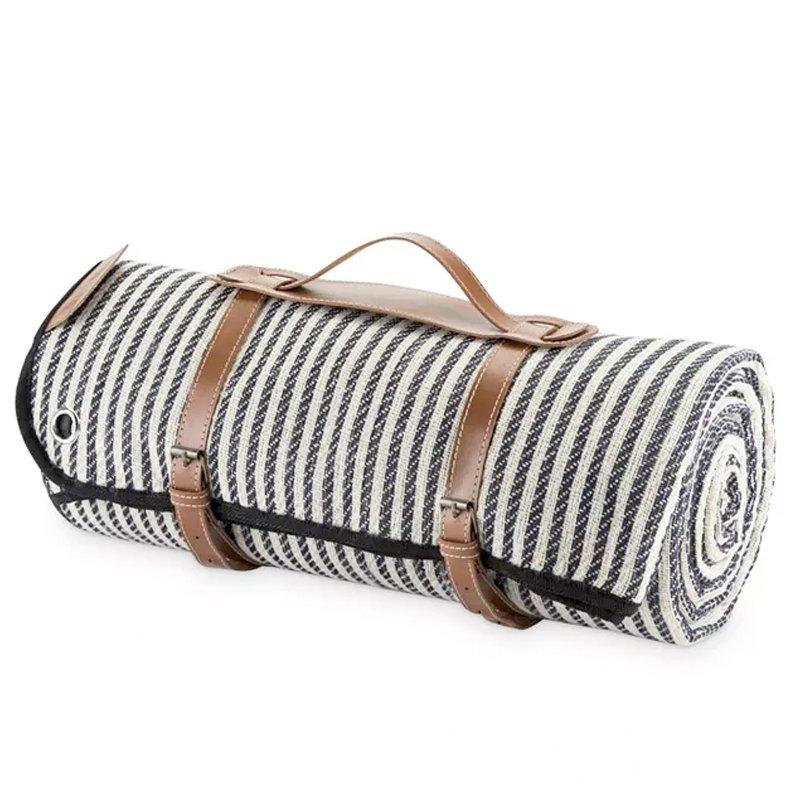
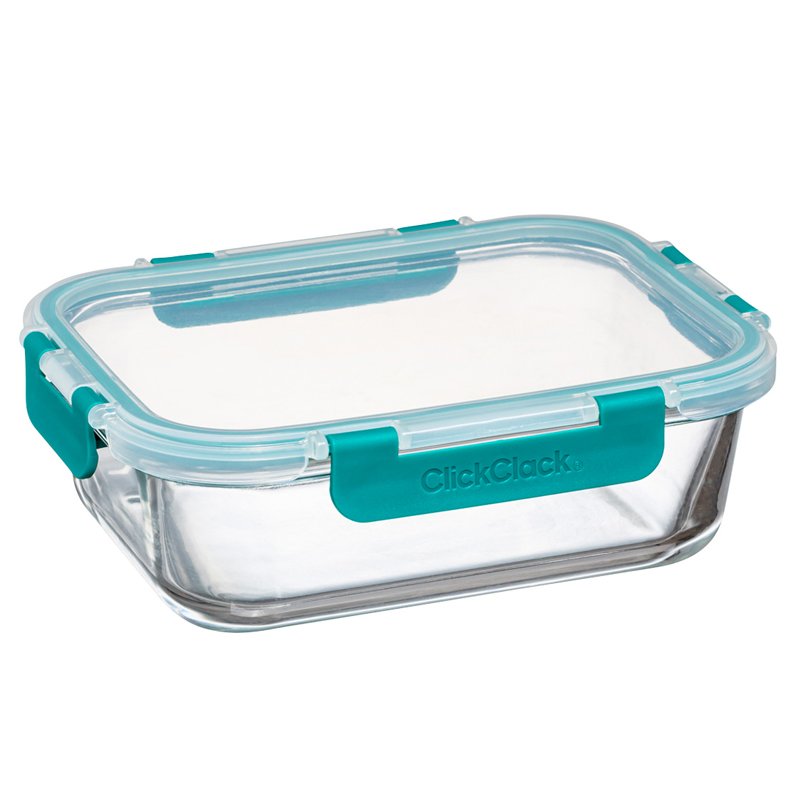
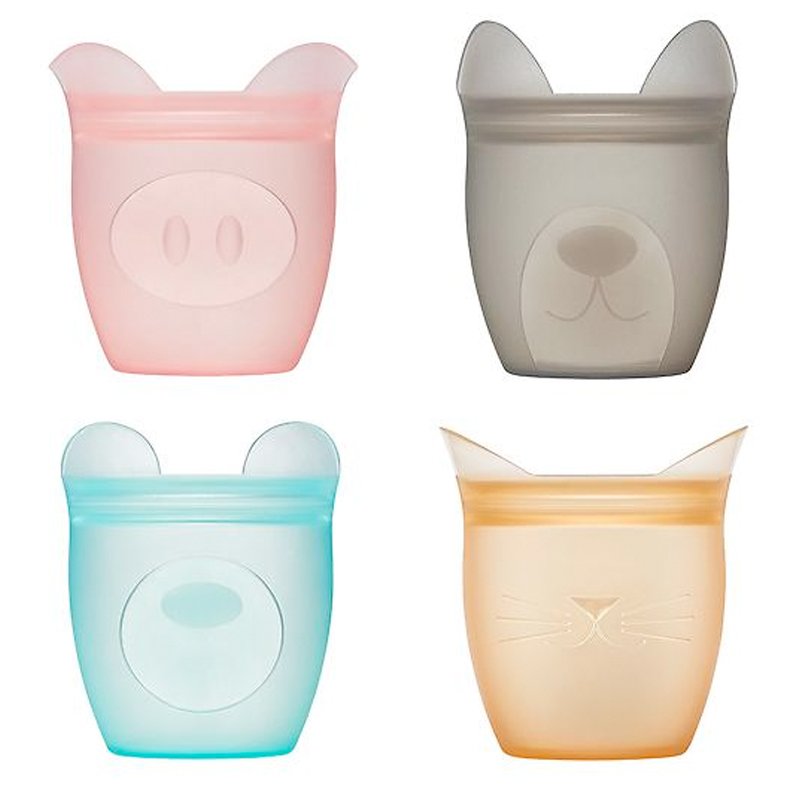
With spring in full swing, it's time for a picnic! Shop these items to make your next indoor or outdoor picnic unforgettable!

SHOP NOW

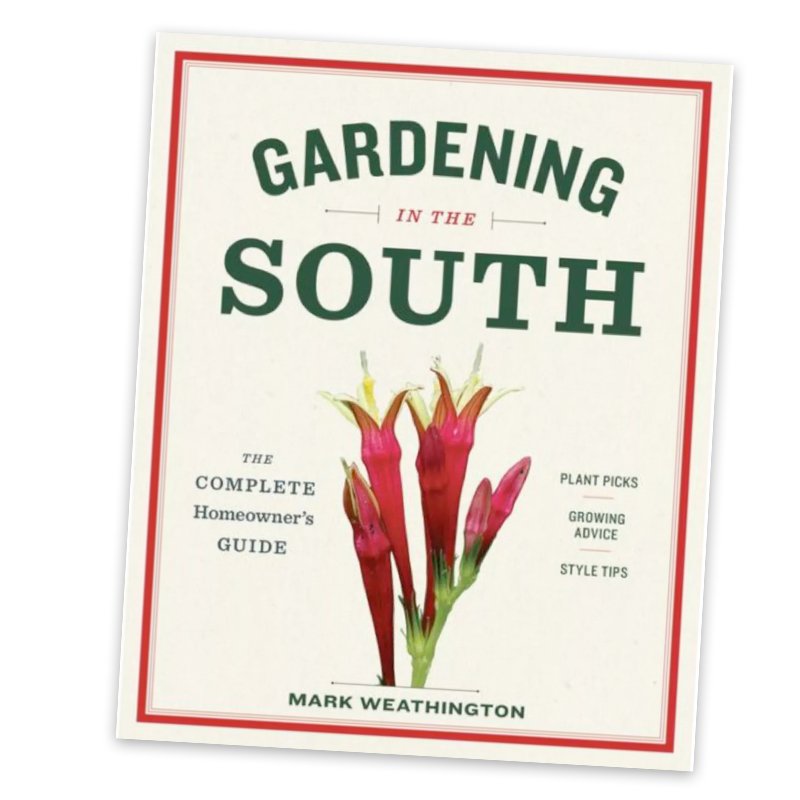
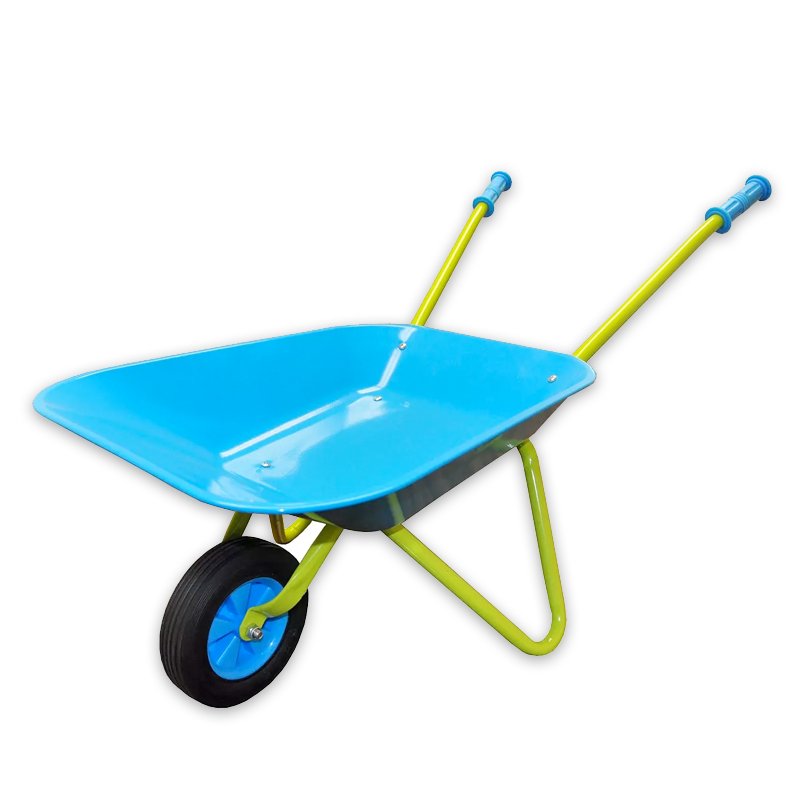
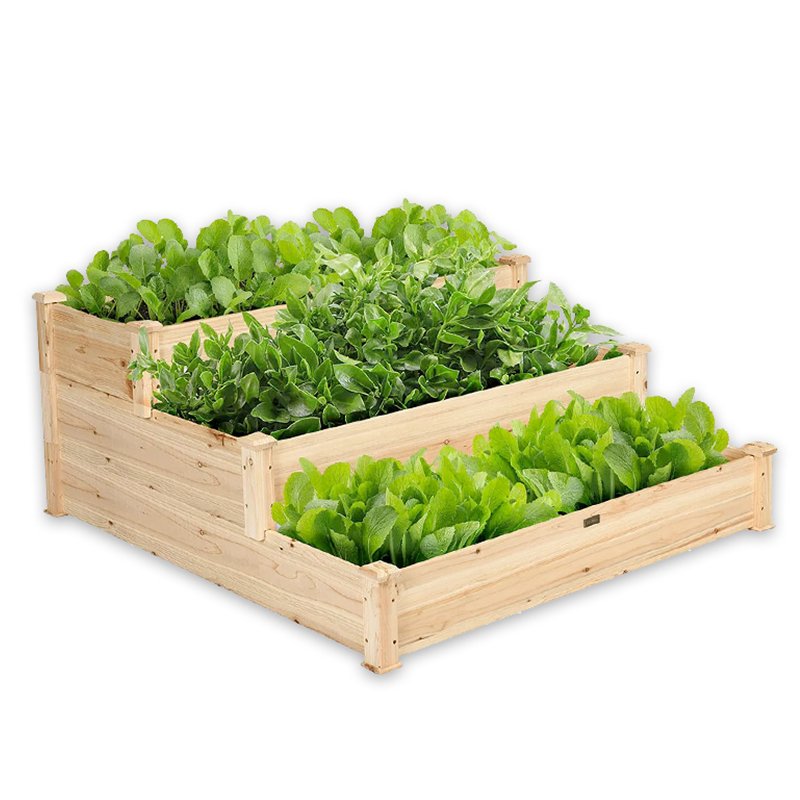
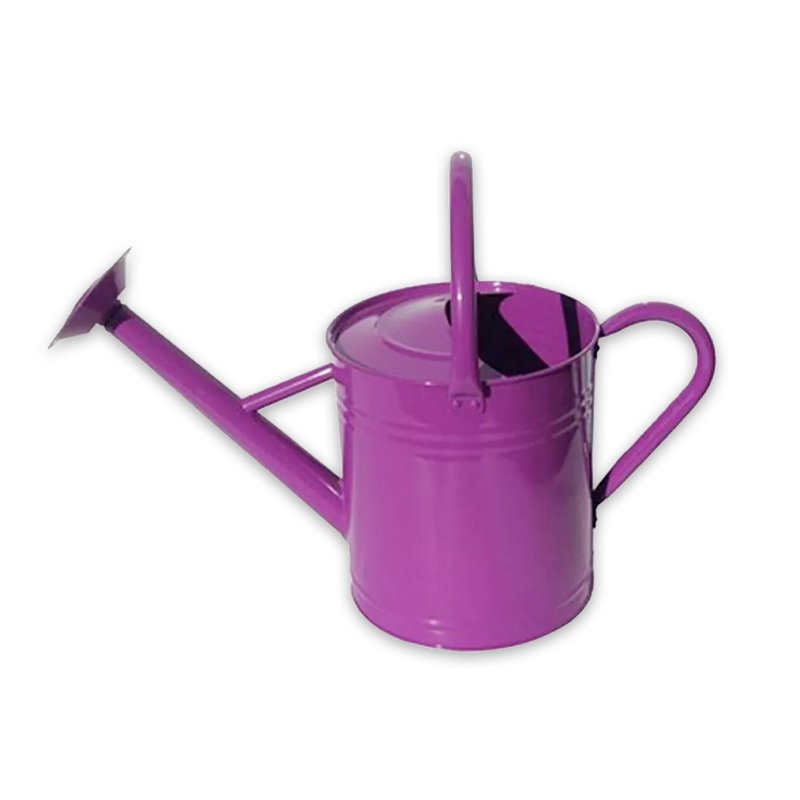
Shop The Look: Gardening!

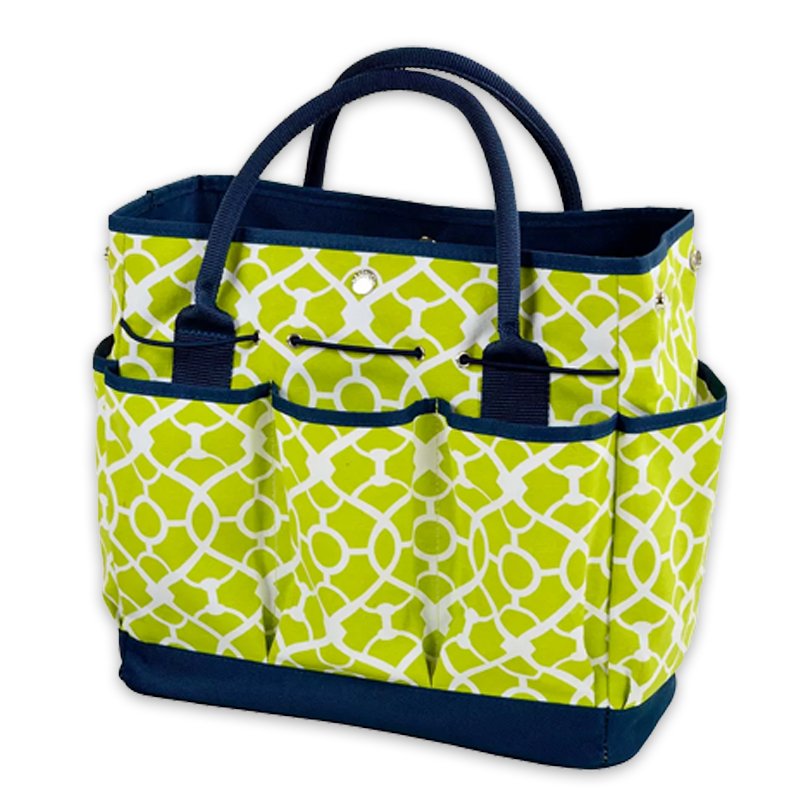
With spring in full swing, it's time to start thinking about gardening! We have collected a few of our favorite gardening items for our latest Shop the Look board! Come shopping with us!

SHOP NOW