Should You Consider Creating a Design Build Firm?

In the ever-evolving landscape of interior design, the concept of a Design Build firm is gaining traction. This approach merges the traditionally separate disciplines of design and construction into a single, streamlined process. But is it the right move for every interior designer out there?

First, let's demystify what a Design Build firm is. Unlike the traditional approach where design and construction are handled by separate entities, a Design Build firm integrates these processes. The essence of a Design Build firm is about fostering a seamless, integrated process that enhances communication, streamlines workflows, and ultimately delivers a more unified vision for the project.

Now, why should you, as an interior designer, consider venturing into the Design Build game? Let's navigate through the pros and cons, and by the end, you just might see your path in a new light.

The Pros

  • Streamlined Communication: One of the standout benefits of a Design Build firm is the streamlined communication between the designer, contractor, and client. This synergy can significantly reduce misunderstandings and misinterpretations, ensuring a smoother project from start to finish.

  • Efficiency and Time Savings: With both design and construction teams working together from the get-go, projects can move more swiftly. Decisions are made faster, and there's a fluid transition from design to execution. This integrated approach often results in shorter project timelines and can lead to cost savings.

  • Enhanced Creativity: With a thorough understanding of the construction process, your design possibilities widen. You're not just designing within the constraints given to you but actively shaping those constraints. This knowledge can elevate your creativity to new heights.

  • Quality Control: Having a hand in both design and construction phases means more control over the outcome. This can lead to higher client satisfaction, as the final product closely aligns with the initial vision.

The Cons

  • Steep Learning Curve: If construction isn't your forte, there's a learning curve to consider. Understanding the intricacies of building processes, regulations, and materials is essential and can be daunting for some.

  • Increased Responsibility: With great power comes great responsibility. Managing both design and construction aspects means you're on the hook for more if things go south. It's a higher risk, higher reward scenario. 

  • Resource Intensive: Starting a Design Build firm requires more than just a vision; it demands resources. From skilled labor to licensing, the initial setup can be resource-intensive and requires careful planning.

Yes, there are hurdles, but the potential for innovation, control, and satisfaction in seeing your designs fully realized is unparalleled. So, should you consider creating a Design Build firm? If the idea of creating a Design Build firm sparks excitement rather than dread, here are a few strategies to consider:

  1. Education and Partnership: Before diving in, educate yourself about the construction industry. Consider partnerships or collaborations with construction professionals who share your vision and can bring the necessary expertise to the table.

  2. Build a Multidisciplinary Team: Assembling a team that includes both design and construction professionals can foster a collaborative culture and ensure that projects benefit from a diverse range of skills and perspectives.

  3. Focus on Communication: Establish clear communication channels and processes to facilitate the seamless flow of information between all team members and with clients. This is crucial for the success of the Design Build approach.

  4. Manage Risk Wisely: Consult with legal and insurance professionals to understand and mitigate the risks associated with construction. This includes ensuring that you have the appropriate contracts and insurance in place.

  5. Start Small and Scale: Consider starting with smaller, less complex projects to build your team's confidence and processes. This allows you to refine your approach before tackling larger, more complex projects.

Looking for a bit more industry wisdom to guide you? LuAnn Nigara, in her "Well Designed Business" podcast, hosted Brad Leavitt across several enlightening episodes (542, 560, 580, 615, 649), where they delve deep into the Design Build world. Leavitt shares insights that are gold for anyone considering this path. His experiences underscore the importance of clear communication, the art of managing client expectations, and the value of integrating design and construction from the get-go. These episodes are a treasure trove of knowledge, offering real-world perspectives on the Design Build process.

Whether your exciting next chapter means expanding into the Design Build arena or other ways of growth, we’re here to support your journey every step of the way!

xx, Danae
Exploring Alcove: The Procurement Solution for Interior Designers

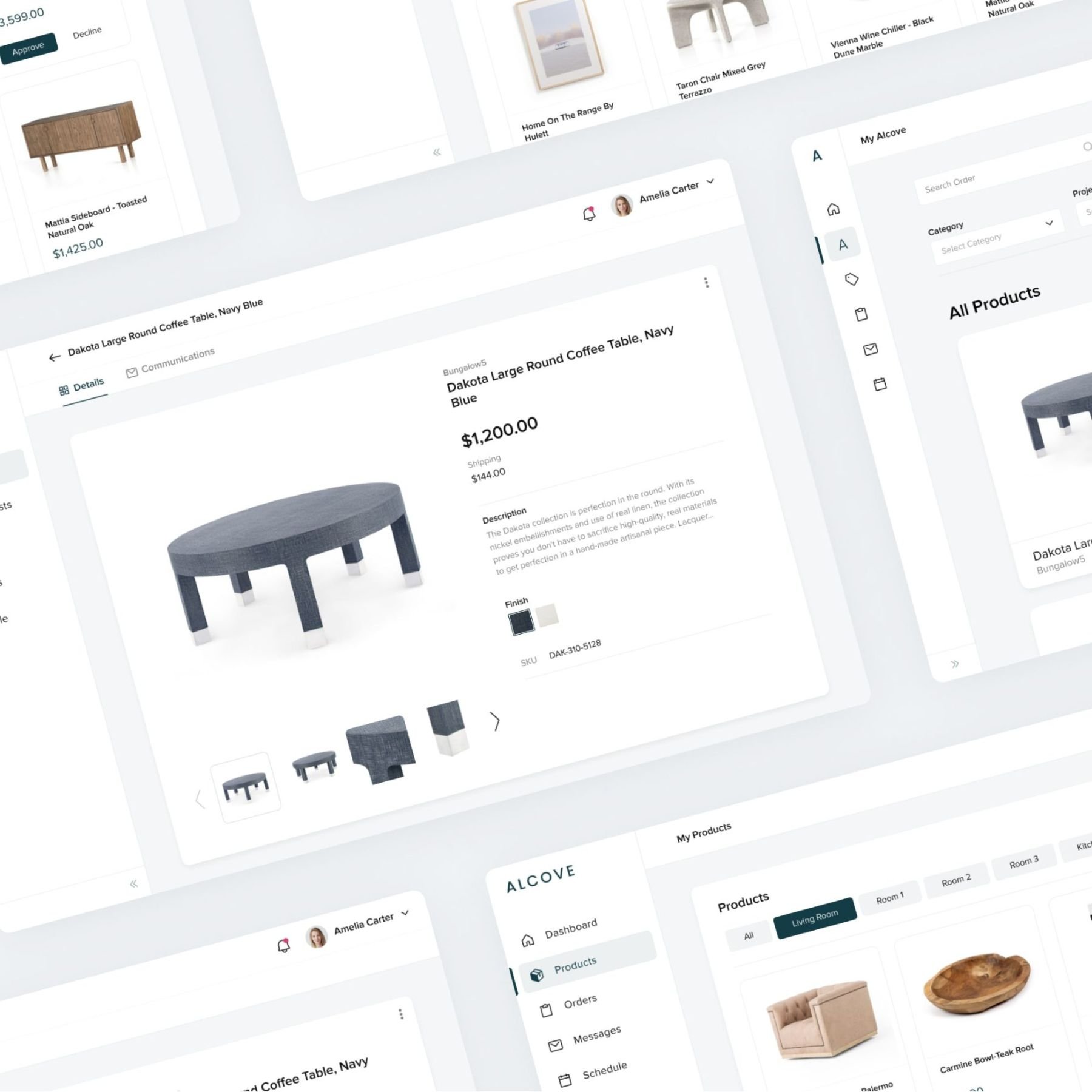
Did you know that interior designers may be grappling with a staggering 1,500 emails solely pertaining to procurement for a single project? This statistic, calculated by Greensighter, the UX Design agency behind Alcove, underscores the pressing need for a more efficient and user-friendly solution. Alcove was born from the desire to simplify and optimize the procurement process not only for interior designers but also for builders and purchasing agents. And let’s face it, we’re always keen to find out more about potential solutions to pain points in the workflow. So, here are the main points to know about Alcove:

  1. All-in-One Product Information Hub: Alcove centralizes crucial product information, bringing together details, orders, status updates, and communications in one accessible platform, streamlining your design process​​.

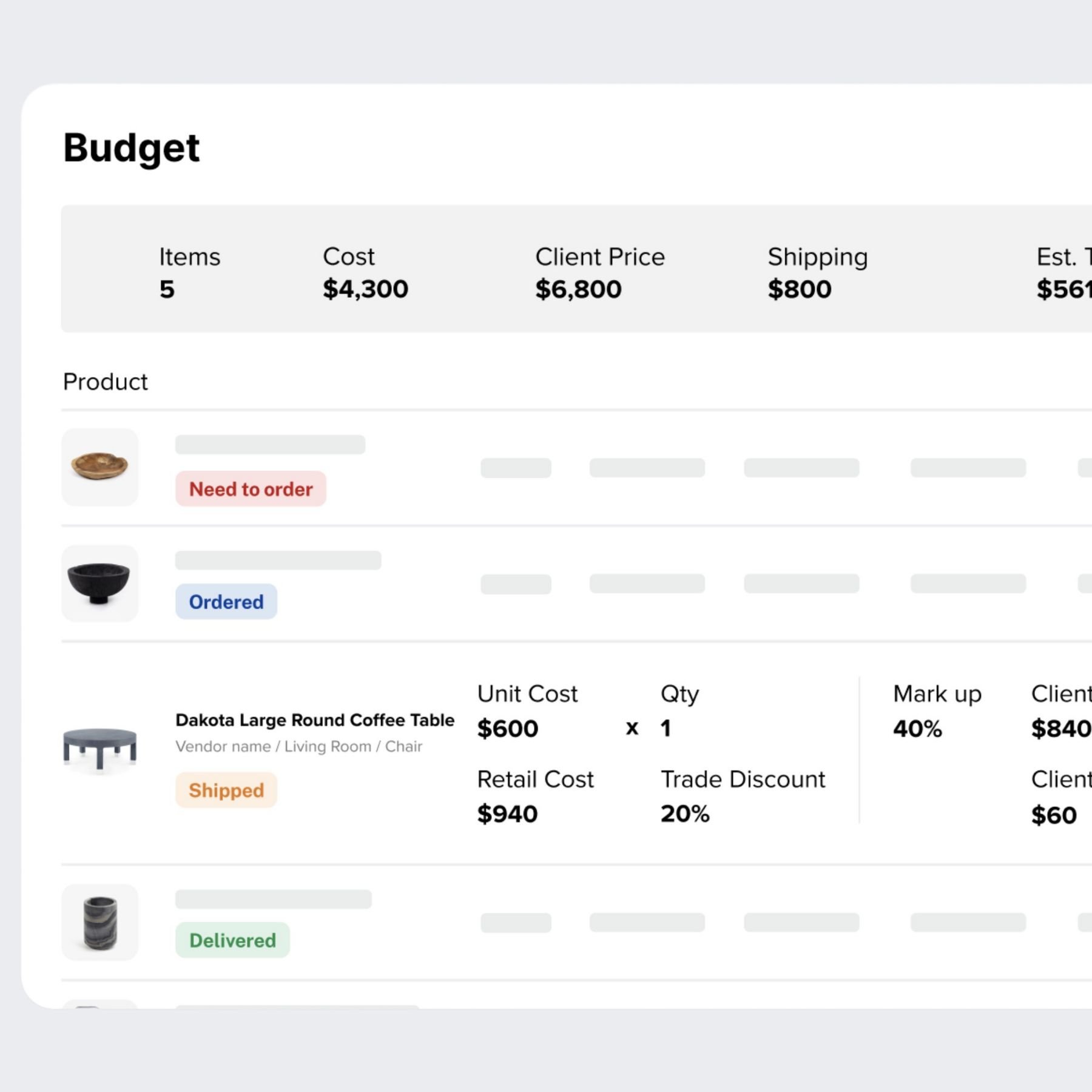
  2. Financial Management Made Simple: Navigating the financial aspects of design projects is simplified with Alcove. Easily set purchase costs, markup calculations, and resale pricing, alongside accurate tax and shipping estimates, ensuring your projects remain both beautiful and budget-friendly​​.

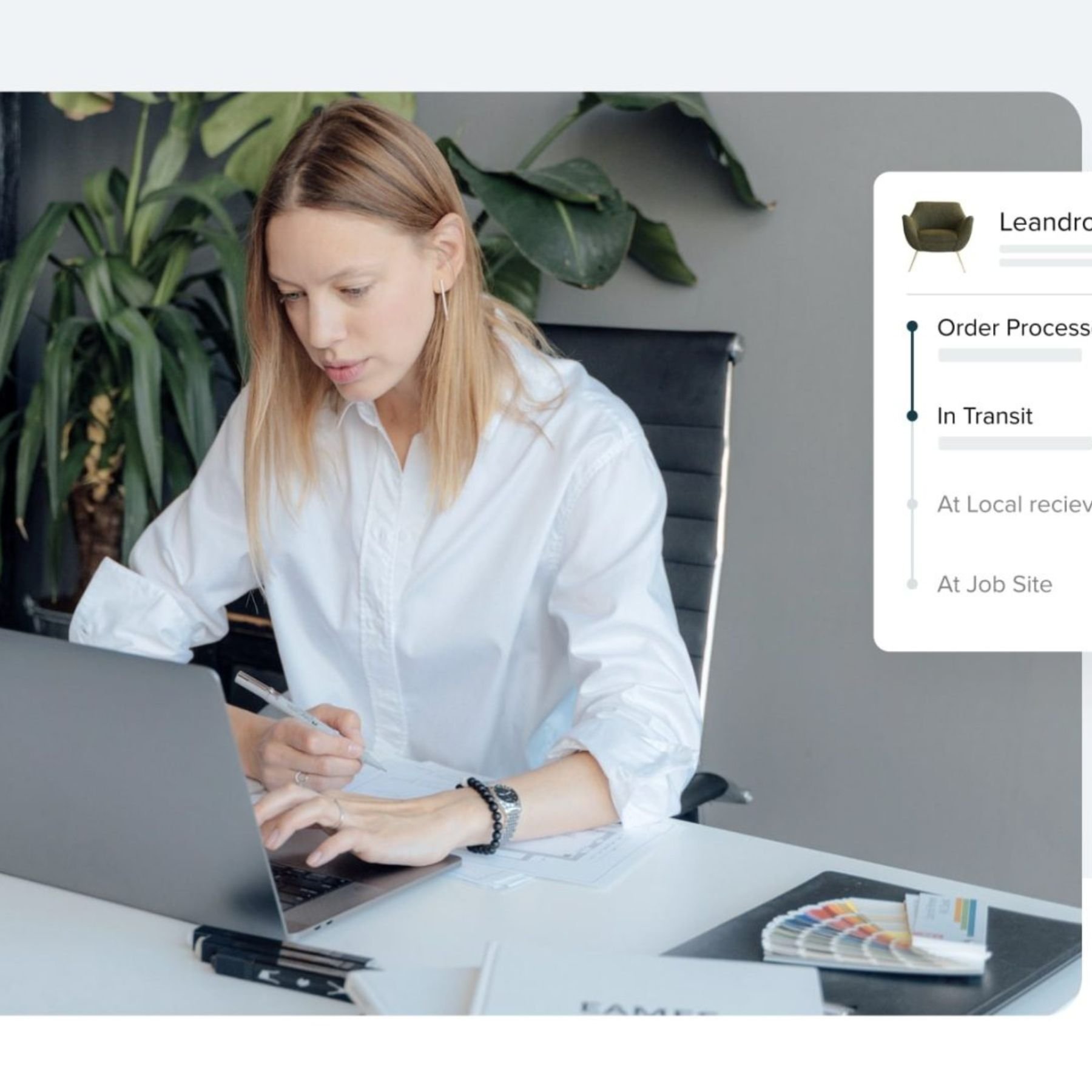
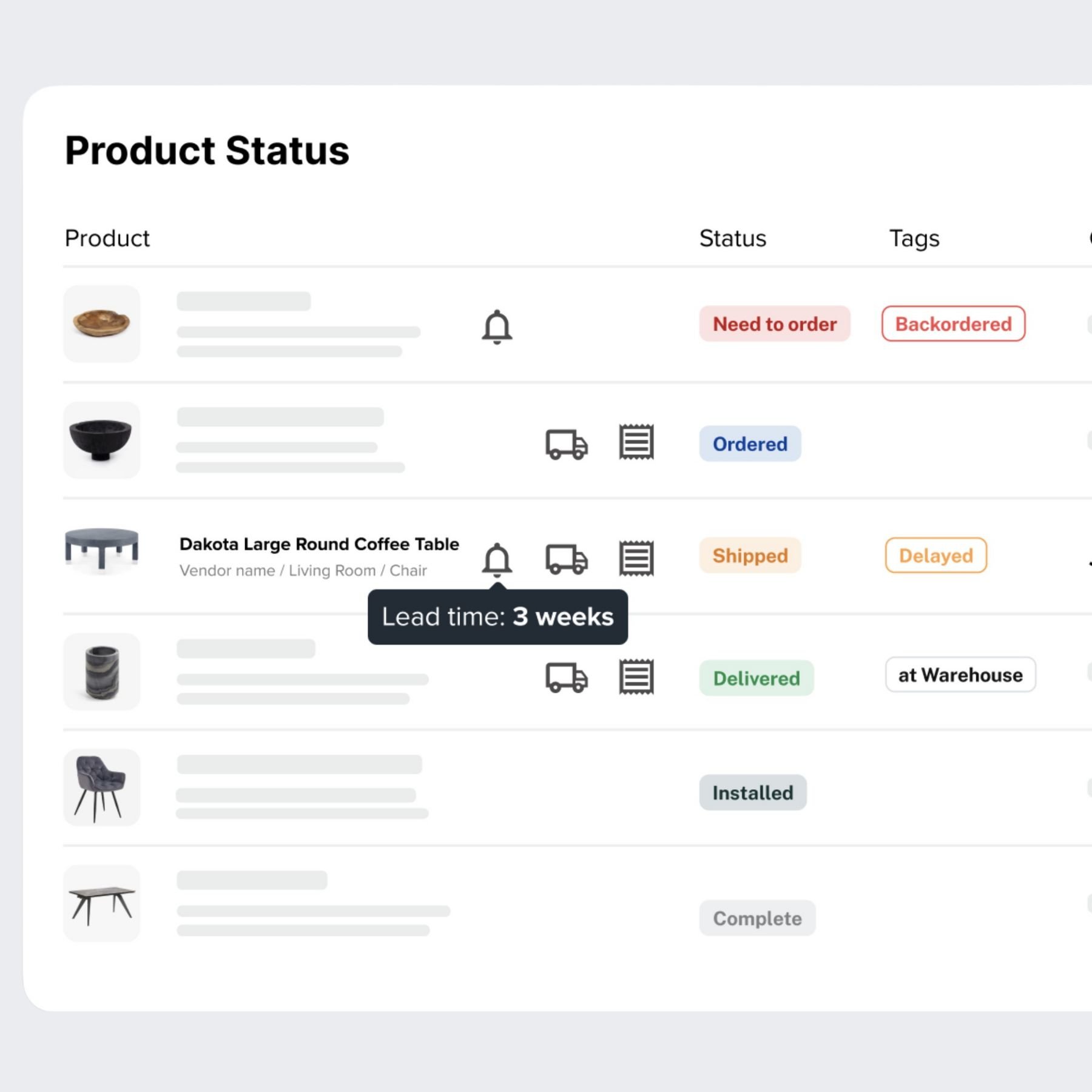
  3. Efficient Order Tracking: Integrated with top shipping companies, Alcove simplifies order management, offering clear insights into payments and balances, and ensuring timely product delivery for seamless client experiences​​.

  4. Streamlined Communication: Alcove's Gmail integration declutters your email communication, keeping all project-related discussions neatly organized and easily accessible​​.

  5. Web Clipper and Customizable PDFs: Import product details and create bespoke PDFs for sharing with clients and collaborators, enhancing the ease of information exchange​​.

  6. Pinterest Integration for Inspiration: Seamlessly sync your Pinterest inspirations directly into Alcove, integrating your creative ideas into the project workflow with ease​​.

As you can see, Alcove actually goes beyond just managing procurement; it's designed to help designers channel more of their creativity and less of their energy into the mundane admin tasks that often occupy far too much space.

While Alcove offers extensive benefits, adapting to its system may require some adjustment. It's a good idea to evaluate its compatibility with your existing practices and consider any necessary team training to harness its full potential.

Curious to try it out? Exploring Alcove's capabilities and seeing how it can transform your interior design business is easy and risk-free. You can schedule a personalized demo to check it out firsthand. Additionally, there's an option to try Alcove for free with a 14-day trial–no credit card details required–allowing you to experience its features without any commitment.

The pricing for Alcove starts at an accessible $39.00 per month, with the cost varying based on the plan's comprehensiveness and the number of user seats needed. This flexible pricing ensures that you can tailor the service to your specific business needs, ensuring value and efficiency.

xx, Danae

Designing to Meet Multi-Generational Needs

Designing to Meet Multi-Generational Needs

When picturing your interior design clientele, you may instinctively think of middle-aged individuals seeking your expertise. Nevertheless, as multigenerational households become more prevalent, successful interior design demands understanding and accommodating the diverse needs and comfort preferences of all residents in the home—and doing so with style. Let’s look at some keys to achieving just that!

Read More

6 Ways to Attract High-Quality Interior Design Leads

6 Ways to Attract High-Quality Interior Design Leads

Here’s a New Year’s resolution idea for you: Take on high-quality leads only!

You’d never take an admirer of your work for granted. But you’re ready to be more selective about the clients you will take on. Whether you're currently experiencing high demand and want to choose your projects wisely, or you're committed to maintaining alignment with your brand from the outset, investing effort in attracting high-quality leads proves to pay off!

Read More

How to Streamline Your Business & Boost Profits with Studio Designer


MARK YOUR CALENDARS! You'll want to save the date for an exciting webinar hosted by @_studiodesigner on January 10, 2024 at 1PM EST: How to Streamline Your Business & Boost Profits with Studio Designer!

This webinar will go over several topics, including:

  • Studio Designer: A General Overview

  • Benefits of Using an Integrated Project Management System

  • NEW Studio Designer Features

  • A High-Level Demo of Key Features

  • How to Utilize Elite Design Assistants to Work in Studio Designer

And, if you weren't excited before, Elite Design Assistants will be featured! So, remember to mark your calendars and join us for an incredible learning experience. Stay tuned for more details coming your way soon!

Blurred Lines: The Intersection of Interior Design and Fashion

Have you ever found yourself guiding an interior design client unsure of their style by suggesting a peek into their closet? If so, you're well acquainted with the undeniable intersection of fashion and interior design.

Consider design luminaries like Kelly Wearstler, renowned not only for groundbreaking interior design but also for a daring and eclectic fashion sense. The power duo of Nate Berkus and Jeremiah Brent effortlessly showcase their sleek eye for home decor alongside an equally refined taste in personal fashion.

At this juncture where fashion and interior design converge, it's not merely about blurred lines; the boundaries are practically non-existent. Both these expressive outlets are deeply rooted in an individual's journey, reflecting their life, culture, and unique preferences.

Now, let's explore the ways these two realms overlap:

Shared Principles

Patterns as a Universal Language: Whether adorning a garment or a throw pillow, patterns play a central role in both fashion and interior design.

Color Palettes as Expressive Tools: Both disciplines use color to convey mood, style, and personality, making color a universal language that bridges the gap between fashion and interiors.

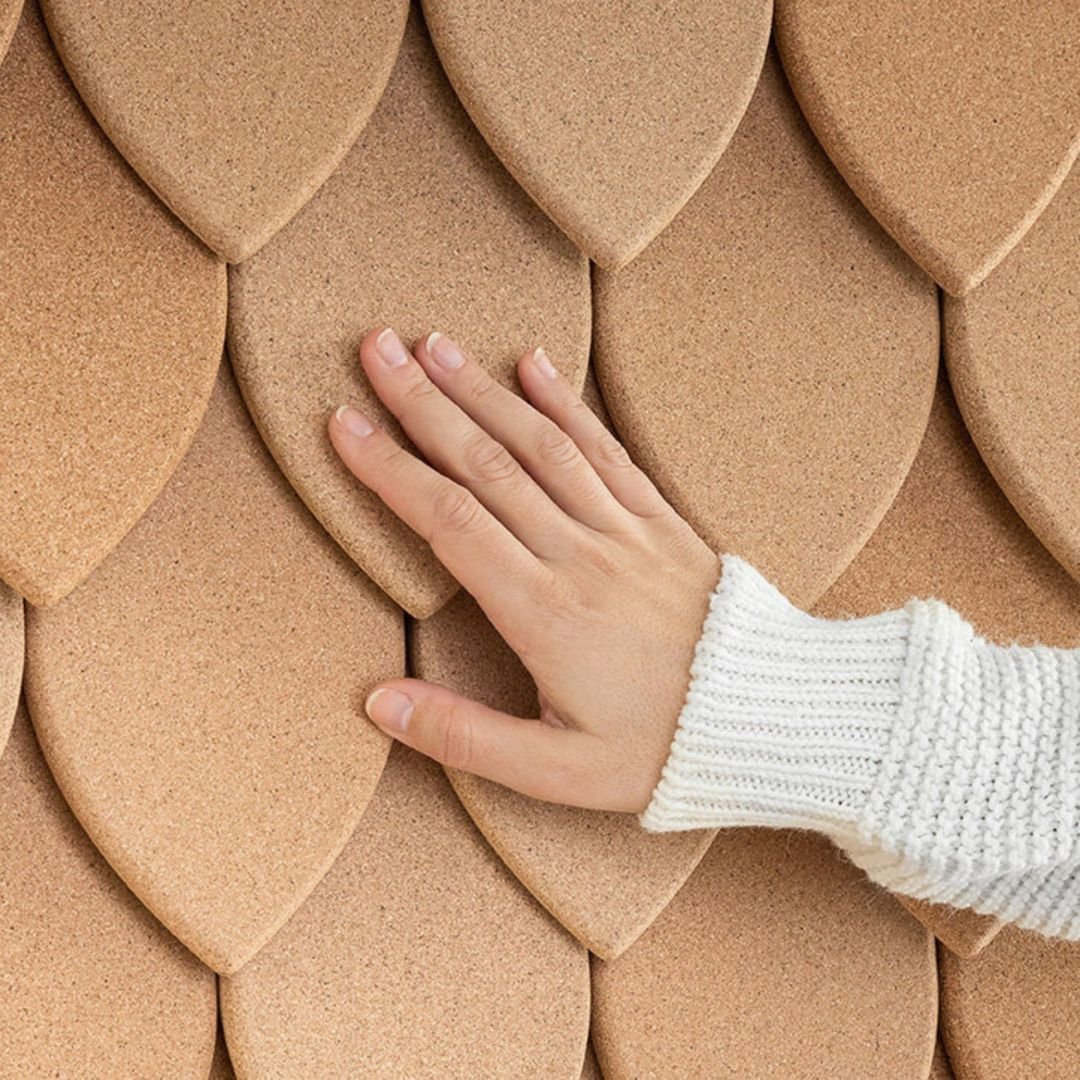
Texture and Fabric Selection: Luxurious fabrics in fashion find common ground with upholstery choices in interiors, as the tactile experience is a shared consideration.

Balance and Proportion: Achieving visual harmony through thoughtful placement and proportion is a fundamental principle shared by both fashion and interior design.

Common Influences

Evolving Trends: Trends in color, pattern, and style often emerge simultaneously in both fashion and interior design, creating a dynamic and interconnected creative landscape.

Cultural Influences: Drawing inspiration from cultural motifs, trends, and traditions, fashion and interior design contribute to a global design language that transcends borders.

Adaptation of Historical Styles: Incorporating historical design elements, whether in fashion or interiors, pays homage to timeless aesthetics, creating a bridge between the past and the present.

Influence of Art Movements: Art movements inspire both fashion and interior design, fostering a creative cross-pollination of ideas that brings a unique depth to both disciplines.

Design Houses Navigating Both Realms

It's not just interior designers embracing fashion or vice versa; renowned fashion houses are making their mark in the world of interiors. Iconic names like Gucci, Versace, Louis Vuitton, Fendi, Calvin Klein, Hermes, Hugo Boss, Missoni, and more seamlessly navigate both realms, showcasing a synergy between the world of fashion and the domain of interiors.

On the other hand, jewelry brand Bulgari extends its image through a collection of luxury hotels designed by legendary Italian architect and designer Antonio Citterio. Similarly, Armani boasts a design line and sleek hotels in major cities worldwide, while Ralph Lauren extends beyond fashion into a design line and luxury restaurants, such as The Polo Bar in New York City.

Whether we're styling ourselves or our living spaces, the language of design is the best guide, telling a story that's as diverse as we are.

xx, Danae

Unique Items Designers Should be Sourcing from Flea Markets

You've nailed down the practical aspects of your design project—the layout, the mood, and all the essentials. But what about adding that extra touch, a piece that stands out, that becomes the focal point of your client's space and remains etched in their memory? Sometimes, the answer doesn't lie in the aisles of big-box stores or the price tags of lavish vintage boutiques. No, you need to venture into a world of hidden treasures—the flea market. Not only do these pieces steal the show, but they also come with an eco-friendly and budget-conscious tag. But, what kind of items are best sourced from a flea market? Let's dive in!

Light Fixtures

Lighting can transform a room's ambiance and personality, and the flea market is a treasure trove of distinctive fixtures. Unearth retro lamps, chandeliers, or sconces that infuse character into your space. Just remember to have your electrician give them the once-over for safety's sake.

Mirrors

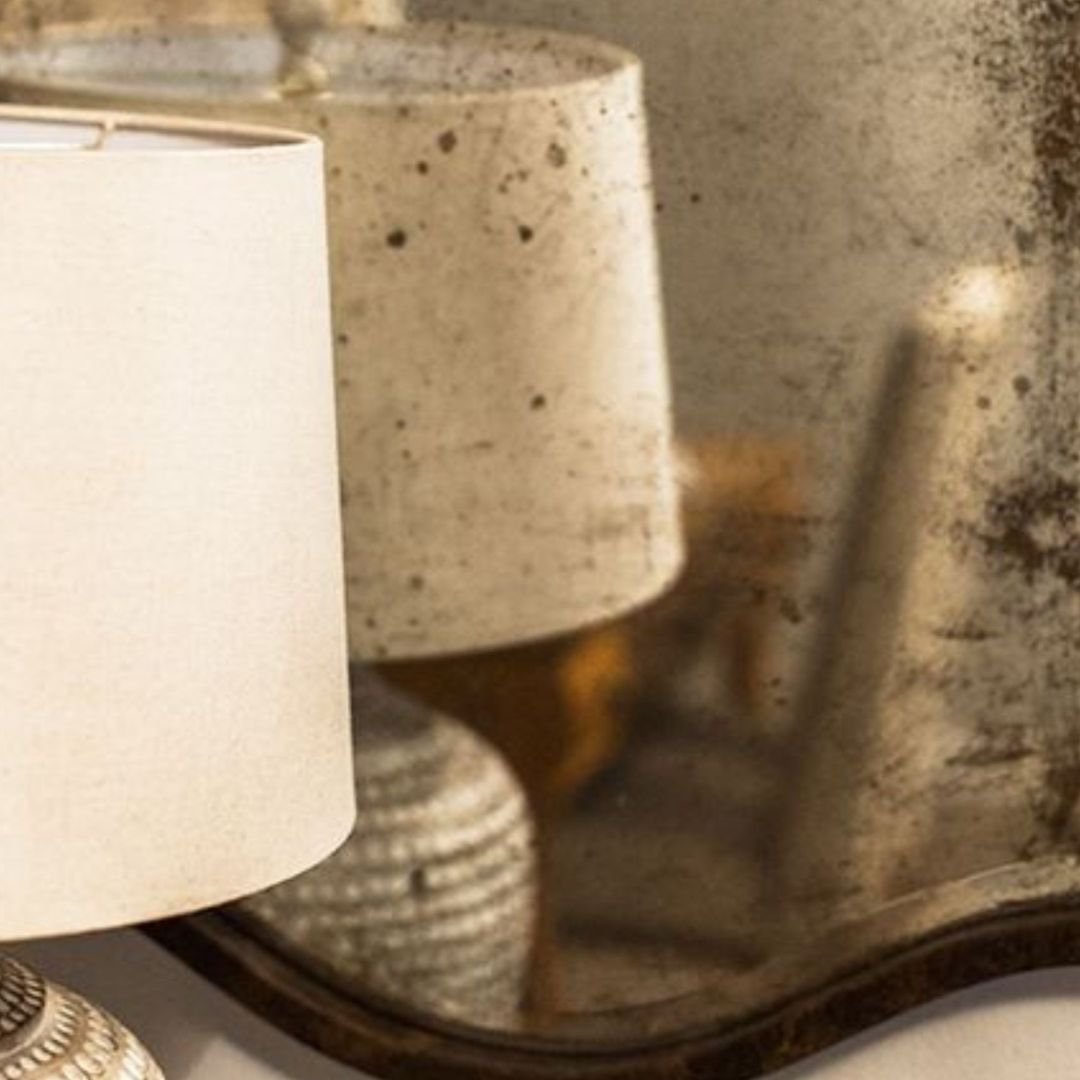
Mirrors are more than just reflective surfaces; they are statement pieces that play with light and space. While you're likely familiar with the concept, a vintage mirror can take your design to a whole new level. The little imperfections, wear, and signs of age can give it an added layer of charm and character.

Artwork

Flea markets boast an eclectic array of artwork from various eras and styles. You can juxtapose a vintage piece with a modern frame for a striking contrast, or keep the ornate frames for a touch of sophistication. If you have a keen eye, you might even score a valuable piece at a fraction of its worth.

Decorative Objects

Want to add a personal touch that sparks conversations? Flea markets offer quirky collectibles, from vintage cameras to antique globes. Your clients will appreciate the nostalgia these items bring to their space.

Tableware

Elevate your client's dining experience with vintage tableware. Delicate teacups and elegant silverware are waiting to be discovered, letting you create a dining setting that exudes extraordinary flair. Mix and match for a bohemian vibe or aim for a more cohesive, vintage look.

Hardware

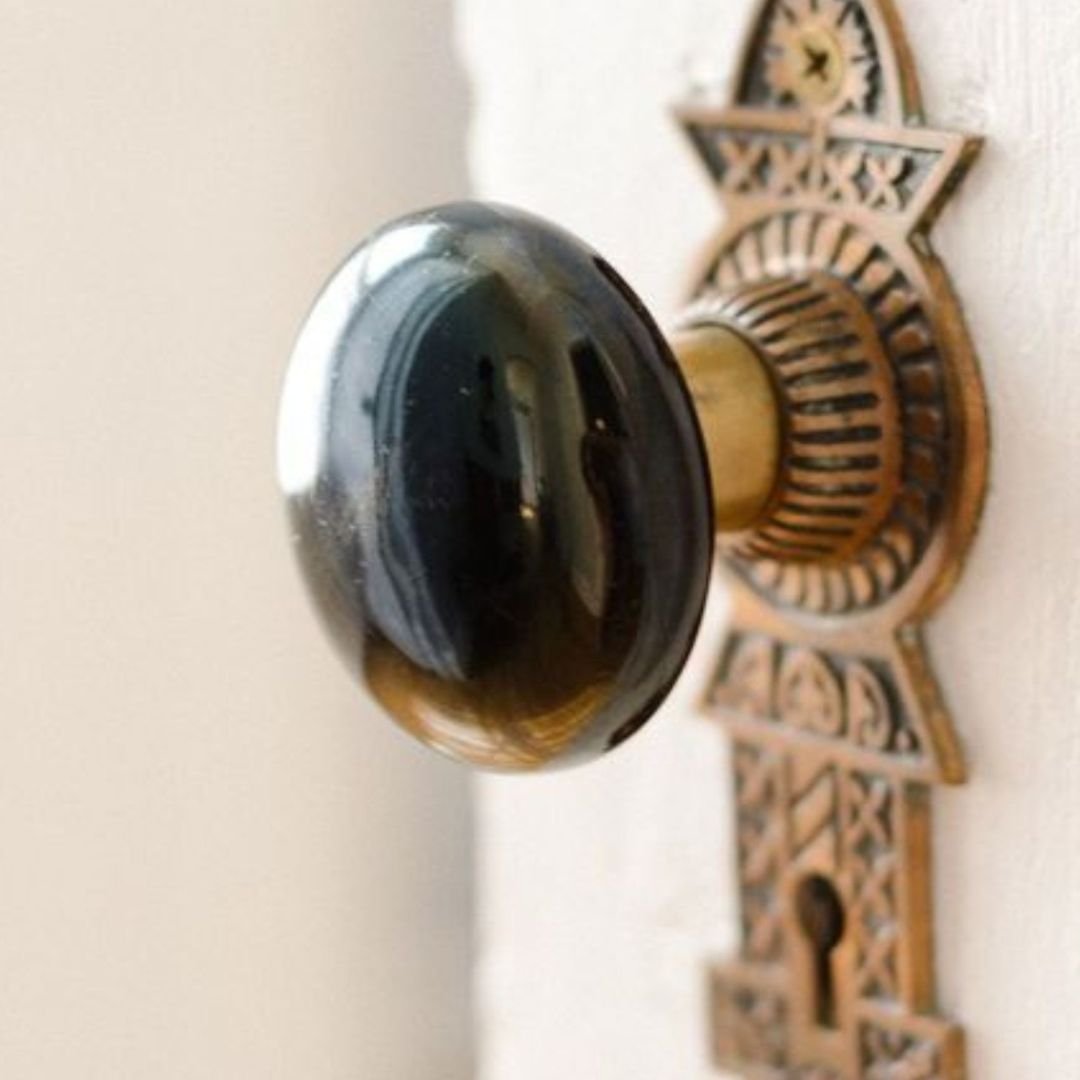
Cabinet and drawer pulls and knobs usually age gracefully, and their unique shapes and designs can revamp the appearance of an otherwise basic piece of furniture, allowing you to “upcycle” even the simplest items.

Salvaged Architectural Elements

Flea markets are where you'll stumble upon architectural salvage pieces like ornate doors, stained glass windows, vintage mantels, wooden beams, and wrought-iron railings. Incorporating these elements into your designs adds a layer of history and craftsmanship that's impossible to replicate with new materials.

Reclaimed Wood Furniture

There's an undeniable charm to furniture with a backstory. Reclaimed wood tables, chairs, and cabinets are eco-friendly and brimming with character. Look for pieces with good bones that might need some TLC—sanding and a fresh coat of paint or stain can transform them into custom pieces your clients will adore.

Now that you're itching to explore the world of flea markets, here are a few tips for successful shopping:

  1. Do Your Research: Know when and where the best flea markets in your area take place. Some markets specialize in specific items, allowing you to tailor your search for the perfect finds.

  2. Inspect Thoroughly: Examine potential purchases carefully for any damage or signs of wear. If you're considering a significant buy, consider bringing along a knowledgeable friend or even having a professional inspection.

  3. Negotiate Smartly: Don't be shy about bargaining; it's all part of the flea market experience. Be polite but firm in your negotiations. Sellers often expect a little back-and-forth, so you might just score a better deal.

Happy Hunting!

xx, Danae

Can You Relate to These Interior Designer Pain Points?

Through conversations with numerous interior designers, design assistants, and seasoned industry professionals, I've been able to distill the recurring challenges in our design journeys into a few main categories. While it may sometimes feel like an uphill climb, identifying these pain points is the first step towards overcoming them. So, I invite you to explore these common hurdles, see if they resonate with your experiences, and discover practical solutions to help you conquer them like a pro!

1. Scope Creep: The Ever-Expanding Challenge

Challenge: Scope creep is the silent assassin that starts innocently, with a client requesting a minor addition or alteration. But, left unchecked, it can balloon into a full-blown project overhaul, wreaking havoc on your timelines and budget.

Solution: Establish crystal-clear project scopes from the get-go. Communicate boundaries and expectations with your clients through detailed contracts. Regularly update project plans to keep everyone on the same page. Let them know you’re happy to accommodate extra requests at your hourly rate. And don't forget, it's also okay to say no to those "tiny" additions that threaten to derail your project – and budget. Read our post on setting boundaries with clients.

2. Digital Marketing: Navigating the Digital Landscape

Challenge: In today's digital age, standing out in the saturated marketplace can be as tricky as choosing the perfect shade of paint.

Solution: Embrace the digital era by creating a strong online presence, even if that means delegating these tasks. Invest in a user-friendly website that showcases your portfolio and client testimonials. Utilize social media platforms to engage with your audience and share your design journey. Consider paid advertising campaigns to reach a broader audience. Don't underestimate the power of online networking; join design forums and collaborate with influencers.

We are working on a lot more marketing and branding options for our clients in order to help them establish strong brands that demand to be seen! Feel free to contact us for more information.

3. Delegating Effectively: Learning How to Hand Over

Challenge: As designers, we often want to oversee every aspect of a project, but juggling creativity and management can lead to burnout.

Solution: Recognize that delegation is your ally, not your enemy. Though onboarding assistants requires some initial effort, it pays off quickly. Build a reliable team of skilled professionals who can handle tasks like project management, procurement, drafting, sourcing, renders and client communication. Clearly define roles and responsibilities, ensuring everyone knows their part in the process. This frees you up to focus on what you do best—designing.

Become the CEO of your interior design firm and let us help you do the rest!

4. Pricing Predicaments: Finding the Sweet Spot

Challenge: Pricing can be a thorny issue, with clients expecting luxury at bargain prices.

Solution: Develop a comprehensive pricing strategy that considers project complexity, materials, and your expertise. Be transparent with clients about costs, explaining the value of your services. You may consider offering different pricing options, such as flat fees or hourly rates, depending on the project. Don't forget to revisit your pricing periodically to ensure it aligns with market trends and your evolving skills. And never forget that if you don’t value your own work, neither will potential clients.

5. The Perils of Procurement: Delivery Dilemmas

Challenge: Procurement can be a logistical headache, from managing suppliers to ensuring timely deliveries of the perfect furnishings.

Solution: Streamline your procurement process with meticulous planning using a project management program that suits your business. Create a supplier network you trust, negotiating pricing and delivery terms in advance. Maintain organized records of all orders and communications to prevent mishaps. Consider hiring a procurement specialist to handle this aspect, allowing you to focus on design.

6. Dealing with Difficult Clients: Navigating Tricky Waters

Challenge: Difficult clients can turn a dream project into a nightmare, testing your patience and professionalism.

Solution: The key here is empathy and communication. Listen actively to your clients, understanding their concerns and preferences. Set clear expectations from the beginning and outline boundaries. If tensions arise, address them diplomatically and professionally, always striving for a mutually satisfying resolution. Remember, sometimes it's best to part ways amicably if a client is consistently uncooperative. Read our article on how to deal with different kinds of difficult clients.

Keep designing, stay inspired, and remember that every challenge you conquer makes you a better designer! If you are ready to scale your business, become the CEO of your business or you just plain need help – feel free to reach us here.

xx, Danae

The Correlation Between Well-Being + Design: 9 Ways to Make a Difference

We're obviously all about killer aesthetics, but today, we're taking a deeper dive into how your interior designs can do more than just create a visually stunning space. We're talking about the magic that happens when your designs positively affect the health, happiness, and overall well-being of those who inhabit them. It's incredible how much of a difference you can make in their lives. So, let's explore some ways you can make that happen!

1. Light and Color

You're probably no stranger to the idea that colors can set the mood – warm hues like reds and yellows bring vibrancy and energy, while serene blues and greens offer calm and relaxation. But it doesn’t stop there! Natural light during the day helps us sleep better at night and keeps our spirits high during waking hours. So, when we design with light and color in mind, we are creating environments that influence how we feel and sleep.

2. Acoustics

Acoustics in design are the secret sauce for privacy and peace. A well-designed acoustic environment not only shields you from outside noise (and keeps noise in) – it allows for the beautiful symphony of life to coexist within your space. Kids playing in the living room can cohabitate with a parent working from home. So, acoustics aren't just about keeping it quiet; they're about creating a versatile and harmonious living experience.

3. Technology

We all love our tech gadgets, right? They bring us convenience, entertainment, and even safety. But sometimes, we need a break from the digital world. Imagine a hidden TV or a cozy tech-free corner where you can unwind without the constant buzz of screens. It's the yin and yang of our tech-driven lives. Striking this balance ensures that the space doesn't just serve digital needs but also the need for some good old-fashioned human connection and relaxation.


4. Harmony and Flow

A well-organized space prevents clutter and visual chaos to give your mind some breathing room. And thoughtful layouts and furniture placement go beyond functionality; they promote mental clarity and an overall feeling of serenity. In essence, it’s as they say: a tidy space equals a tidy mind.

5. Ergonomics

Furniture is more than a pretty prop; it can be your body's ally. Well-designed furniture knows how to keep your posture in check and your joints happy. With lumbar support in chairs, desks that adjust to your liking, and mattresses that cradle you just right, it's all about keeping you physically content.

6. Biophilic Design

Living with biophilic design is a way of tapping into your primal connection to the natural world with science-backed health perks. Imagine bringing the outdoors in – with plants, natural materials, and calming green views. It's like a mini-vacation for your senses. Studies show that this connection to nature reduces stress, boosts cognitive function, and makes you feel all-around awesome.


7. Accessibility and Inclusivity

One person’s happy place might look a little different from the next. Think of an environment that welcomes all abilities and needs, where everyone feels like they belong. It's about creating spaces that everyone can readily access – whether that means installing ramps, wider doorways, or sensory-friendly design – and enjoy.

8. Sustainability

Sustainability might sometimes feel like a concept that is separate to us, but it's actually a reflection of our well-being and our home planet's health. Sustainable materials improve the air quality in our homes, reduce our carbon footprint, and nudge us towards a more eco-conscious lifestyle. It's about being responsible stewards of our environment, ensuring well-being for generations to come.

9. Personalization

When you dive into personalization, remember that beyond aesthetics, it's about designing a space that celebrates the inhabitant’s uniqueness, sparks their joy, and serves as the stage for the kind of lifestyle they want for themselves. And a place like that certainly contributes to happiness and well-being.


Balancing all these elements and seamlessly integrating them into your designs can be a lot – never mind juggling invoices and lead times. But through your dedication to placing these elements at the forefront of your creative process, you enrich the lives of those who inhabit your designs. And that’s something you can be very proud of as a designer!

xx, Danae