Interior Design Business Check-up: 7 Ways to Boost Your Success

As an interior designer, it can be easy to get caught up in the day-to-day tasks and lose sight of the big picture. Conducting a business checkup from time to time can help you identify areas that need improvement, stay efficient and relevant, and make an enormous difference in your short-term and long-term growth. It’s a good idea to analyze various aspects of your business monthly or quarterly, and then do a more comprehensive checkup on a yearly basis. You should also revisit these points whenever your business is going through a significant change, such as a new product or service launch.

Here are seven areas to focus on during your checkup:

Technology

Take a look at all of the technology you are currently using in your business. Are there any tools or software that you could update or replace with more efficient options? For example, switching to a cloud-based project management system meant for interior designers could save time by reducing redundant work, as well as improve collaboration with team members. Apps like Canvas can save you time on site surveying.

Stay Current

One of the things interior designers often enjoy the most, yet sometimes don’t seem to have (or make) much time for, is to check out other designers’ work and new vendors or items. Keeping an eye on the latest design trends, materials, and technologies can help you offer fresh, innovative solutions to your clients. Additionally, staying current with industry trends can also help you anticipate changes in the market and adapt to new demands from clients.

Streamline

One important aspect of streamlining internal business processes is to review and organize your design resources. This includes your 2D and 3D block and model libraries, templates, and other design assets. Having a well-organized system with a standardized file naming convention can save time and improve efficiency in the design process. You can also look into automating certain repetitive tasks such as sending invoices.

Accountability

Review the roles and responsibilities of anyone else on your team. Are they clear and well-defined? Are there areas where team members are struggling or not meeting expectations? Identifying and addressing these issues can lead to a more productive and successful team. Encouraging open communication with regular team meetings and a culture of feedback is also vital.

Expense Reduction

Review your business expenses to see if there are any non-essential costs that can be cut. For example, are there memberships or subscriptions that you no longer need? Is there room for negotiating better rates with any of your vendors? Can video calls replace some of your face-to-face meetings, thus reducing travel time and costs?

New Income Streams

Consider adding a new service to your business to increase revenue. For example, many interior designers are now offering e-design services, which allow clients to work with a designer remotely. Otherwise, consider offering a specialized service such as space planning, color consulting, or even outdoor design. Look into what other new revenue streams fit with your passions and your company. You may even set up a lucrative passive income stream, which doesn’t add to your ongoing workload.

More Projects

One way to boost success is to increase the number of profitable projects you take on at once. If you feel you’ve already reached your capacity, this can be done by outsourcing certain tasks that are lower-paying, time-consuming, or not your area of expertise. You can hire a virtual design assistant, whether periodically or on a regular basis, to take some of those responsibilities off your plate. And finding ways to market your services more effectively, such as through social media or networking events, will help you win over more clients.

By gathering these insights, you can identify key areas of strength and areas that need improvement. Stay open to feedback from your team and your clients to help inform your decisions. Remember, even small changes can make a big difference in the long run.

xx, Danae

Shop The Look: Books for Interior Designers

Want some more reading for the winter ahead? Check out the great titles we've collected for our Shop the Look: Book Edition!

SHOP
SHOP
SHOP
 
SHOP
SHOP
SHOP
 
SHOP
SHOP
SHOP

9 Pro Tips for Effective Emails With Your Clients

Interior design is all about creating beautiful, functional spaces that reflect the personalities and lifestyles of the people who use them. As an interior designer, you are the creative force behind these spaces, and you need to be able to communicate effectively with your clients in order to bring their vision to life. One of the most important tools for communication in the design industry is email, and there are a few key tips that can help you write effective emails with your clients.

1. Get it in writing. Email is the best method of communication for discussing the terms of revisions, refunds or anything else you want to have a clear record of, both for easy future reference and to protect your company if ever necessary.

2. Be clear and concise. When you're communicating with your clients, you want to make sure that your message is clear and easy to understand. Avoid using jargon or technical terms that your clients may not be familiar with, and keep your emails as short and to-the-point as possible. Also consider using bullet points or numbers if there are several points that need attention.

3. Use a professional tone. As your clients are paying you for your expertise, make sure that your emails reflect this by using a formal, professional tone, while still friendly. Avoid slang or too-casual language, and be sure to proofread your emails before you send them.

4. Provide visual references. Visuals can be a great way to communicate with your clients. Whenever possible, include images or drawings in your emails so that your clients can get a better sense of what you're proposing. This will also make it easier for them to give you feedback.

5. Be responsive. When your clients email you, they want a timely response. Make sure to reply to your clients' emails as soon as possible, and let them know if you're going to be out of the office or unavailable for an extended period of time. This also sets the tone for clients to be more prompt about responding to you.

6. Be organized. Keep track of all the different emails you're sending and receiving, and make sure that you're addressing all of your clients' concerns. Use clear subject lines and add to the appropriate email threads as a means of sorting topics. You can also use email tags to help filter your conversations.

7. Follow up. If you've sent an email and haven't received a response, don't be afraid to follow up. A polite reminder can help ensure that your clients are keeping up with their end of the conversation.

8. Use a signature. A professional signature with your name, title, and contact information will give your emails a polished look and make it easy for your clients to get in touch with you.

9. Be flexible. Remember that every client is different, and you'll need to adjust your communication style to suit their needs. Be open to feedback and be willing to make changes to your emails if your clients suggest them.

Effective communication is crucial to the success of any interior design project, so it’s worth spending time crafting well-written emails. By following these tips, you'll ensure that your email conversations flow as smoothly as possible and ultimately facilitate better client relationships and more successful projects.

For even more help with client emails, check out this Mastering Client Emails Business Toolkit + Mini Guide!

Discover why email communication remains the preferred method in the industry and understand the importance of crafting each message precisely to foster strong client relationships.

We cover everything you need to know about emailing, including:

  • Tailoring Communication to Client Types

  • Anatomy of an Effective Email

  • Email Tone and Style

  • Common Mistakes to Avoid

  • Establishing and Nurturing Client Relationships

  • Simple Proofreading Practices

  • Mastering Inbox Management

  • Utilizing Effective Email Templates

  • Action Checklist

Streamline your client communication, improve your organization, and establish better email systems with this must-have toolkit. Whether you're a seasoned designer or just starting out, Mastering Client Emails provides the solutions you've been looking for to enhance your professional interactions and boost your productivity.

PURCHASE NOW

Happy Emailing!

xxx, Danae

Bright Accent Pieces to Wash Away the Winter Blues!

It's time to brighten up your home and wash away your winter blues! We have compiled the best and brightest home decor accent pieces to change dreary to dreamy.

SHOP NOW

Using Scent & Fragrances in Interior Design

The use of fragrances in interior design is an underrated tool with the ability to influence our emotions, memories and overall mood in a way that visual elements cannot. They also impact how our brains interpret the elements we can see. By carefully selecting fragrances and incorporating them into a space, we can create a specific ambiance and enhance the overall experience of a room. And as interior designers, much of the information you will have already gathered about the personality of the clients and the mood of the space will guide you.

There are numerous forms of fragrances that can be used in interior design. Some of the most popular are candles, diffusers and room sprays, but there are also HVAC scenting systems that diffuse fragrance throughout a home or business. Scents can tell a unique story, and companies like Aroma360 create custom fragrances for both residential and corporate use.

An important rule to keep in mind is to keep fragrances subtle so that they are not overwhelming. This is especially important in places like an office, where not everyone has the same preferences, and harsh synthetic fragrances can even trigger allergies.

Another point to consider is longevity: how long the fragrance will last. Some fragrances are longer lasting than others, so you may choose a lighter base fragrance for a reed diffuser and reserve stronger fragrances for more controlled release formats, such as candles, which will be used occasionally.

When choosing scents for specific rooms or spaces, it’s essential to think about the desired ambiance and the activities that will take place there. Here are some examples:

Bedroom: calming scents such as lavender, chamomile, or jasmine can help to promote relaxation and restful sleep. Another option is a peaceful ylang ylang scent.

Living room: a warm, inviting scent such as vanilla or a cozy, woodsy scent like pine can create a welcoming atmosphere.

Kitchen: invigorating scents such as citrus, ginger or mint can energize the space and stimulate the senses.

Bathroom: refreshing scents such as sandalwood or peppermint can help to create a spa-like atmosphere. You could even add a eucalyptus branch in the shower area as a natural and decorative element.

Office: scents that promote focus and concentration, such as peppermint or rosemary, can be helpful for boosting productivity. Other options include an uplifting lemongrass or a refreshing tea tree scent.

Outdoor space: fresh, natural scents such as pine or cedar can help to create a cohesive and inviting atmosphere.

If you are thinking of incorporating scents into an interior design project, sit down with your client to find out what they like. This is a very personal preference, as much as the style of their home, so it's important to involve them in the selection or creation process. Use your own sensibilities to help narrow the options down to one or a limited collection of fragrances that will complement each other in the home.

Scent can make a real difference in how your clients feel when they step into their new space for the first time, as well as how they feel when they walk in the door at the end of each day after that.

xx, Danae

It's Reading Time: 10 Books Interior Designers Will Love!

Sometimes you just need a break from staring at the screen and to put your feet up with a good book. We’ve rounded up a selection of some favorite coffee table books, which can serve as inspiration, decoration, and conversation starters, plus a few dreamy novels if you want to get away for a little while.

100 Interiors Around the World

How could we not start with an interior design book? This compact coffee table book is a carousel of stunning snapshots from different countries and stylistic influences, from minimalist to eclectic and Brazil to Indonesia. It's a great way to get out of your bubble and admire the work of other designers.

Wild Interiors by Hilton Carter

Hilton Carter is an author and plant enthusiast who shares his personal plant journey and his top ten favorite house plants, and also profiles the beautiful homes and plant collections of 12 other plant enthusiasts around the world. He provides tips on how to decorate with plants in different types of spaces and offers advice on plant care.

Wonderland by Annie Leibovitz

An absolute legend in the photography industry, Annie Leibovitz shares striking moments in fashion spanning five decades in her coffee table book, Wonderland. It includes her most famous photographs featuring celebrities and style, as well as otherwise unpublished gems that can only be found within its pages.

Eat Drink Nap

Soho House is a chain of exclusive hotels, restaurants and clubs that has developed a reputation for its approach to hosting events and making guests feel at home. The company has compiled this book featuring insights and advice from its experts on how to recreate the Soho House experience in one's own home, including tips on design, lighting, cooking, and cocktail mixing.


Breakfast: The Cookbook by Emily Elyse Miller

This book is one of Phaidon’s many gorgeous cookbooks and is a compilation of hundreds of easy-to-follow recipes for breakfast dishes from around the world, including notes on the cultural background and culinary characteristics of each dish. Breakfast includes recipes for a variety of sweet and savory dishes, including Egyptian Ful Medames, Mexican Chilaquiles, Chinese Pineapple Buns, American Scones, and Scottish Morning Rolls, among others.

Gold: The Impossible Collection (Special Edition) by Bérénice Geoffroy-Schneiter

If you’re looking to splurge, this premium Assouline book (which comes with complimentary white gloves) presents 100 examples of gold's use in art and artifacts, ranging from ancient civilizations to modern creations, and is packaged in a luxurious gold-covered case.

Remote Experiences by David De Vleeschauwer

A new gem courtesy of Taschen, Remote Experiences is a book that takes readers on a journey to 12 of the world's most isolated destinations, from a hidden kingdom in the Himalayas to the plains of Botswana. Photographer David De Vleeschauwer and writer Debbie Pappyn offer a tour of the people and places that remain untouched by modernity, from the North Pole to Antarctica.

Before the Coffee Gets Cold by Toshikazu Kawaguchi

A cozy yet thought-provoking novel about a Tokyo back-alley cafe that has something very unexpected on the menu: time travel. Customers come hoping to get the most out of their visit - confronting and meeting people they didn’t have the chance to - but the experience doesn't come without certain rules and risks. And they must get back to the present before their coffee gets cold.


Transit by Rachel Cusk

In Transit, the second book in Rachel Cusk's Outline trilogy, Faye, a writer, embarks on a challenging flat renovation after divorcing her husband. As she works on the project, Faye observes her neighbor's seemingly perfect family and deals with difficult neighbors. The renovation becomes a symbol for Faye's own struggles to rebuild her life.

Summer Crossing by Truman Capote

This younger, less polished novel by the author of Breakfast at Tiffany’s features Grady, a 17-year-old who belongs to 1945 New York's high society. She manages to escape from family plans and stay alone in her family's Central Park apartment. This apartment is an accomplice to the chaos of teenage passion over the summer while Grady's parents are distracted.


Happy Reading!

xx, Danae


SideDoor: Transform Your Design Business

A Sourcing Tool That Makes Life Easier!

Monetizing an interior design business with products is a conversation that is ever evolving in the design industry. Between vendor accounts, affiliate links, buyer clubs and sales tools, at times it can be hard to decide what’s best for you and your business. Using a variety of these options can be very beneficial to your business and today, I’m going to share more information about one sales tool I came across that has become a real game-changer for many independent interior designers.

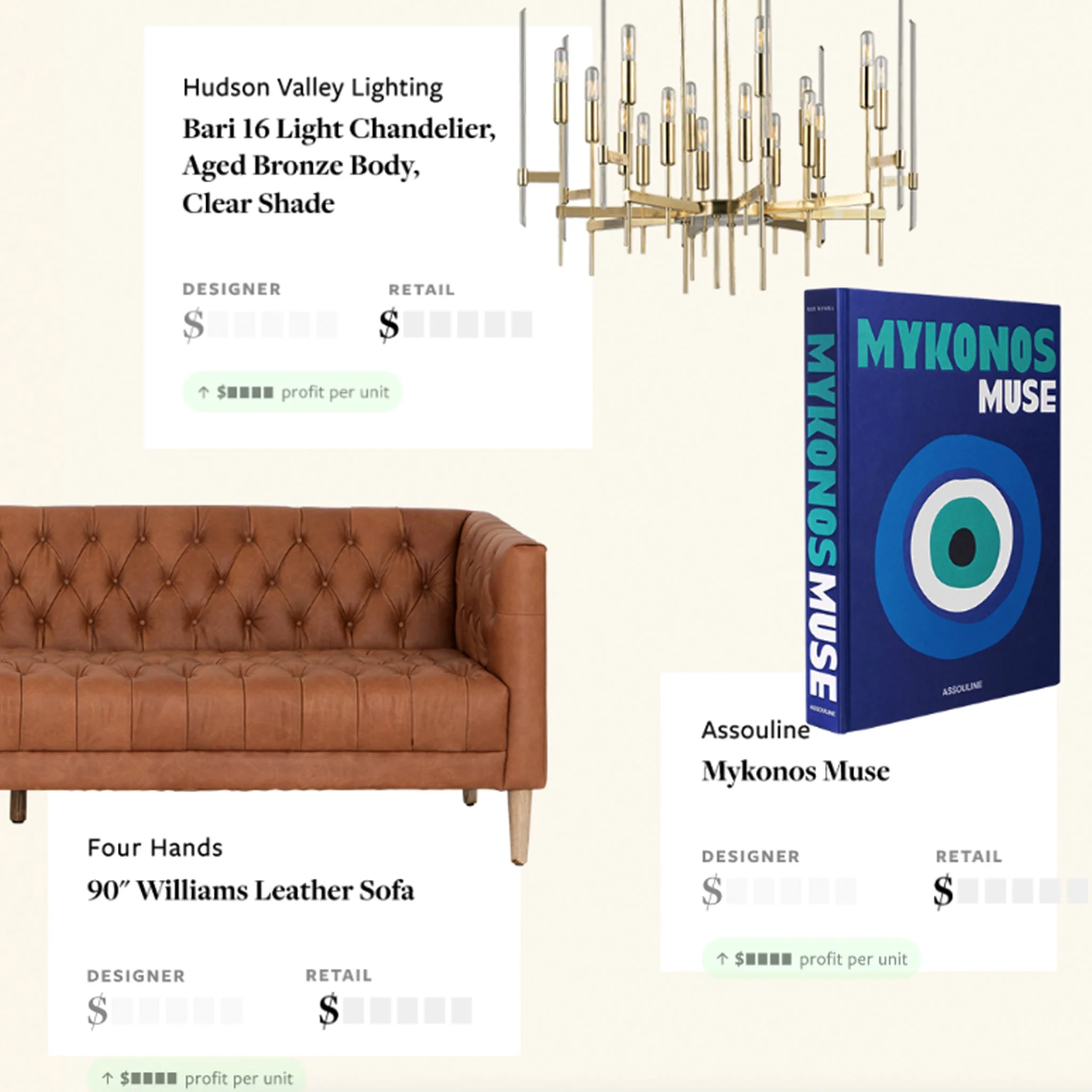
SideDoor is a sales tool and platform where interior designers can curate shoppable collections of products from their favorite vendors to share with their clients and/or social media followers. This tool gives you the option to create collections and invoices specifically for your clients AND it allows you to create collections in your style and brand to share on your website and social media platforms.

With over 150 popular vendors and average commissions of 30% this sales tool allows you to monetize your business in a much simpler way. There are over 4,000 creative professionals that use the tool everyday to simplify and monetize their business in all states.

So how does this work? Follow the steps below.

1. Request Access – you can go to www.onsidedoor.com and request to be a part of the program. SideDoor will review your request to see if you’ll be a good fit. Once you are accepted, you will get in on the early access program, which is currently FREE.

2. Curate Collections – After you are accepted, you can start creating collections using products from a vast array of vendors at vendor direct designer net pricing. You can share these collections in client proposals or directly online with your followers.

3. Share – Once your collections are curated you’ll be able to embed shoppable links on your website, blog and other social media platforms.

4. Earn Commission – When your clients or followers purchase products from you, you earn the spread between designer net and retail. SideDoor takes care of the rest.

5. Sit Back – Once your client makes a purchase, SideDoor will fulfill the order, get it to your client and deposit your earned commission.

If you are interested in learning more, you can visit the SideDoor website at www.onsidedoor.com to check out their current vendors, frequently asked questions and apply for access. You can also book a consultation with them to get more information.

SideDoor is a simple and easy to use tool but we know you are busy and actively growing your business. Whether you are currently using SideDoor or you decide to sign up now, we are here to help. There are several VDAs on my team who are able to help you manage your SideDoor account to make sure you are using the tool to its full potential.

As always, feel free to reply to this email with questions.

Have a wonderful day!

XX, Danae

Shop The Look: Winter Gear for Interior Designers

Dress for success - and to stay warm! Here is our curated collection of the perfect winter gear for interior designers.

SHOP
 
SHOP
SHOP
SHOP
 
SHOP
SHOP
 
SHOP

Are You Thinking About Trying a New Interior Design Niche? Unique & Interesting Design Niches

Interior designers come in all shapes and sizes and I’m sure many you know, like yourself, may specialize in kitchen and bath or whole home. But what other niches are out there? The most recent niche to emerge is what I call the quarantine niche. Designers are designing homes with more recreational and entertaining space, more separation and sanitation and more comfort for those quarantined at home either alone or with other family members.

I thought it would be fun just to research other design niches that we often don’t think about on a day-to-day basis and this is what I found.

Aviation Design – There are interior designers who specialize in private jet design. This type of design is very challenging an extreme as you must be great with working with small spaces and working with all the codes that aircraft interior design entails.

Yacht Design – Although you could be working with more space than a private jet, this type of design is still challenging and requires knowledge of naval architecture and marine engineering.

AirStream Design – The other day I came across an interior designer on Instagram who specialized in AirStream interior design. Again, another change in our economy was the number of people who purchased RVs this spring and summer. Some of them have great bones but need an interior designer to create the luxurious and comfortable environment the owner wants.

She Shed Design – There are people who specialize in She Sheds, Man Cave, Playhouses and all sorts of room away from the home type structures. There are so many interesting options when it comes to this type of design.

Limo Design – Yes, there are people who design the interiors of limousines! I didn’t realize it until I did the research how crazy and luxurious limos can get. There are some that have narrow pools in them.

What other fun design niches can you come up with?

xx, Danae

How To Make Your Website More Accessible

“An inaccessible website can exclude people just as much as steps at an entrance to a physical location.” This is a reminder from the Americans with Disabilities Act website (ADA). As an interior designer, you probably frequently consider different types of accessibility in your designs, and that consideration should extend to your company's website.

While it’s not a legal requirement for all websites (see here if it is for you), complying with the standards laid out by the Americans with Disabilities Act Standards for Accessible Design means a more inclusive and welcoming first point of contact with your business. Read on for examples of what this could look like on your website.

Colors & Contrasts

Comb through your website to see how color is currently used to highlight or distinguish content. People who are visually impaired will find it easier to navigate your website if there is greater contrast between text and its background, or if selected items are highlighted with other markers besides color, such as bold or underlined letters.

Headers & Labels

Understanding your website’s layout is much simpler with headers at the top of each page and titles introducing different sections on a page. And when it comes to forms, such as a contact form, there should be a brief description of what it is for and how to fill it out. Ideally, the settings would alert screen reader users if and how they’ve entered information incorrectly.

Alt Text

Text alternatives, also known as alt text or an alt tag, convey the purpose of an image, including photos and videos. Visually impaired people can use screen readers to hear the alt text read aloud. A useful alt text is brief yet provides a relevant description. One example would be: A bright minimalist kitchen with wooden cabinets and marble countertops, and an island with leather bar stools and brass pendant lamps. Bonus: alt text is good for SEO.

Captions

Apart from alt texts, one of the most obvious - yet too easily forgotten - ways to make videos more accessible is to add captions. For example, you may have a video presentation of your studio or a project walkthrough that you can update. Just try to make them as well synchronized as possible so that the experience is smooth for the hearing impaired.

A few final tips:

● Analyze your website with an accessibility checker such as accessibilitychecker.org.

● Find more ideas on the Web Content Accessibility Guidelines website.

● Remember to apply these tips to your social media posts as well!

xx, Danae