3D Printing in Interior Design

Technology is crazy and always evolving. 3D printing has been around for a long time but as it grows in popularity it’s worth knowing about how interior designers are leveraging 3D printers.

Just in case you don’t know what 3D printing is, it’s where a printer creates three-dimensional objects layer-by-layer using a computer created design. They are used to create things like tools, jewelry, phone cases, figurines, toys, home décor and so much more.

You can create a design and have it printed which gives so much creative control over the object. There are several companies out there creating 3D printed objects for interior design.

Imagine if you worked on historical homes or buildings with intricate architectural elements that needed to be repaired or replaced. A design of something such as detailed molding or façade can be created and then printed using 3D printing saving time and money.

Unique décor pieces such as pendants, sculptural tables, and detailed wall panels can be created using 3D printers. Other popular 3D printed objects are planters, bookshelves, room dividers, tiles, wooden blocks, bowls, trays, and baskets. There are endless possibilities at this point.

There are several home décor 3D printer companies in the US such as Casa Z out of Texas, EDG in New York, Forust in California, and Emerging Objects also in California.

Each of these companies offers unique 3D objects in terms of finishes, home décor, and design. You can find a few smaller businesses on Etsy as well as purchase 3D printer plans for your own 3D printer.

3D printing offers so many creative and unique options for interior designers, furniture designers, architects, builders, and others in the real estate and design industry.

3D printing will continue to change the interior design industry especially now companies such as ICON are building homes using 3D printing. If you are looking for a new niche in the industry 3D printing may just be something that interests you. Whether you already practice sustainable design, are interested in sustainable design, or just want to get into interior design for 3D printed homes, it’s worth looking into now while the industry is young and gaining traction.

xx, Danae

Spring Cleaning Tips

There are few springtime traditions more satisfying than the annual deep cleaning, which signifies a fresh start, practically and even psychologically. However, for many people, bliss only comes once the job is done. Cleaning the house from top to bottom is never easy, but the project can be much more manageable with this checklist that gives you an overview of everything you need to know.

Plan and Prepare

The first step is to check your calendar and schedule spring cleaning tasks. Hoping to get it all done within a couple of days won’t do you any good. Divide the tasks into realistic time slots over several weeks, and you’ll get through it stress-free. And before you get started, take inventory of your cleaning supplies, such as brushes, cloths, and sprays. Pick up any additional cleaning products or tools that will help you work more efficiently, and why not consider using some natural products such as lemon juice to degrease or vinegar to remove limescale buildup.

Kitchen and Bath

It’s a good idea to start with the rooms that require the most effort. In areas that have countless nooks and crannies and are constantly exposed to moisture, it’s important to dedicate extra attention to detail. In the kitchen, start with the walls, the outside of the cabinets, and the countertop, then empty each cabinet to clean it and before replacing everything. In the bathroom, start with the tiles, remove all traces of limescale and continue with the bathroom fixtures. Whenever you clean storage furniture, take the opportunity to throw away any old products or cosmetics that have expired or that you no longer use.

Room by Room

To break the job into manageable chunks, continue taking it room by room. Start by dusting ceilings, corners, and hard-to-reach surfaces. A mop with a damp cloth may do the trick. On surfaces with delicate paints or finishes, be sure not to use chemicals not intended for them, and don't scrub too hard. Again, take advantage of this project to clean interiors or storage furniture. Consider which items no longer serve you, Marie Kondo style, and donate or throw them away.

Winter Wardrobe and Bedding

As temperatures begin to rise, you may want to replace your bedding with lighter-weight linens, as well as your day-to-day wardrobe. For fabrics that tolerate high temperatures well, run a hot water cycle to kill bacteria before letting these garments dry completely and storing them until next fall or winter. Make it easy on your future self by organizing everything in labeled containers, ready for the next change of season.

Textiles

A chore that many people don’t get around to regularly is cleaning the textiles of the home. This includes curtains, sofa and cushion covers, throw blankets, and rugs. Check washing instructions for each item, but much of this can be washed in your washing machine at home and hung damp to dry in order to avoid wrinkling. Rugs may need to be taken to a pro if the tag states “dry clean only.” Spring is also the perfect time to change out some of your textiles for lighter materials and brighter colors, so seasonal decor can form part of your spring cleaning ritual.

Garage and Outdoor Areas

As an often neglected space, your garage might need a little TLC, and if you're lucky enough to have an outdoor space, such as a porch or yard, it's the ideal time to make the most of it. If you have a garden, go the extra mile. Make sure your organization systems are up to date with your belongings so that these areas are not simply written off as overflow dumps. Store winter sports equipment. Get rid of items you've been hanging onto forever because they "might come in handy someday." You might even find that you end up with enough space to add a new or improved chill-out nook in time for the good weather!

Windows and Floors

It’s time to get the windows looking crystal clear. And don't stop at the glass. Get into the cracks of the window frames. Aluminum or PVC ones will be as good as new just by scrubbing them with a cloth and soapy water. For the glass itself, it’s best to choose a specific product and a lint-free cloth. As you reach the end of your spring cleaning journey, it’s a good time to finally tackle the floors, where any residual dust from the process will have settled. Then all you have left is to clean the floors and you will have passed the test. Vacuum, as usual, paying special attention to baseboards and difficult corners, and then scrub the floor properly with a specific product for its material (wood, ceramic, vinyl, etc.).

As you go through the spring-cleaning process, you may find that there are some of these tasks that you want to start doing several times throughout the year to lighten the workload each time. Cross these tasks off as you complete them, and you'll be well on your way to refreshing your home and making it a healthier and more comfortable haven.

xx, Danae

Collaboration Over Competition in Interior Design

While interior design is a highly competitive business, the secret to success doesn’t necessarily lie in cut-throat competition. Pouring all your energy into doing more and better than the rest is a rough and lonely road. The good news is that the new marketing climate lends itself very well to optimizing efforts through collaboration. So let’s talk about how to find others to journey through it with you.

Why collaborate?

When you join forces with another professional in an ongoing collaboration, it allows you to expand the range of services that you can offer. There is an increasing demand for end-to-end solutions, and when you’re not able or interested in providing certain complementary services, you can outsource them while still assuring your client that you’ve got them covered.

In addition to bringing together different services, collaborations often promote innovation and learning. Having a pair of fresh eyes on your initiatives or meeting somewhere halfway can yield surprising and interesting results. Collaboration is a strength. Whether it’s a short-term pact or a long-term alliance, there are many great opportunities for mutually beneficial partnerships.

And certainly one of the main benefits of collaboration is that it is a means to share audiences online, expand your reach in your marketing efforts, and build up each other's authority and reputation in the industry.

Collaboration Opportunities for Interior Designers

Some of the most successful collaborations are with companies or brands that are not direct competitors, but at the same time, their target audience is the same. Ideally, your existing audiences do not overlap much. This way, everyone wins, and that’s exactly how you should begin the conversation when approaching a potential collaboration partner.

Suppliers - Chances are, you already have a few leads. Interior design firms sometimes partner with product or material vendors by featuring each other in blog or social media posts. By comparing the reach of your respective audiences, you can come to a fair compensation arrangement.

Furniture design - From furniture to fabric, brands are partnering with interior designers to create signature collections that reflect their shared vision. These deals mean increased exposure for both parties, as well as an attractive portfolio and commission for you.

Contractors - Similarly, external companies such as builders, painters, or movers could be promising prospects. Putting the spotlight on positive experiences with each other is a powerful marketing message and builds trust in your company. You might also consider meeting with other related specialists such as photographers, landscapers, florists, or furniture restoration companies.

Real Estate Agencies - Here’s an example of a line of business whose interests may be aligned with your own. You both want to bring out the best in a home. Some real estate agencies already have their in-house interior design department, but there is still plenty of room to make your pitch as a home stager or have them refer clients to you in exchange for a commission.

Content Creators - They are experts at getting the word out and attracting new clients. Team up with a fashion influencer, gourmet chef, or any personality with an audience akin to your target customer. One possibility is to offer them a free room decorating service. Then, they take their viewers on a tour of the space showcasing your work. Instagram stories, TikTok videos, and blog posts are just some of the ways that you can recruit content creators to promote your interior design business.

Other Interior Designers – There are many interior designers out there that collaborate with each other because they complement each other. Maybe you focus on residential but you have been asked to do commercial projects, or perhaps your wheelhouse is a modern coastal aesthetic but clients have been asking for eclectic. Or maybe you collaborate with another designer based on location, connections, etc. There are many reasons you may want to consider collaborating with another interior designer.

Tips for Interior Design Collaborations

As you can see, collaborations can take many different forms, but smart professionals always start with a clear objective and strategy to achieve it. Regardless of how friendly the relationship may become, cover your bases by putting a non-disclosure agreement in place if the nature of the collaboration calls for it. Outline each commitment in detail and track progress by checking results such as customer engagement statistics and referral rates. Getting started and staying on top of it is a time investment with a great return.

When is it better to compete than collaborate?

Well before considering a collaboration, it’s fundamental to have defined your business’s competitive edge and better yet, your niche in the industry. You want to stand out from competitors for your particular expertise. That’s where you want to hold your ground and grow. Only then can you market yourself with a clear message to both potential collaborators and clients.

xx, Danae

Interior Design in the NFT and Metaverse Industries

As someone who is very interested in interior design and the real estate investment industry, I recently stumbled across NFTs.

What are NFTs?

NFT stands for non-fungible tokens. An NFT is a non-interchangeable unit of data stored on a blockchain, a form of digital ledger, that can be sold and traded. NFTs can be associated with digital files such as photos, videos, and audio. NFTs are basically just a bunch of unique data and they are one of a kind which makes them valuable to the people that say they are valuable. Just as certain brand names become valuable just purely based on their name, NFTs are similar in that sense.

Why are NFTs a newer popular investment product?

Just as bitcoins and dogecoins became popular cryptocurrencies, NFTs are becoming popular as well with companies such as Bored Ape selling NFTs starting at $262,630. YES, you read that right! As of March 18, 2022, the lowest priced Bored Ape was a couple hundred thousand dollars! People who invest in NFTs are collectors and they love investing in the latest, greatest things out there. They are very vested in this type of currency, therefore, driving up the price as consumers learn through social media, celebrities, and financial coaches what this currency is doing and how it is making people money.

So how does Interior Design factor into NFTs?

Since NFTs are photos and videos they can come in the form of 3d renderings such as houses, buildings, and other real estate. They can also come in the form of digital furniture and home décor. Yes, you can buy a virtual home or building or piece of furniture or a vase of flowers. There are virtual real estate companies where you can purchase homes, stadiums, and skyscrapers for your virtual world. The augmented reality, virtual reality, and mixed reality market reached 28 billion dollars in 2021 and is expected to rise to over 250 billion by 2028!

What type of Interior Design jobs are in the NFT industry?

If you are looking to get into a new niche NFTs might be the place for you. This industry has proven lucrative for some interior designers creating interactive 3d renders of entire homes, furniture designers creating digital furniture models, curators of digital artwork as well as those creating the digital artwork.

Downside

Of course, this industry isn’t without skeptics. Some are still uncertain of how the continued education of the industry will impact future growth. NFTs are deemed bad for the environment due to their large carbon footprint.

How can a digital product be bad for the environment you may wonder?

The amount of energy it takes to power transactions is what skeptics are looking at. Only one transaction can use the equivalent of 75 days’ worth of your household electricity use or 17,063 hours of watching YouTube. Needless to say, this niche isn’t probably for those in sustainable design ... yet.

Many companies are working hard to try to reduce their carbon footprint and some marketplaces assign carbon footprint indicators on their NFTs so the consumers know how much each NFT would use in energy if they were to purchase that NFT.

Interior Design in the Metaverse

You may be wondering what the Metaverse is? The Metaverse is a network of 3D virtual worlds focused on social connection. In simple terms, it’s virtual reality. People can purchase NFTs for metaverse or non-NFT products.

The Metaverse industry could be worth $8-13 TRILLION by 2030. Yes, I wrote trillion! Since the Metaverse is a virtual world, interior designers are needed to create digital designs and products for this world. People pay real money to purchase real estate, furniture, and décor in the Metaverse and it opens up a whole new world for interior designers looking to niche in the digital space.

There is even a company called Metaverse Interior Design and it’s the world’s first interior design community for the Metaverse. This firm connects interior designers to clients who want to create their dream home spaces in the metaverse.

This is a great niche for 3D render artists and furniture modelers to explore. You can make a living creating the interior design in virtual reality.

If you are interested in learning more about the NFT & Metaverse industries in regard to real estate and interior design feel free to reply to this email or if you are reading this on the blog – contact me through our Contact page.

It’s an exciting and new world out there and it may be worth exploring!

XX, Danae

Growing a Cut Flower Garden

This spring I have decided to grow a small cut flower garden. I have a small area in my front yard that is bathed in full sun all spring/summer long. This will be the perfect spot for me to try my hand at growing beautiful flowers for the sole purpose of cutting and filling vases and other containers to place around my home.

I decided on a 48” x 10’ plot to get started. You can make your gardens as long as you want but I wouldn’t go wider than 48” because you want to be able to reach the middle. And depending on how long you go you may want to break them up just so you don’t have to walk down too far especially if you have a larger plot, for example, if you have the room you can do four 48” x 10’ plots separated by 24” paths to get between them. And take into consideration if you need equipment to go between them you’ll want much larger paths.

Since I live in a lower zone with fewer warmer days I’ve decided to purchase the plants in lieu of planting seeds. I’ll have a combination of annuals and perennials but in my research, I have found that for a cut flower garden you’ll want to stick with 60% annuals and 40% perennial ratio. And take into account your zone. If you do not know what zone you live in do a quick Google search on the growing zone for your area.

I live in Minnesota so there are several flowers that are considered perennials in warmer climates but in my zone, they are considered annuals. The great news is I can still grow some of my favorite flowers, but they won’t winter over so I’ll have to replant them each season.

Once you’ve determined the size of your garden – you can determine what types of flowers you want to plant and how many flowers/or seeds you need. Whether you are seeding or planting my rule of thumb is to plant more than what your local garden store recommends. You can maximize a small space in a cut flower garden and have great results!

Once I have my garden plotted I’ll make sure the soil is good quality soil. My husband has already told me that the area I want to plant my garden is pretty sandy so we’ll have to add some good soil and compost. You want to ensure your plants have a healthy living environment.

When choosing flowers to plant make sure to plant them so you have a variety of flowers blooming all spring, summer, and autumn long. The flowers I’ll be looking to plant in my garden are daffodils, hyacinth, poppies, sweet peas, and ranunculuses which are all popular spring flowers. For my summer flowers, I’ll go with cosmos, dahlia, lilies, delphinium, and for autumn black-eyed susans and chrysanthemums. This will give me a great start in my first garden for the flowers and I’ll throw in some ornamental grasses and greens such as bells of Ireland and hellebores, too.

Harvesting the flowers is more involved than just cutting flowers and throwing them in a vase. You’ll want to cut the flowers during the coolest part of the day either morning or evening and then place the stems in cool, clean water. It’s best to let the stems rest in the water in a cool spot out of direct sunlight for a few hours before arranging.

You’ll also want to cut the flowers just before they’ve fully opened. Once you are ready to arrange, recut the stems at an angle and add a floral preservative to the vase water to keep them looking great. See our post on floral design to learn how to arrange flowers.

xx, Danae

P.S. We have several items on our online shop that are flower-inspired! If you are a flower lover like me, you won’t be able to pass these items up.

BROWSE OUR SHOP

Finding Your Niche in Interior Design

WHAT IS A NICHE IN INTERIOR DESIGN?

A niche is an area of specialty and expertise in a particular industry. If you offer niche interior design services, it means you know how to deliver maximum value to your target clients by designing interiors that suit their particular lifestyles or needs. Instead of being a “jack of all trades and master of none”, you focus on a specific area and promote your expertise to that client segment.

WHAT ARE THE BENEFITS OF TARGETING A NICHE?

Focusing on a niche has numerous advantages. First, it distinguishes you from the saturation of fierce competition and establishes you as an expert in the field. Specialization justifies higher rates for your service. Even if your market is smaller, your conversion rate will be much higher, so you'll end up with more clients. Also, marketing a niche is easier than marketing to a broader audience, as companies with a unique product or service tend to stand out and appeal to different media. Bottom line? It's more important to be in front of the right people than many people.

WHAT ARE SOME EXAMPLES OF INTERIOR DESIGN NICHES?

YACHTS

Being highly specialized in the design of interior spaces for luxury yachts means that your clientele belongs to the highest percentage of high-net-worth individuals. Meeting the extreme requests of clients can also be a challenge when designing the interior of a luxury yacht. In addition, you must have the technical knowledge and be able to collaborate with the right suppliers and even shipbuilders. In some cases, you may not be able to share your entire portfolio, as yacht owners sometimes request confidentiality agreements for their privacy.

CRUISE SHIPS

On an even larger scale, the cruise experience demands a luxurious atmosphere in a way that is often somewhat more relaxed and prepared for the greater wear and tear of a large number of guests coming and going. And although passengers may not feel it, the normal vibration of cruising is tantamount to an earthquake. So overhead lighting fixtures and all other structures must be built to withstand it. Adding spas, movie theaters and all types of entertainment devices require extensive knowledge and research. With regulations on where pools, restaurants, and dance floors should be located, you also have to think almost like a city planner.

CANNABIS

What has long been stigmatized contraband, cannabis in its various forms, has been repackaged and has burst onto the market, increasingly legalized and marketed to appeal to a diverse sector of consumers. Where once it was all about the product itself, competition has grown, and interior design is playing an important role in helping elevate cannabis dispensaries and CBD vendors. Already, airy, minimalist designs are emerging with natural materials that evoke wellness, or jewelry store-inspired designs and indica-patterned wallpaper with a luxurious feel. There are increasing opportunities to expand as chains or even merge with other wellness spaces, such as spas or yoga studios. However, working in this niche means staying sharp and up to date on the legal nuances of each state.

LUXURY SENIOR CARE

At a time when comfort is more essential than ever, wellness is at the forefront and the daily pace slows down, interior design can be a great ally. Designers specializing in luxury senior care understand how to create a better environment for residents with challenges such as memory loss or physical impairments. Whether updating a home or designing a group residence, a joyful daily experience is achieved with the help of plenty of natural light, varied spaces with comfortable furnishings, soothing yet vibrant color palettes, and greenery or access to landscaped outdoor areas. Technology comes into play with enhanced climate control systems and smart home features to keep residents connected.

…AND MORE

Your niche may be based on values or principles such as Feng Shui or eco-friendly design. There are interior designers who are dedicated to restoring historic homes. Others hone in on an aspect of interior design such as lighting or window treatments. Specializations could focus on particular rooms: kitchens, kids’ rooms, game rooms or home gyms. Your expertise may even take you to such unexpected places as a video game. On their Twitter account the Fab Five, members of the reality show Queer Eye, offered players advice to decorate their houses on Animal Crossing, a popular social simulation video game.

HOW CAN I FIND MY NICHE?

Your perfect niche may lie where your passion and your ideal client meet. Are you passionate about transforming family homes or setting the scene for a successful business? Have a good look at your background, and what kind of projects you've completed so far that have been outstanding or led to more referrals. What are you most proud of?

Next, you'll need to dive into market research to check out the competition and determine the sustainability of the idea. Remember, a niche is a need that hasn’t been fully catered to yet. So keep in mind that if you are targeting a niche with a novel proposal, you will probably have to "educate" it, while continuing to educate yourself. Sometimes your potential customers will be people who don't know they need you or don't fully understand the benefits of what you do. You will have to show them.

xx, Danae

The Art of Floral Design

Lately, I’ve been very interested in floral design and was rather surprised and how much goes into it. It’s not just about picking flowers and arranging them or buying flowers and arranging them. There is a real art to it and here are some things to consider if you are going to start creating your own arrangements.

Did you realize there are several principles to floral design? The primary principles are Proportion, Balance, Dominance, Rhythm, Contrast, and Unity. The secondary principles of Design are Scale, Focal Area/Focal Point, Repetition, Accent, Depth, Transition, Variation, Opposition, and Tension.

Here are some simple steps to begin your journey in designing your own arrangements.

Style

What type of style do you like in your floral arrangements? Do your arrangements need to be perfect and bunched tightly or loose and whimsical? Do you like a variety of sizes and lengths? Once you decide what type of arrangements you like best you can choose your colors and materials.

Colors

What are your favorite colors? Are you going to go with a monochromatic arrangement full of various shades of one color of one flower such as roses in pink or dahlias in reds? Or shades of one color in a variety of flowers? Or how about a variety of colors of one flower or a variety of colors of a variety of flowers? Whatever you chose, it can look amazing. It’s all based on what you like.

Materials

Depending on the style and colors you’ll want to choose your materials. Most arrangements, unless you are doing something very simple with one kind of flower, include large blooms, medium blooms, delicate blooms, and greenery.

Vases

What do you want your flower arrangement in? Do you have traditional vases or perhaps you have a watering can, mason jar, or pitcher. Whatever you chose make sure it’s the appropriate size for your arrangement.

Depending on your arrangement you can use floral tape or a floral frog to keep your flowers in place in the and now you can start to create!

How to Arrange Flowers: Step-by-Step

Step 1: Gather your materials.

  • Scissors — You’ll need scissors to trim the stems. Gardening shears also work well.

  • Vase — Choose your favorite vase in which to display the flowers.

  • Plant food — Pre-made bouquets usually come with packets of plant food. Your local gardening shop will also carry varieties of plant food.

  • Water — Water will keep the flowers alive!

  • Flowers of choice — You’ll need greenery, primary flowers, and secondary flowers for the arrangement.

Step 2: Remove any extra leaves to create clean stems.

  • It’s okay to leave some foliage, but remember that you’ll also have greenery to fill in any extra space.

Step 3: Measure the flowers against your vase of choice and cut them to size.

  • Be sure to cut the stems at a diagonal. This will let the flowers soak up more water and help them stay alive longer.

Step 4: Fill your vase half full with water.

  • You’ll want to change the water every three days. If you use less water in the vase, you should change the water more often.

Step 5: Pour the plant food into the vase.

  • It should naturally mix in, but if it sinks to the bottom, stir it until it’s dissolved.

Step 6: Start by crisscrossing your foliage to create a base.

  • Forming this lattice pattern will create a sturdy base for your other flowers.

Step 7: Add in your focal flowers, making sure they are spread out.

  • The focal flowers are the ones you want to highlight. They may be the most colorful, the biggest, or just your favorites.

Step 8: Add in any of your secondary flowers.

  • Secondary flowers tend to be smaller and will round out the flower arrangement.

Step 9: Rearrange or fill in as needed.

  • Remove any petals that are wilted and adjust the foliage so that it fills in any empty spaces.

Thank you to FTD by Design - https://www.ftd.com/blog/design/how-to-arrange-flowers

Stay tuned for a future blog post on cut flower gardens!

We also have some really cute items in our shop that are flower-inspired, check them out!!

BROWSE OUR SHOP

XX, Danae

Finding Great Artwork as an Interior Designer: Introducing Angela Cameron

It can be hard to find original artwork that not only works with your design but is unique, fits the room or space, and can move your client. That’s why we want to share a great artwork resource we encountered; her name is Angela Cameron.
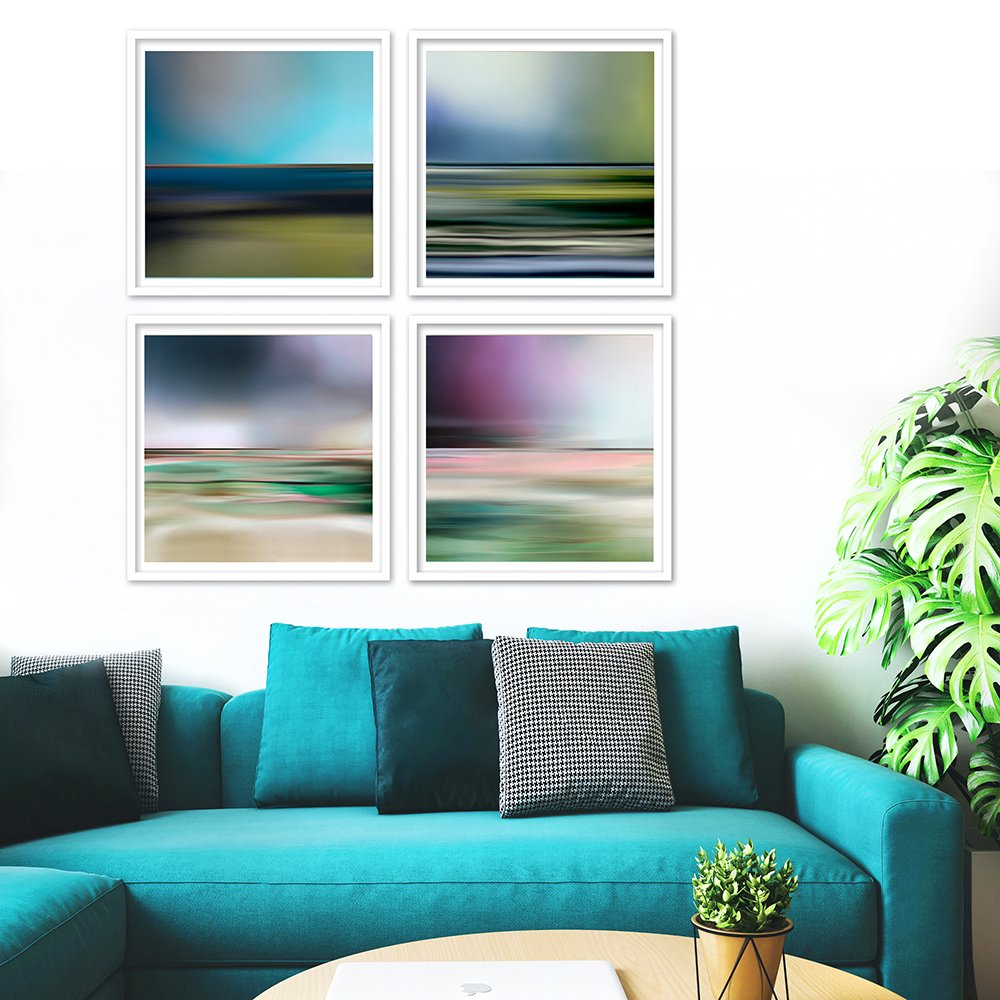
For over 15 years, Angela Cameron has worked with commercial and residential interior designers who want unique art not offered anywhere else. Her work is showcased in hotels brands, boutique hotels, corporate collections, and luxury homes worldwide.

The Angela Cameron Art Brand is synonymous with distinction and exclusivity. Artwork is created and curated for its poetic, meaningful aesthetic that makes a statement.

“I started this company seeing a need for Interior Designers to have unique, upscale art options for their projects. My work quickly gained the attention of hotel designers, and thus the story begins. I create beautiful art that I know makes a statement; that resonates with you. My mission is for everyone to have distinctive, authentic art in their space.”

THE BENEFITS

  • An exclusive art portfolio only offered by Angela Cameron

  • Each piece is offered in many sizes, including large scale sizes

  • Handcrafted, framed art and superb quality prints

  • Curated selections - Ocean Art, Forests, Abstracts

  • Made to order in 5-7 business days + ship time

  • Ships FREE from Portland, Oregon / Florida

  • New artwork is added every few weeks

HOW TO ORDER

  • Visit www.angelacameron.com to view art collections

  • Easy online ordering - Select framed art or print only

  • Artwork made to order in 5-7 business days

  • Professionally packaged to arrive in perfect condition

  • Use our trade discount DESIGNER25 at checkout to receive a 25% discount when you order

  • Contact angela@angelacameron.com

What is StyleRow? An Overview for Designers

StyleRow is a trade-only sourcing and project management platform founded by award-winning designer Erinn Valencich, which she runs with her Beverly Hills-based team. With over 16 years of industry experience, including her own design firm, Erinn conceived StyleRow as a solution to save designers valuable time. With all the functions of numerous apps and programs on a single user-friendly platform, processes and communication are streamlined and much more time is left to actually design.

FROM INSPIRATION TO PRESENTATION

Unlike many other project management tools, StyleRow assists you from the earliest stages of gathering inspiration for your project. It hosts a lively marketplace that connects designers with high-end brands and showrooms and allows you to make direct inquiries to reps, such as customization or quotes. It has all the browsing ease of Pinterest, but you can source back all of the items and save them in your digital library. If you want to include items found elsewhere on the web, you can import those products with the clipping tool and add them all to your client presentation.

ON THE SAME PAGE

This is a solution that enables you to convert product collections into sleek presentations into budgets and reports, all with just a few clicks. No need to copy and paste or create separate presentations from scratch. It’s a centralized platform for all of your communication, both with your team and with your clients. You can comment on items with your team or use the drop-down menus to update their schedule and status. Keep track of your clients’ comments and item approvals in the same place. StyleRow also features an efficient filtering system so you can instantly sort by multiple criteria or create your own custom tags.

PROJECT BUDGETING AND ACCOUNTING

StyleRow syncs to QuickBooks in order to simplify accounting. The budgeting tool lets you set a target range with alerts if you add products that take you over budget. You can also generate beautifully branded proposals. Select the details you’d like to share with your clients, such as your purchasing fee or margin, and automatically produce a custom presentation, which can be exported as a PDF with your logo.

If you’re looking for a solution to lighten the administrative workload in your design firm, you can try StyleRow with a free 14-day trial, as well as schedule a one-on-one demo with a StyleRow Concierge to get a closer look. Premium membership is good for unlimited users and unlimited projects and costs $133 per month or $1599 per year.

www.stylerow.com