
Client Processes

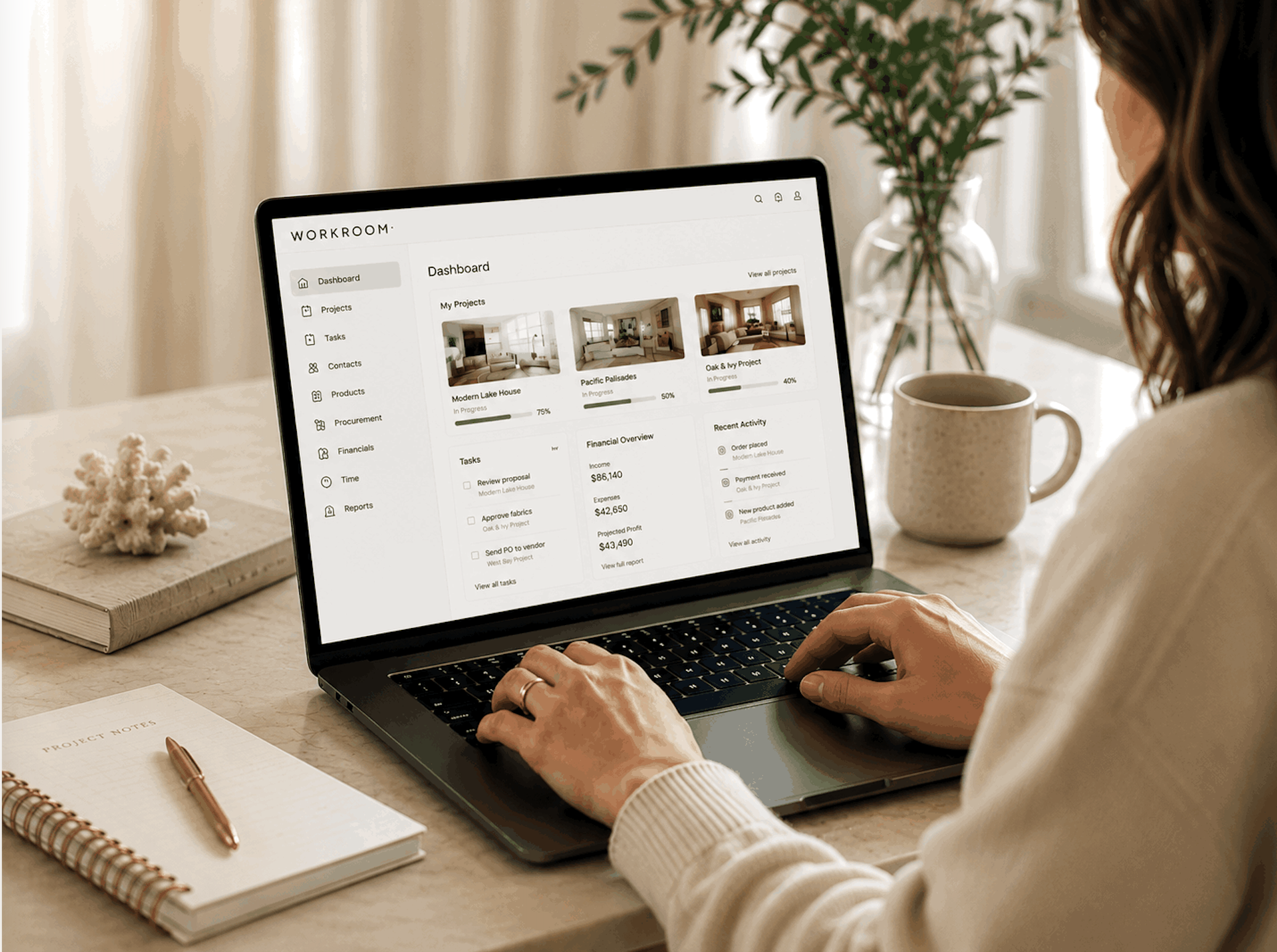
computer.JPG

It’s going to be a crazy, busy summer so let’s get organized!

I’ve heard from many of you that are getting very busy which is very exciting but can also be very overwhelming so I thought I’d give you some ideas on things you should consider to help you get and stay organized!

First of all, take some time to write down everything you need to do in the coming days, weeks and months. Then crumple up that list and throw it in the trash. I’m so sorry! I’m totally kidding. Please dig that list back out of the trash and from here on out I promise I’ll be serious. J

Block out some time and let’s get to work!

Guidelines

Do you have an operations manual? Have you written down or typed out your business process from start to finish? Creating processes help you stay organized, prevent important details from being overlooked and are very beneficial when delegating tasks.

Write down your business processes and create a manual or guideline that you can use as a reference for all clients you work with and assistants you hire. Include processes for working with clients, marketing, hiring, purchasing, bookkeeping and anything else that is a major part of your business that you feel needs a detailed guide.

I have found that interior designers organize their businesses a little bit differently. Some of them are paper, binder, folder people and others are computer, software, techy people. Do what works best for you!

Today I’m going to write more about client processes and what you should consider having in place, if you don’t already.

Create binders or folders either hard copy, on your computer or in your favorite software program for each client. Now create a To-Do list and schedule for each client. Color code each client and merge the schedule into one master calendar so you have a clearer picture of what needs to be done. But before any of this can be done perhaps you need to take a look at your client processes.

Communication:

Do you have an outline for how communication is handled with clients? Do you have email templates ready to save you time since you most often are sending some of the same emails, whether it’s a response to an inquiry or a welcome email, next steps email, update email or invoice email.

Consultations:

Do you have guidelines on how quickly you need to respond to inquiries and set up consultations? Do you have certain days/times blocked off for consultations only? Do you have a client qualifying process you go through before booking a consultation with an inquiry?

Proposals:

Once you’ve qualified a candidate, had a consultation and are ready to create a proposal, do you have proposal templates on hand? Do you use a formula for figuring out a project timeline and budget? How long do your clients have before they need to respond to your proposal?

Working with Tradespeople/Vendors:

Do you have a list of your go-to contractors, tradespeople and vendors? Do you have a process for connecting with them and lining them up for projects and/or placing orders? How do you schedule installations? Communication and follow up is key and guidelines on these processes are going to eliminate time, headaches and costly errors in the future.

Site Visits:

These processes may have changed due to COVID-19 whether it be the frequency of visits or the manner in which they are conducted. Be sure you have a clear idea of how to schedule and coordinate these as well as how many of these you need for each project. Do you block out time on certain days for site visits?

Reveal Day:

Do you have a checklist and processes for the completion of the entire project? Do you also do styling or take photographs? How do you then present your client with the final invoice?

Running an interior design business is no easy feat! There are multiple moving pieces and a lot of things to coordinate, order, install and consider when working on one project let alone several at one time. Writing down every process and procedure may seem like an overwhelming task but spending a little time now will save you loads of time, money and headaches in the future.

Hopefully, this has given you some things to consider! If you are really struggling with your processes I do know there are courses on this very subject that you can take to really help you get your entire business organized and running in a more efficient manner! Or, I know people who hire an assistant to help get their processes in order as well.

Have a great weekend! Danae

Are You Ready to Hire a Virtual Design Assistant?

Kitchen Render Ashley B.png

I have heard from more and more designers that things are opening back up and things are getting busier than ever! Now that you’ve had several weeks to review how you were running your business and how you chose to run your business moving forward, are you ready for a virtual design assistant?

Have you decided that moving forward you are going to hire virtual assistants instead of in-house employees? Are you looking to work with professionals who offer an as-needed contract instead of a set number of hours per week? Are you looking to work with a professional who has experience, understanding of the interior design industry and would make a great long-term partner in your success?

Virtual design assistants are a great resource for any interior designer looking for help. They are able to provide a variety of services such as 3d renders, CAD drawings, presentations boards, sourcing, social media marketing, administrative tasks, content creation, graphic design and a whole lot more! Imagine working with someone who is available when you need them and you only pay for the hours they are actually working.

Imagine being able to offer new services that maybe you currently are not offering such as 3d renders or e-design services. A virtual design assistant can help you get 3d render and e-design services set up for your business and provide the service for you! When working with a virtual design assistant through Elite Design Assistants for the e-design services we offer a client onboarding guide created specifically for you in your branding, we offer the client questionnaire, the package offerings that you mark up to fit your pricing, the installation instructions, shopping list, 3d renders, concept boards, floor plans, etc. It’s virtually a turnkey service, one you can start offering even if you’ve never offered e-design services in the past.

So how do you get started? Either reply to this email or go to my website at https://www.elitedesignassistants.com/scheduleyourcall and schedule a time to chat. Once I get a clear picture of the exact type of virtual design assistant you need, I match you with an assistant that you can visit with to make sure it’s a great fit. All of the virtual design assistants have interior design education, years of experience and are matched based on their strengths and passions.

If a virtual design assistant is an option for you, I hope you reach out! Whether you use my service or not, I’m happy to help.

Have an amazing day!

Danae


COVID Considerations for Interior Designers

During & Post COVID Work Considerations

As states are starting to open up and interior designers are resuming somewhat normal activities, depending on where you live, there are a few things to think about when getting back out into society.

Safety recommendations – Be sure to research the safety recommendations in your state. I’ve noticed a wide variety of recommendations just to get a haircut or eat at a restaurant so be sure to research what your state is recommending when it comes to in-person meetings, in-home visits, site visits, shopping, etc.

Be respectful – The mask/no mask debate is happening everywhere but it’s important to be considerate of your clients. I know many business owners who don’t wear masks unless their customers/clients are wearing a mask. As a sign of respect they, will to, wear a mask. Ask your clients their preference if you aren’t typically a mask wearer and feel free to let your clients know your preference if you are.

Liability insurance – Have you checked with your insurance  provider to see what kind of coverage there is if any in the event that you, your client or contractors contract COVID during your working relationship? Again, all insurance coverages are different so call your provider.

Legal Waiver – The legal waiver is going to be something we could be seeing a lot of moving forward. Whether it’s from a school, sporting event, business or contractor (again, depending on where you live) organizations and businesses are going to want people to understand the risks involved in attending an event or working together and are going to want people to waive liability in the event they contract COVID. Ask your attorney if you should consider a legal waiver.

Contracting – Do you have a force majeure clause? Now that we all know what a force majeure event looks like it’s worth looking into. What happens when you can’t complete a job due to factors out of your control? Do you have a refund policy? Or is there a policy in place where the work will resume when safe? These are definitely some things to discuss with your attorney.

The interesting thing about the pandemic is that every state has slightly different policies for things. As I’m seeing some states are still shut down, others are proceeding with softball and baseballs seasons, restaurants are open for inside dining, malls are open, events are happening and people are gathering in larger crowds.

The best thing to do is research your state, the safety recommendations and policies and come up with a plan that best suites you and your clients for today and in the future. And for extra measure, consult with your attorney. It’s always better to be safe, than sorry.

I hope you have a beautiful day!

Danae


Interior Design Legal Contracts

contract.jpg

What should you include in your interior design contract? When it comes to contracts you should consult an attorney but before you do, what are other interior designers saying you should consider when drawing up your contracts?

Knowing exactly what to include in your interior design contract can be overwhelming. Especially when something comes up that’s not covered. I am NOT a lawyer and I am NOT giving legal advice here but when several interior designers were asked what they would include in their interior design contract, these were some of the answers that they came up with. Of course, all of these may not pertain to you, this list is just to give you some things to think about. When dealing with contracting I suggest you consult with your attorney or purchase legal contracts from a reputable provider. There are a few below that other interior designers have recommended.

What other interior designers say you should consider including in your contract.

1.       If you do not want to hire contractors by being the general on a project, add verbiage that specifies that the client hires all contractors and is responsible for paying those contractors.

2.       Add a disclaimer that you are not responsible for the quality of items purchased.

3.       Include fees for late payments.

4.       Be sure to include a termination clause where all payment for work already completed and any items ordered will be due in full at time of termination.

5.       If you want to use the photographs of finished work in your marketing, make sure you have a ‘reserve the right to take photos and use those images in your marketing’ clause.

6.       Make sure your fee/payment schedule is clear. Do you require up front payment of any sort, do you bill monthly, do you bill for estimated shipping charges and then reconcile charges at time of delivery? Include everything possible.

7.       Trade sources – This maybe isn’t included in your contract, again consult an attorney, but be careful of sharing your trade resources. There have been instances of clients going directly to the vendors in search of a better deal.

8.       Permissions/social media – Be clear in your contract as to who is the legal owner of the design work. I’m guessing you want that to be you. If your clients are sharing the design on social media do you want to be tagged in the photo as the interior designer? Be sure to put this in your contract.

9.       Confidentiality clause – depending on your clientele they may not want you to share the designs you created for them on social media. This is something to consider when looking at your clientele. If you work with high profile clients, I’m guessing they will request a confidentiality clause that will pertain to the design, social media and any information related to them as people and/or professionals and their design.

Besides the obvious standard lingo on specifications of work, drawings, etc., what the internet says you should consider when creating a contract.

1.       Consultants and contractors – (similar to above) Some interior designers will oversee the work of contractors and hire their own – others will have the client hire and pay contractors. Be clear about how you run your business in your contract.

2.       Prices guarantees – Be sure to include a clause that does not guarantee the price of goods or other services if you are hiring contractors. Pricing changes can be out of your control and if you quote a client a price today and they decide two weeks from now to purchase that item, the price may have changed. Protect yourself!

3.       Purchasing and Procurement – If you want paid up front for the purchase of goods then put that in the contract and be sure to collect payment at time of order.

4.       Refunds – Be sure to include a clause that states whether or not your goods and services are non-refundable. If you are dealing with custom pieces, they should be non-refundable.

5.       Cancellations – Like above be sure to have a cancellation clause that states how the payment works upon cancelation/termination.

6.       Reimbursable costs – Be sure to outline what reimbursable charges are such as shipping charges, rendering services, travel, storage, etc.

7.       Payment terms – when is payment due and how often?

8.       Insurance – Be sure to have business insurance to cover your business, liability, commercial auto and possibly even worker’s comp. But also consider in the contracting what the client should have insurance on in regard to their home and goods. Seems silly but who is responsible for all furnishings and materials during delivery, moving and installation?

9.       Photography of completed works – like mentioned above, make sure you make it clear you want photos of the finished product, include that you will not mention the clients name or address in your marketing if they are concerned about privacy.

Other things to consider:

·         Revision limitations – you certainly don’t want unlimited revisions, or you may never get a job completed.

·         Fees for interior design work delays – if your client is holding up the project for some reason what are the fees for their delays.

·         Damages - who is responsible for damaged goods, finishes, etc.

·         Expiration of agreement - does your agreement with your client expire at some point?

·         Safety on site - are you and the clients required to follow safety measures while on site visits?

·         Ownership of designs – if you own the design make that clear in your contracting so others aren’t able to profit from your designs.

·         Indemnity - holding each other harmless.

·         Site visit and limitations –set a limit of site visits or you may be called to the site frequently by the client for little to no reason at all.

Last but not least, do you need a COVID clause? It’s actually called a force maejure clause and it frees both parties from liability or obligation in times of an extraordinary event or circumstance beyond the control of the parties such as war, crime, strike, riot, epidemic, or an event described described as the legal term act of God preventing one or both parties from fulfilling their legal obligations under the contract. Most of the time in these cases it’s not excusing the non-performance entirely but only suspending it for the duration of the force majeure event.

I know I’ve given you a lot to think about but hopefully some of this will prevent you from experiencing significant headaches and nightmares in the future! Consult your attorney or the one I suggest below and make sure you are covered!

There are several great resources for interior design contracts out there. A few that I’ve seen other interior designers recommend are Nancy Ganzekaufer at www.nancyganzekaufer.com or Capella Kincheloe at https://www.capellakincheloe.com.

Or if you want to work with an attorney to draw up your own contracting I recommend Keren de Zwart with Not Your Father’s Lawyer at https://www.notyourfatherslawyer.com.

At the end of the day you need to be sure that your contract protects you from a variety of situations that can come up as an interior designer dealing with clients. The more you have outlined in the contract the better off you’ll be.

Get your thoughts in order and consult an attorney, it will save you time and headaches in the future!

Stay safe!

XX, Danae


Interior Designers & Copyright

copyright.JPG

As an interior designer there are several things to consider when it comes to your designs and creations. Copyright infringement is becoming a huge problem in the interior design industry so make sure you are aware of what your rights are as an interior designer as well as the rights of others. I’ve been working with Keren de Zwart with Not Your Father’s Lawyer to bring you some helpful tips!

Social media:

The legal truth is – if you didn’t create it, you need permission to share it! That goes for social media content, testimonials on your website, and third-party content you might incorporate into your products and services. Anything that isn’t your original work* belongs to someone else. Make sure you have permission to use it.

I realize that on social media people share other people’s work all the time and if a big name person share’s your work, recognizes you for it and is going to get you more exposure than more than likely you might be okay with that. But what happens when someone shares your work without your permission to a group or following that you prefer not to be associated with? You can email them and ask them to remove that content as it does not belong to them. The same can happen to you. Just because you admire Amy All Star Designer’s work doesn’t mean she wants you sharing it with your followers.

What happens when someone is sharing your work without recognizing you as the interior designer? Again, reach out to them and ask them to either remove the post or add you as the original designer.

Permissions:

Make sure you have consent and terms of service on your website, blog and in your contracting. Do you give permission to others to share your work with your watermark and/or authorship being recognized?

Be sure to include a release in your contracting with your clients if you intend on sharing photos, designs, etc. It’s happened a time or two where a client will claim ownership over designs and photos because they are paying for the service and they try to take credit for the design on social media. Make sure your contract is clear on what belongs to you and how your client can share it!

*If you are an employee or independent contractor for a design firm, do you know who owns the rights to your work? For example, if you are a designer for Havenly be sure to look into your contracting to see how and if you can share the designs you created. Are your designs owned by Havenly? Can you share your designs on social media and if you can must you include that you are a designer with Havenly? The same holds true for any design firm you work with!

The more you know about copyright law the easier it is to legally share on social media and to be aware of how other people should legally be sharing your work, too. When it doubt … ask permission!

Is there anything else you’d like to know? Please let me know if you have any questions!

Have a great day! Danae

IP Law for Interior Designers Part 3: Social Media Influencing

Social media is huge and it’s becoming a major hot topic in the interior design industry. Keren de Zwart, founder of Not Your Fathers Lawyer, wrote an article specifically pertaining to sponsorships and social media and here is what she has to say.

Whether you’re the business owner pitching the product or service or the influencer getting paid to promote it, the rules around sponsored posts and advertisements on social media are getting tighter, so be sure you’re in the know and in compliance to avoid fines and penalties with this guide to social media sponsorship rules.

What’s All the Fuss About?

If you’ve been playing the sponsorship field for a while, you might have heard about how the Federal Trade Commission (FTC) cracked down in recent years and sent notices to some really big names (cough::Kardashians::cough) telling them to be more transparent about their sponsored posts or risk fines and other scary penalties.

But why are they making a big deal about it and why now? Well, in short, consumer protection. The whole purpose behind the FTC is to ensure transparency in commerce and to protect consumers. They’re regulating everything from the National Do Not Call List to approving mergers of major corporations and ensuring they’re not violating antitrust rules.

While you–as a business using social media to promote your product or service or as an influencer using your following and relationships to share great finds with the world and get paid for it–may understand how the world of sponsorship deals works, the reality is that most consumers out there don’t really get it. If they follow influencers, it’s because they enjoy the content and like learning about new products, trends, restaurants, etc. That’s what makes influencers such incredible marketing tools.

But in today’s world, with influencers having tens of thousands or even millions of loyal followers who will purchase anything and everything the influencer hawks, the FTC wants to make sure consumers have all the information before they hit the “buy now” link.

What are the Rules?

The rules are being formed as the industry unfolds, so what holds true today might not hold true 6 months or a few years from now. It’s important to keep up on the rules to ensure you’re compliant.

BE UP FRONT

The key here is that the FTC doesn’t like anything that makes it hard for the consumer to understand the relationship. Your yoga mat might really, truthfully be the best yoga mat to ever hit the market, and the influencer paid to promote it might actually think that. But that doesn’t mean they can skip the part where they share with their followers that they got it for free or are being paid to promote it. If there’s a connection between you and the promoter (payment, free product/service, ownership in company, affiliate links) it needs to be disclosed.

SPELL IT OUT CLEARLY

Don’t use vague terms like #collab #thanks #sp. It has to say exactly what it is. Cater to the lowest common denominator. Generally acceptable versions: #ad #sponsored #sponsoredpost #paidcollaboration.

PUT THE DISCLOSURE WHERE CONSUMERS CAN FIND IT

So you have a sponsored post that looks fab, meets all the Instagram algorithm checkboxes with lots of quality content in the form of a 3-paragraph swoonfest of your product, and the influencer adds the hashtag #ad as one of his or her 30 hashtags? Good deal, right? Wrong! Don’t bury that disclosure in the list of 30 hashtags. It needs to be up front, separated from the sea of hashtags. And something that people get wrong all the time is that the disclosure has to be before the ellipses that a user has to click on to see the rest of the content. That means when users are just scrolling through their feed, they can see within those first two lines that it’s sponsored content.

If you are working on a sponsored post for Instagram stories or Snapchat and there isn’t a place to add content, it should be included directly on the story.

Who is Responsible?

It is both the business’s and the influencer’s job to comply with the rules. Both can be fined for failure to comply. So how do you ensure the legal action by the other party? Get it in writing. Have an agreement written and ensure that there is a list of acceptable and prohibited actions and/or omissions in the posts.

But Nobody Else is Following the Rules!

Forgive me for sounding like a parent–I do parent two little ones on a daily basis after all–but if all your friends were jumping off a cliff would you follow? Here’s a few great reminders for you:

Ignorance of the law is not a defense. “But I didn’t know!” is not a defense to breaking the law and violating rules. It’s your job to stay abreast of these things.

Everyone is doing it. This might be true. I regularly see very, very popular influencers on social media getting it wrong–sometimes in small ways like putting #ad at the very end of a 5-paragraph review of their latest hotel stay–but that doesn’t mean you can’t get in trouble for it. Can you tell the officer that pulled you over for speeding that you shouldn’t get a ticket because there were dozens of other cars speeding on the road? Nope. You can only be responsible for your actions and those with whom you contract to promote your business.

Want to make sure you’re getting it right? Feel free to contact Keren today so you can put together your custom influencer or sponsorship agreement and grow your business without worry that you’re violating any rules. For more information about Keren de Zwart please check out her website at www.notyourfatherslawyer.com.

Stay tuned for more information regarding copyright and social media in the coming weeks!

Stay safe!

XX, Danae

IP Law for Interior Designers Part 2: Trademarks When, Why & How

Last week I shared the trademark basics in Part 1 and today I’m sharing more information on when, why and how you get a trademark for your business. Keren de Zwart of Not Your Father’s Lawyer wrote this post.

An important part of building your business is building your brand. You want your customers and clients to know your business, your culture, and of course, your products and services. Trademark law can help protect your brand as you grow your business, and allows you to keep copycats from confusing your customers.

But how do you actually go about protecting your trademark? And what do you do once you have a registered trademark?

Protection without a Registered Mark

In the United States, even if you don’t officially have a mark registered with the United States Patent & Trademark Office (USPTO), you still have some protections if you are using your mark in commerce. Known as “common law” trademarks, they’re protected under state law principles of unfair competition–i.e. someone else can’t benefit from the goodwill you’ve built by passing the product off as their own. But don’t rely on common law trademark protection. It is very limited both in geography and brand protection.

Difference Between Your Logo and Your Word Mark

A common misconception is that if you trademark your name, you’ve trademarked your logo and vice versa. In the world of trademarks, those are two different things. When you registered the name, it’s a standard character mark. Your protection is the word(s), not the specific logo. When you trademark the logo, you’re not trademarking the words, just the design–the font, characters, styling.

So shouldn’t you register both? Well, that sometimes depends on what you can afford at the time. Since each piece is different, you have to pay for registration twice. And if you’re registering a trademark in multiple classifications, that can get expensive really quickly.

If you have to choose, go with the standard character mark of the name. Why? Put simply, it offers you more protection. You can change your logo and the name is still trademarked. Someone with a different logo but same name can still be infringing on your intellectual property protection.

Using the Correct Symbols

One last thing. Did you know there are different symbols for different aspects of trademark law?

A ™ symbol (or SM for service marks) is used to notify the public that a term, slogan, or logo is being claimed as a trademark under common law rules, but note that using the ™ or SM symbols does not guarantee protection under trademark law. To succeed in a common law infringement action, the owner must prove both that 1) the owner was the first to use the trademark; and 2) the use of the same/similar mark by the other party confuses the public from distinguishing the source of the goods/services.

After your mark is officially registered with the USPTO, it’s important to use the ® symbol to notify consumers and any trademark applicants that the mark is registered with the USPTO. Do not use this before you have a certificate of registration with the USPTO. It is illegal to use the ® on anything that is not officially registered with the USPTO. That not only means using it when you haven’t even applied, but also not using it until and unless the USPTO send you a certificate of registration.

Ready to Protect Your Trademarks?

If you want to take the next step in protecting your trademark, Keren de Zwart, founder of Not Your Father’s Lawyer, can take you through the entire process, from research and assessing the registrability of the mark, to applying for a trademark, responding to office actions, and taking the process all the way through to a registered trademark for one, flat-fee price. For more information on Keren, please check out her website at www.notyourfatherslawyer.com.

Over the next few weeks I’ll be sharing information about copyright law and social media. Stay tuned for more interesting info. And of course, if you have other intellectual property law topics pertaining to interior design that you’d like us to share, please let me know!

Stay safe!

XX, Danae

IP Law for Interior Designers Part 1: Do You Need A Trademark?

Intellectual Property law, specifically for interior designers, has become a point of interest to me lately. I see a lot of discussions and questions being asked in design groups regarding trademarks and copyrights so I decided to create a series of posts on the topic. I’ve consulted with Keren de Zwart, the founder of Not Your Fathers Laywer, in California and she has some great information for us. Today I’m beginning with trademark basics. I hope you enjoy! The post below was written by Keren de Zwart.

A trademark is a word, phrase, symbol or design, or a combination thereof, that identifies and distinguishes the source of a product. A service mark is the same as a trademark, but it identifies and distinguishes services. Registering a trademark with the United States Patent and Trademark Office (USPTO) can be an important step in protecting your company’s goods or services. It prevents others from using the same or similar trademark in connection with the same or similar goods or services, provides you with the right to bring legal action for infringement, allows you to register your trademark internationally through the Madrid Protocol, and offers many other benefits. Understanding trademark law is essential to protecting your business.

Protecting your Small Business Brand

Small businesses can benefit from registering their trademarks early in their company’s history to create an identifiable brand as they expand their business. Having a registered trademark creates a distinguishing feature for your brand that is legally protected in the event a competitor tries to use the same or similar mark to confuse customers and potentially divert your business. Building a brand around a registered trademark is important because if you find out months or years down the line that you are infringing on someone else’s trademark or you are unable to register your trademark, this could result in a costly re-brand for your business.

What do I need to know about filing a trademark?

Just starting out with a business plan? Create a concrete idea for your trademark and determine whether you want to register the word (for example, “Nike”) or a logo or design as well (like the Nike swoosh). If your company is in its infancy and you haven’t settled on a definitive logo for your brand, it is still important to register your company name and any products or services you have named. You can trademark the logo separately at a later date. Even if you have not yet used the trademark in commerce, but you have a bona fide intention of doing so, you may file an “Intent to Use” application to ensure your product or service is protected when it does come to market.

One basic, but important, principle of trademark law is that generic terms cannot be trademarked. A trademark is an “identifier of source,” and if a term is too generic to associate with a particular company, it will not be subject to trademark protection.

What if my business, product, or service already exists?

If your company has been in business and has not filed for trademark protection, it is not too late to register your trademark. Registering with the USPTO will provide protection for your goods or services going forward. Furthermore, beyond just a company name and/or logo, every time you name a new product and take it to market, you run the risk of infringing on an existing trademark if you have not confirmed that the same or similar mark is not registered with the USPTO already.

What about my website?

Your domain name on the Internet can be subject to trademark infringement claims. For example, just because a website such as www.microsoftstuff.com is available does not mean you can sell computer products from that site without infringing on Microsoft’s trademarks. However, as the owner of a website, you can create extra protection for your brand by trademarking your domain name.

Think your business is too small to deal with trademark protection? Think again. The best way to protect your business is to register trademarks for your products or services as you create them and to be sure you have your attorney research existing trademarks before you commit to taking a company name, product, or service to market. A trademark infringement lawsuit can be very costly in terms of both monetary liability to the owner of the trademark as well as costs associated with re-branding your product or service if you are found to be infringing on someone else’s trademark.

If you are interested in learning more about Keren de Zwart her website is www.notyourfatherslawyer.com.

Next week I’ll continue with more information on trademarks and in future weeks I’ll have posts regarding sponsored social media posts along with how to properly share another persons work on your social media and what to do when someone else shares your work. If there are other things regarding intellectual property law for interior designers that you are interested in learning more about, please let me know!

Stay safe!

XX, Danae

How to Create an Engaging IGTV Channel

instagram laptop image.JPG

We keep hearing that video is where it’s at and I intend on doing video for my business but I just haven’t gotten there yet. In the meantime, I’ve been doing research and wanted to share with you what I learned about creating your own channel on Instagram.

Posting videos on Instagram is a great way to build engagement, collaborate with influencers and improve your Instagram marketing strategy.

If you aren’t familiar with IGTV it’s a long-form video channel accessible from Instagram. The feature was launched in 2018 and it gives brands the opportunity to make videos longer than typical Stories posts.

So, whether your video is 10 minutes or 1 hour long, IGTV is a great platform to share them. You can even create a series of videos to be released on a consistent basis weather it’s weekly, monthly, etc.

All you have to do is upload your video to your Instagram account. Are you interested in creating videos but are stuck on what content to provide?

1.       You can create tutorials on DIY projects, how to style a piece of furniture or entire room, how to measure a room, any how-to is great. Think about what your clients are always asking you … what size of rug to get, how to hang artwork, how to hang window treatments, etc. Any of these would make a great video.

2.       Take your clients and target market behind the scenes. Video ongoing projects, shopping trips to choose and purchase materials, job site visits, etc.

3.       Host a Q & A session. Similar to the how-to videos, host a video series were you just answer the most popular questions from your followers.

4.       Host a talk show and interview industry leaders and industry partners. Depending on your location and COVID restrictions, this one may be a bit more difficult during this time unless you do a virtual talk show with your guests.

Once you have your videos created and posted to your Instagram or IGTV account be sure to cross promote them. Add your video link to your Twitter, Facebook and e-mail newsletter.

Make sure your video has a hook. People scroll very quickly through their feeds and you want to grab their attention. In your video, be sure to answer the following questions:

1.       What is this video about?

2.       Why should you keep watching?

3.       Optional: Who is this video for?

4.       Optional: How long will it be?

Also, use relevant hashtags in your description. Use your brand colors and make sure your video is longer than what should be in an Instagram story.

For way more detailed information on How to Create an Engaging IGTV channel, please visit https://blog.hootsuite.com/instagram-tv/

Stay safe & healthy!

XX, Danae


10 Tips to Attracting More Clients

wine-cellar-1329061_960_720.jpg

Our world is changing and as we work from home, we are trying to figure out new ways to navigate business. People still want to live in beautiful spaces, they still want to purchase new items for their homes and they still want to live their best lives. It’s times like these that force us to pivot and create new innovative ways to continue to push our business forward. Below are some ways I’ve seen other interior designers continue to stay in front of clients and continue to offer services that will keep their businesses thriving in our current climate.

1.       Nurture that email list! Spend some quality time creating some really heartfelt and genuine emails to send to your contact list. Create emails that let your subscribers know that you understand what they are going through, you are here for them if they need anything and outline the ways you can still help them. Start an email series right now that will help them during these times.

2.       Offer virtual consultations. Let clients know how they can still work with you during these times. You may be surprised how many people just need a consultation right now. They are spending more time in their homes than ever and they are sick of looking at it. It’s time for a refresh!

3.       Create shoppable concept boards and renders. Share your favorite products and make money using affiliate links. People who shop your style may be more inclined to work with you.

4.       Share your portfolio. Start inspiring people with your work and share what makes you happy about what you share.

5.       Update and share. Now is the time to get caught up on housekeeping issues like updating your portfolio, creating content, organizing your processes and share what you’ve learned. People connect to you and your story … use this time to share your story and how you are growing and changing during quarantine. What silver linings have you found in this pandemic?

6.       Share your e-design services. Share how people can work with you during this time, outline this process and make sure your target market is aware that you are still working with others. Perhaps you have a remote only service and perhaps you have a remote hybrid service. However you are working with clients at this time, share it!

7.       Create interest. Write a blog post about why now is a great time to update your home, or how interior design can affect your mood or about the psychology of color. Write intriguing posts relevant to the times to get people interested in your brand.

8.       Continue to educate yourself. Now is a great time to start listening to an interior design podcast or to get continuing education through interior design platforms. Many of them are offering free video conferences and webinars at this time. Use what you learn to attract more clients.

9.       Create videos. People have time to watch stuff now so create some fun videos about refreshing a space, your process, choosing the right rug or something else that you know your target market will love.

10.   Be real. You will attract the clients you are looking for just by being yourself. Stick with a positive message, share a sneak peek into your quarantine life and use humor if that’s your thing. Sometimes we are afraid to be ourselves but it’s only when we are ourselves do we find growth.

Our world will forever be changed so we have to adapt and grow. We will be stronger and our industry will thrive.

Stay safe & well!

XX, Danae